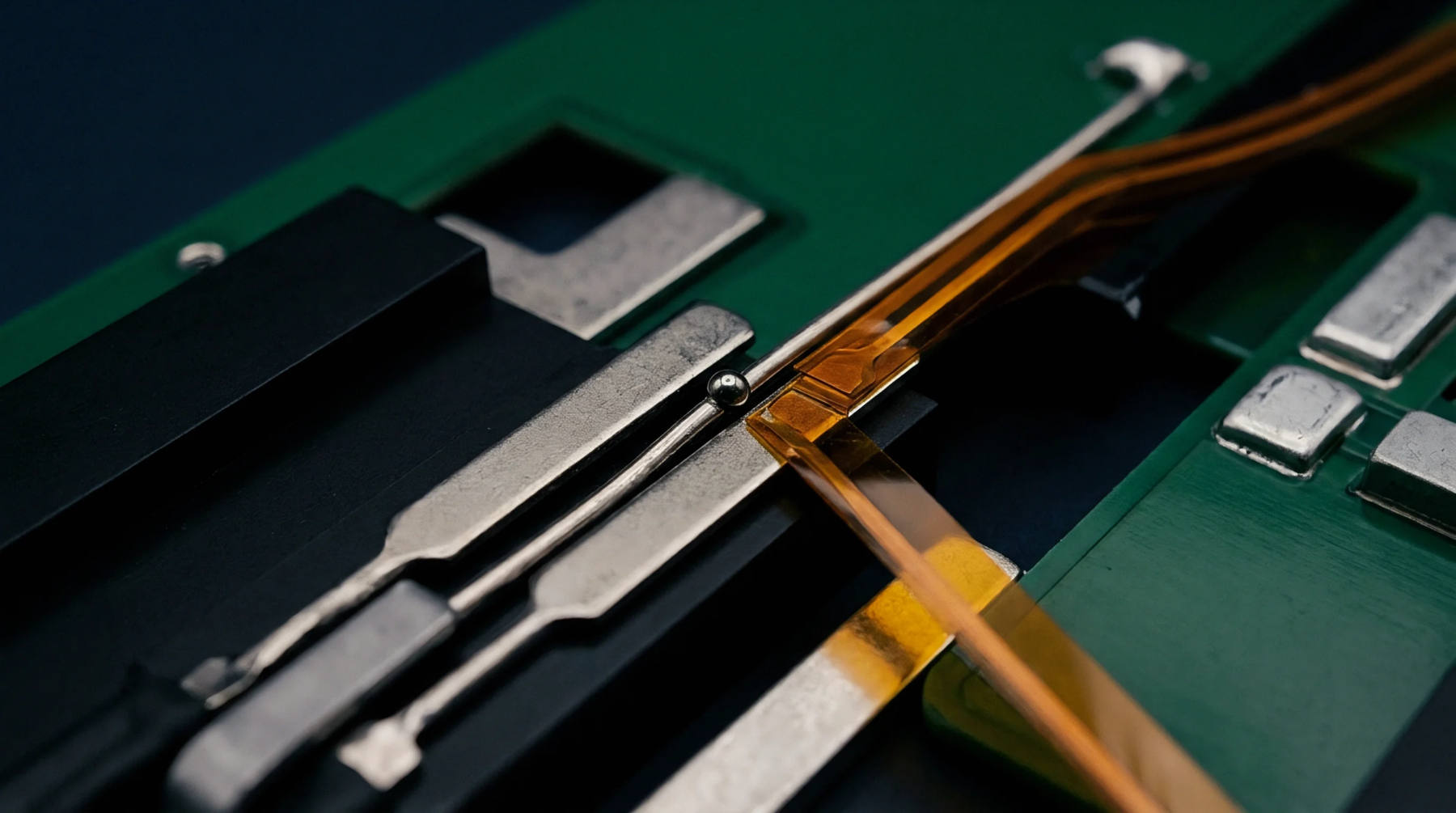
Protective Coating
Material layers prevent the chemical reaction between a substrate and oxygen at high temperatures.
Permeability Control
Density and microstructure determine how effectively a film stops gas transport. A high quality oxidation barrier must be free of interconnected porosity and microcracks that would provide a direct path for gas molecules. The thickness of the layer is balanced between providing enough material for a long service life and minimizing the risk of mechanical failure due to thermal expansion.
Oxygen flux through the barrier is measured in terms of the parabolic rate constant, which decreases as the oxide thickness increases.
Chemical Resistance
Inertness at the interface ensures that the coating does not react with the part it is meant to protect. An oxidation barrier remains effective only as long as it stays chemically stable in the operating environment. Some barriers are self healing, where a small amount of oxidation at a crack site forms a new oxide that plugs the gap.
Environmental Threshold
Operating limits are defined by the temperature at which the coating begins to volatilize or lose its structural integrity. An oxidation barrier designed for 1200 degrees Celsius may fail rapidly if exposed to steam or corrosive salts.