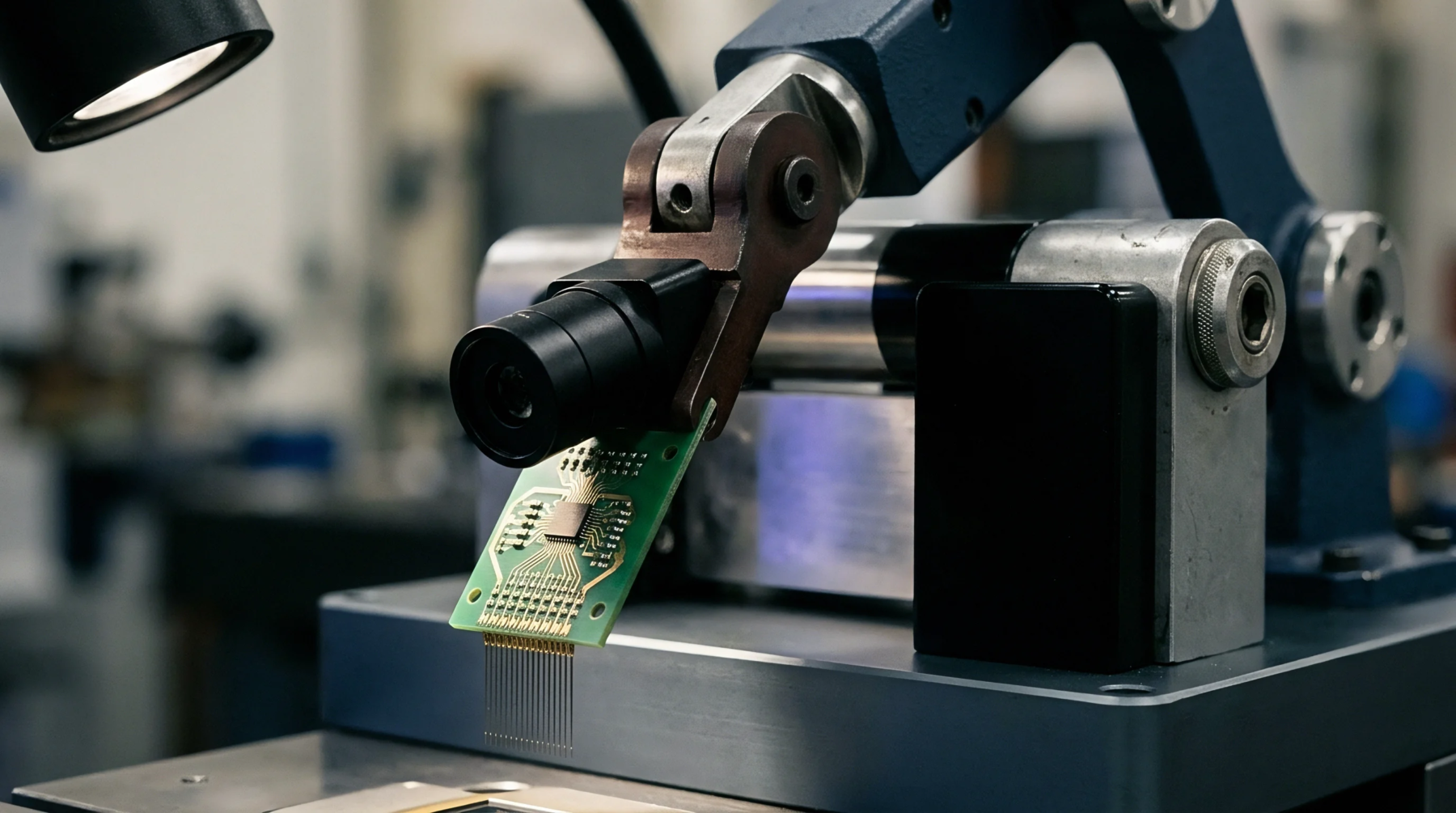
High Temperature Bond
Solid state diffusion joints formed from micron or nano scale particles provide a high thermal conductivity path for power semiconductor packaging. The sintered silver interconnect creates a metallic bridge between a die and a substrate at temperatures well below the melting point of bulk silver. This technology replaces traditional solder in high power applications where thermal fatigue and operating temperatures exceed the limits of lead free alloys.
Thermal Performance
Conductivity of the silver layer is much higher than that of standard tin based solders. This allows heat to move quickly away from the silicon junction. Improved heat dissipation increases the reliability of the module.
Processing Condition
Formation of the bond requires the application of heat and often pressure to drive the coalescence of the silver particles. The sintering temperature typically ranges from 200 to 250 degrees Celsius, which is compatible with most electronic components. Pressure assisted sintering achieves a higher density and stronger mechanical bond than pressureless methods.
The organic binders in the silver paste evaporate during the heating cycle, which leaves behind a porous but stable metallic structure. This porous nature can help to absorb some of the mechanical stress caused by thermal expansion mismatches between the die and the substrate.
Reliability Benefit
Stability at high temperatures prevents the joint from softening or creeping during operation. Unlike solder, the silver interconnect does not suffer from the formation of brittle intermetallic compounds that can lead to crack propagation. The resulting bond maintains its integrity through thousands of thermal cycles in harsh environments.