
Host Driver Register Recovery Strategies for Unannounced Silicon Stepping Errata
Host driver register recovery isolates unannounced silicon stepping errata through dynamic register probing, shadow map allocation, and bus clearing cycles.
Host driver register recovery isolates unannounced silicon stepping errata through dynamic register probing, shadow map allocation, and bus clearing cycles.

Board flexure and reflow strain pass straight into surface mount piezoresistive die; routing slits, soft die attach, and glass pedestals isolate zero drift.
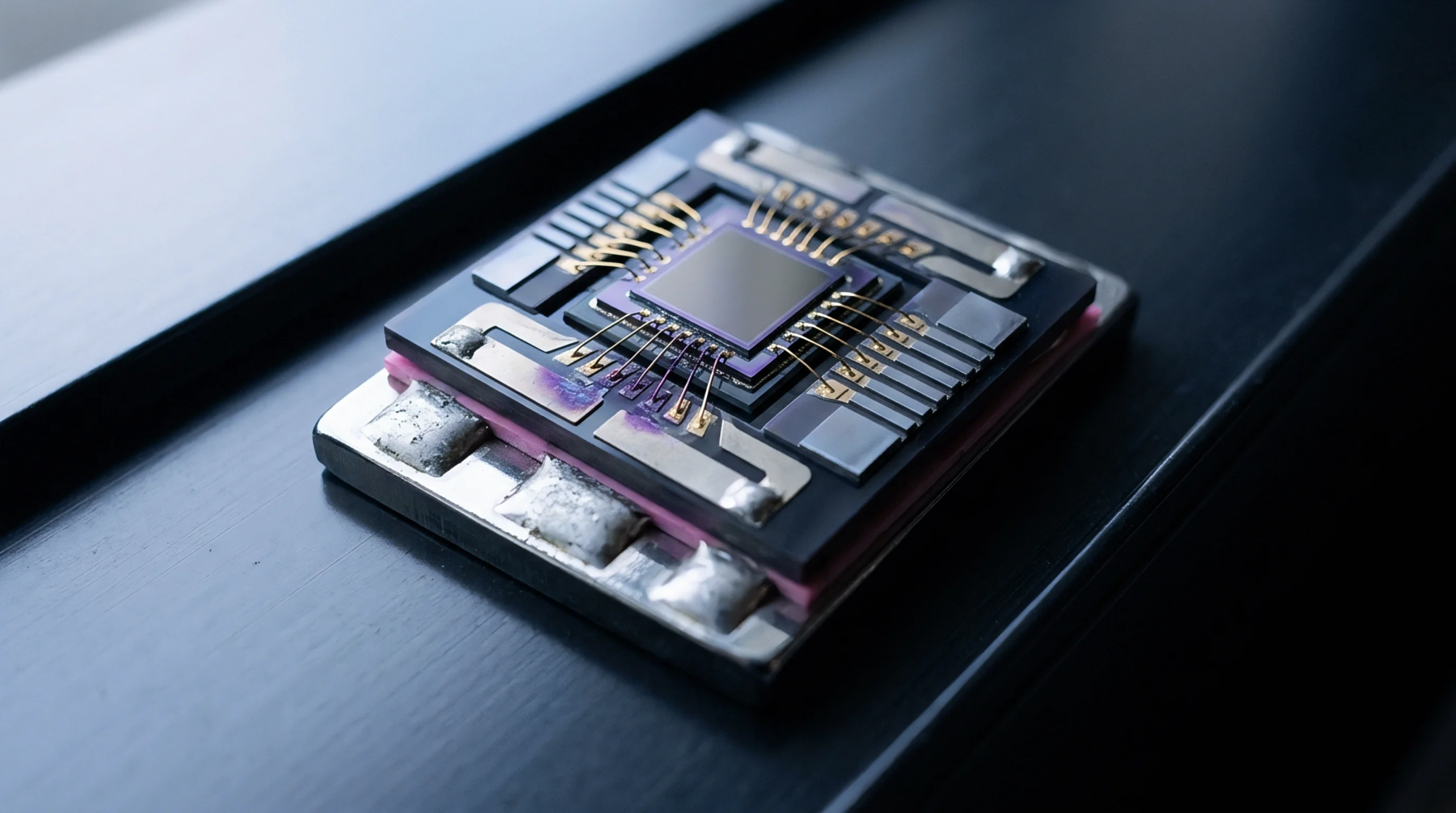
Sensor package selection fixes mechanical strain, driver stability, and break-even volumes before procurement issues purchase orders for alternative parts.

Transient logic heating shifts substrate temperatures, degrading analog front ends without spatial floorplan isolation and matched carrier selection.

Unannounced silicon steppings alter register maps and bus timing within catalog limits, driving massive firmware rework unless gated by contract terms.
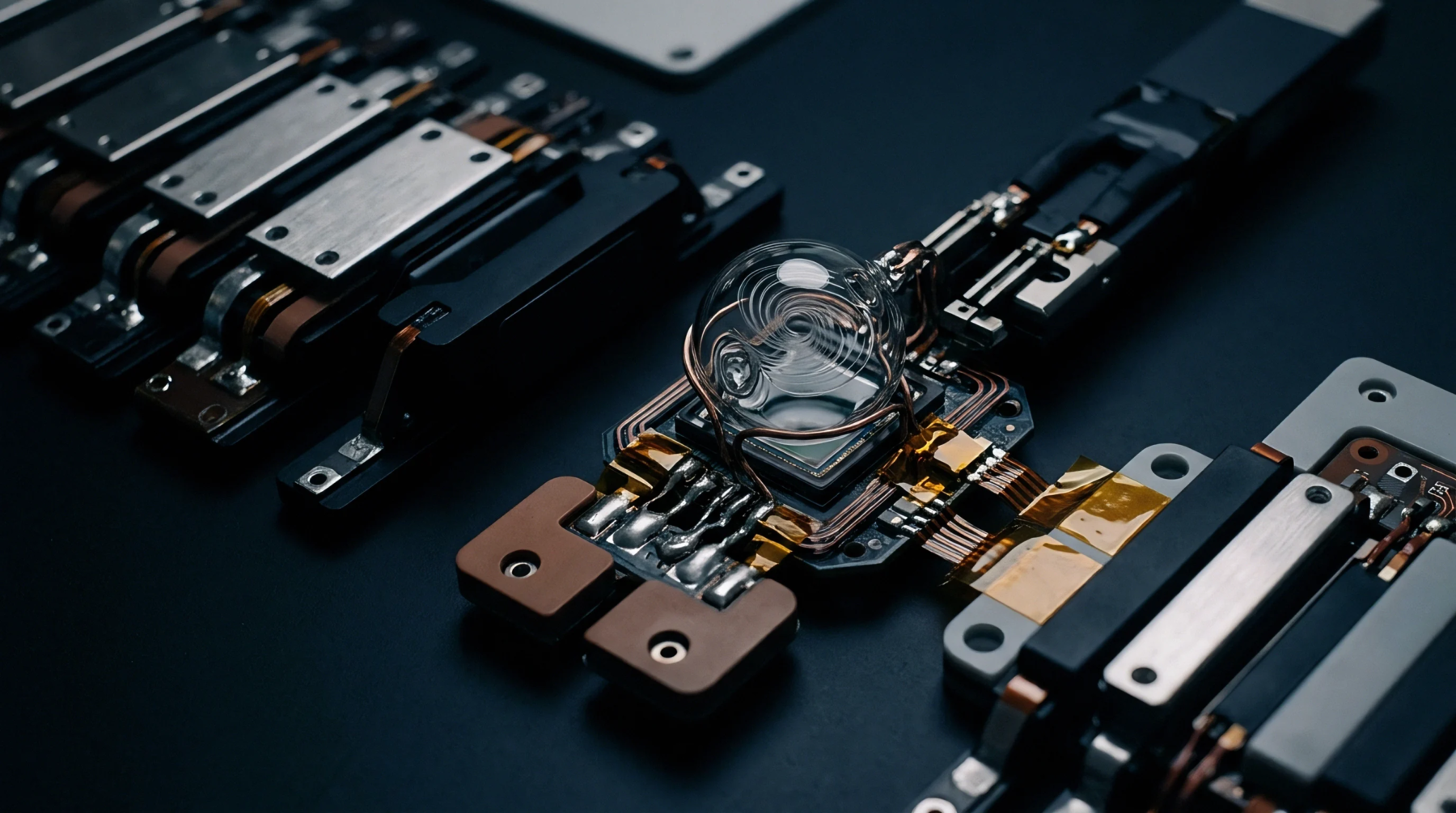
Dynamic address assignment eliminates external multiplexers in dense sensor arrays, trading minor firmware development time for reduced PCB routing and lower bill-of-materials costs.
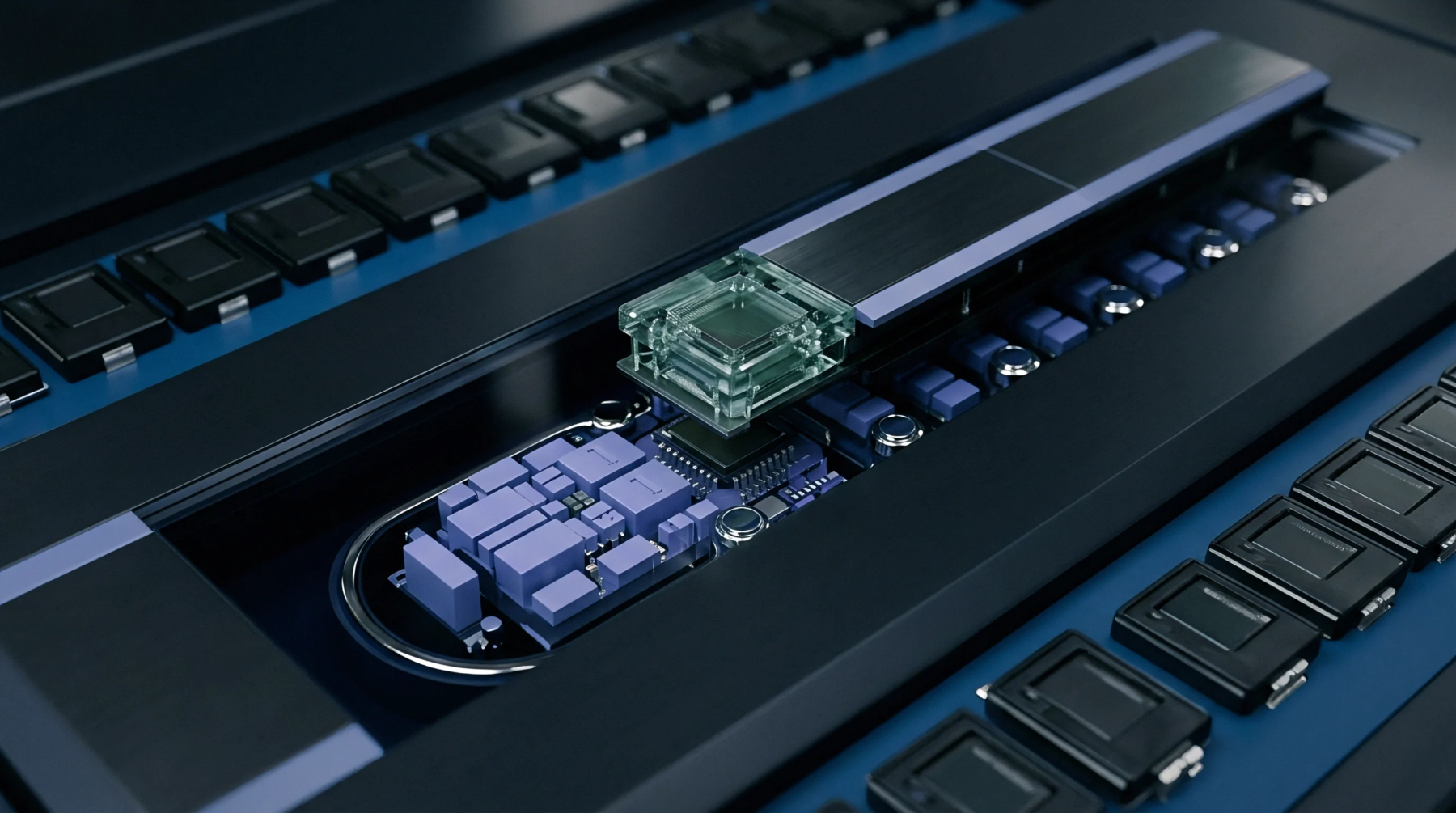
Surface mount strain gauge selection relies on matching package shear modulus, serial bus update rates, and IPC-9704 board strain limits.
Active pull-up buffers restore slew rates on high-capacitance sensor lines without raising low-level output voltages or violating static sink limits.

Discrete SMD sensors break even over integrated serial modules above fifty thousand units when assembly yields exceed ninety nine percent.

Land pattern geometry, bus capacitance control, and driver timing dictate assembly yield and operational stability across sensor package formats.
Expertise is a utility, not a secret. sentiention™ publishes its working knowledge as open reference: intelligence layer covering the materials it sources, the markets it enters, and the reference that serves both.