Temporal Performance
Measurement of the consistency of a sensor output while the device remains under constant environmental and electrical conditions describes a specific state of equilibrium. Practitioners evaluate soak stability to determine the minimum time required for internal components to reach thermal and mechanical stasis. The metric defines the drift rate observed after the initial warm-up period has passed and the transient effects have decayed.
It provides the baseline for all subsequent accuracy claims because a device that cannot maintain a steady reading under static conditions will fail to provide repeatable data during dynamic events.
Verification Protocol
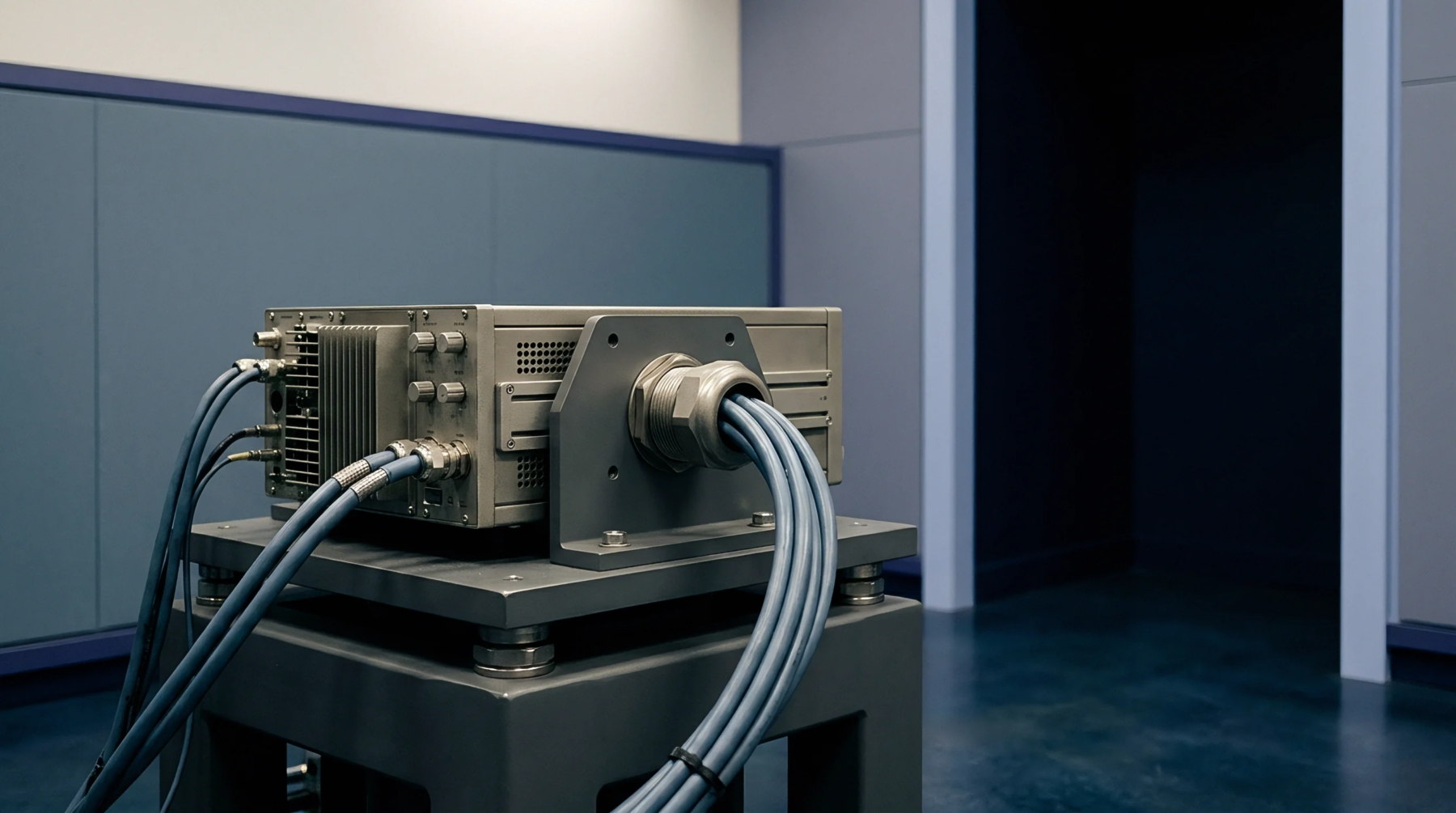
Testing involves placing the instrument in a controlled chamber and recording the output at fixed intervals over several hours or days. Technicians assess soak stability by calculating the peak to peak variation and the standard deviation of the signal. Reference standards for this test usually require a temperature control better than ten millikelvin to isolate the sensor drift from environmental fluctuations.
Drift Mechanism
Internal heat dissipation from active electronics often creates localized gradients that shift the sensing element away from its calibrated null point. Stress relaxation in the packaging materials or the adhesive layers also influences the long term soak stability of a device. These mechanical changes occur slowly and are frequently mistaken for electrical noise if the observation window is too short.
Operational Constraint
Limits on the allowable drift set the interval between periodic calibrations and define the uncertainty budget for high precision laboratory measurements. While a sensor may show high sensitivity, poor soak stability renders the absolute value unreliable for static monitoring applications. Stability remains the primary criterion for laboratory grade sensors.