Thermal Coupling
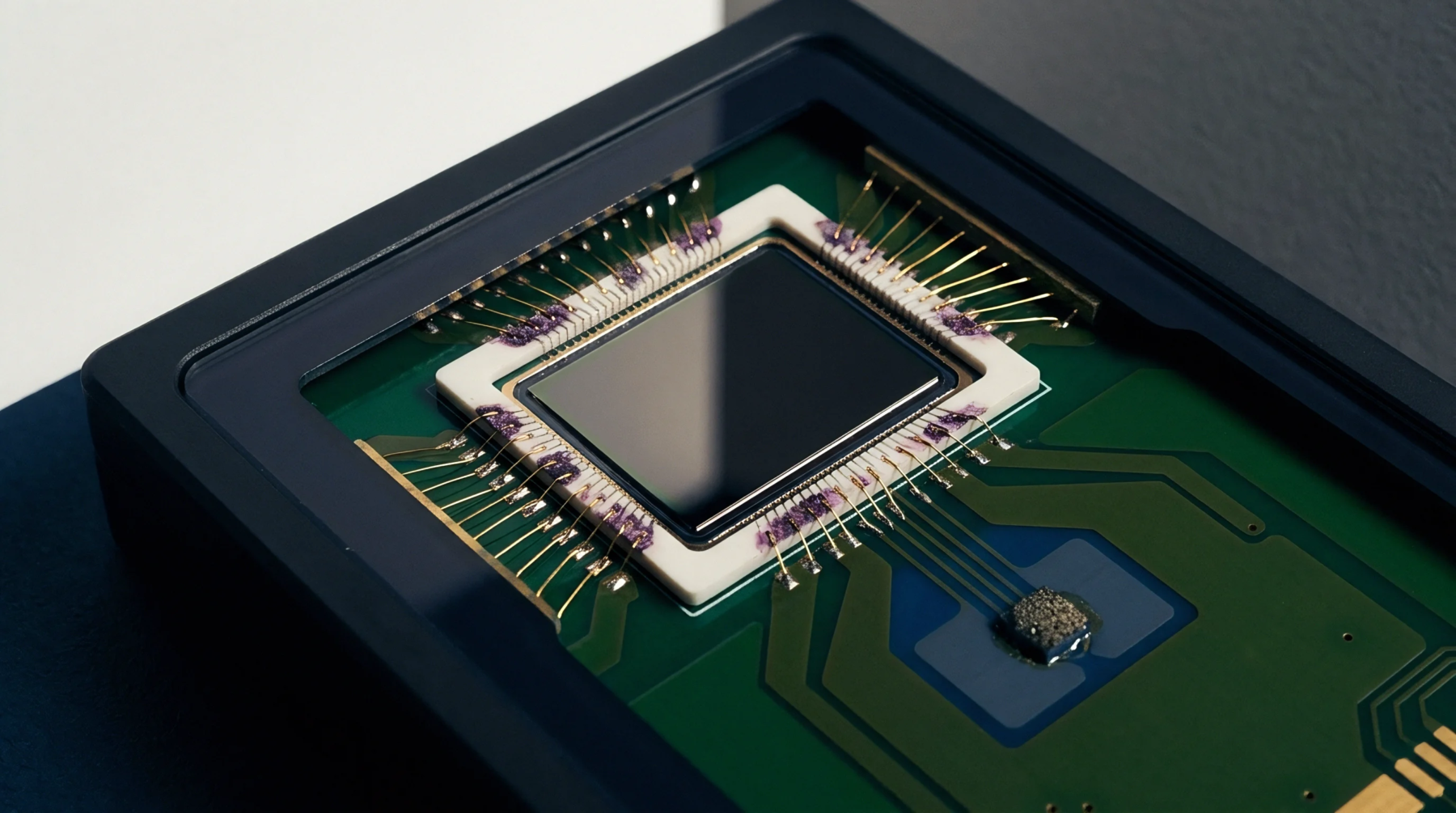
Elastomeric adhesion chemistry provides a path for bonding semiconductor devices to substrates while maintaining flexibility under mechanical stress. This silicone die attach material utilizes siloxane polymers to accommodate the differential thermal expansion coefficients between a silicon chip and a rigid lead frame or ceramic board. Manufacturers select these compounds when the assembly requires low modulus properties to protect delicate wire bonds from fatigue during temperature cycling.
Polymeric chains remain supple across a broad range of operating conditions, preventing the cracking often associated with brittle epoxy alternatives.
Volumetric Expansion
Thermal shock performance depends on the ability of the adhesive to absorb strain through its internal molecular structure. Silicone die attach formulations exhibit significant elasticity that distributes force away from the bond line interface. Engineers measure the efficacy of this strain relief by subjecting samples to repeated cycling between negative forty and one hundred fifty degrees Celsius.
Stable bond strength persists because the cross-linked network avoids permanent deformation despite the shift in material dimensions during expansion.
Operational Drift
Curing protocols dictate the final mechanical state of the interface relative to the manufacturer specifications. Excess moisture or contamination during the dispensing sequence introduces voids that inhibit heat dissipation from the junction to the package exterior. Verification of the material integrity relies on acoustic microscopy to confirm the absence of delamination or air pockets within the thin layer of compound.
Periodic inspection detects deviations in viscosity that result from improper storage temperature or batch aging of the siloxane base.
Contact Integrity
Reliability outcomes depend on the surface energy match between the silicone die attach and the target metallization. Hydrophobic characteristics inherent in the chemistry resist common contaminants that degrade adhesion over time. Optimal performance emerges when the surface tension of the liquid dispenser matches the wetting requirements of the substrate finish.
Proper management of these interface conditions ensures the permanent attachment of high power components despite continuous thermal flux.