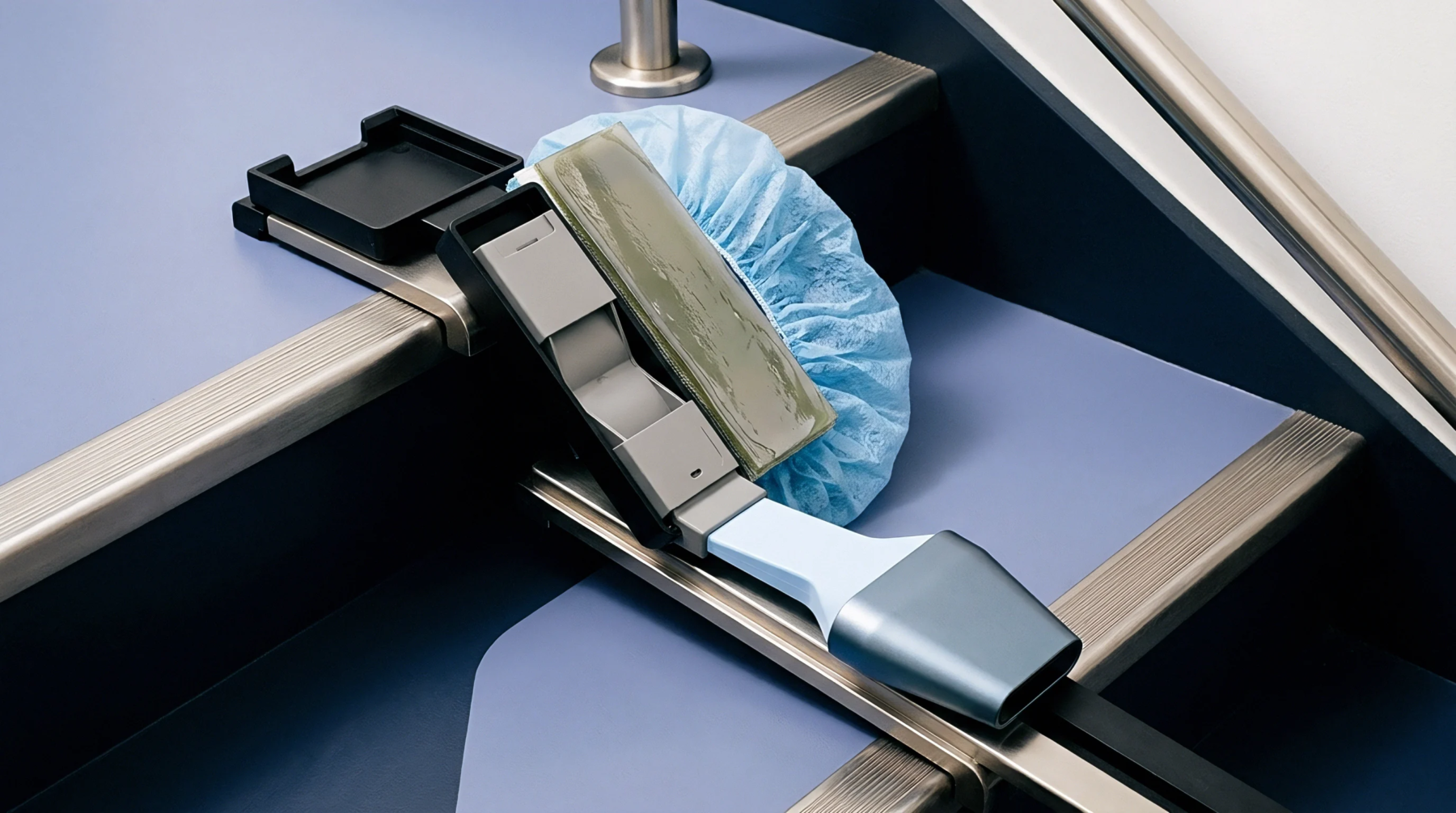
Modeling Hydrostatic Pressure Effects on Transducer Hysteresis and Long Term Drift Limits
Hydrostatic pressure drives viscoelastic oil relaxation and silicon lattice creep, turning unmodeled transducer hysteresis into major long-term zero drift.
Hydrostatic pressure drives viscoelastic oil relaxation and silicon lattice creep, turning unmodeled transducer hysteresis into major long-term zero drift.
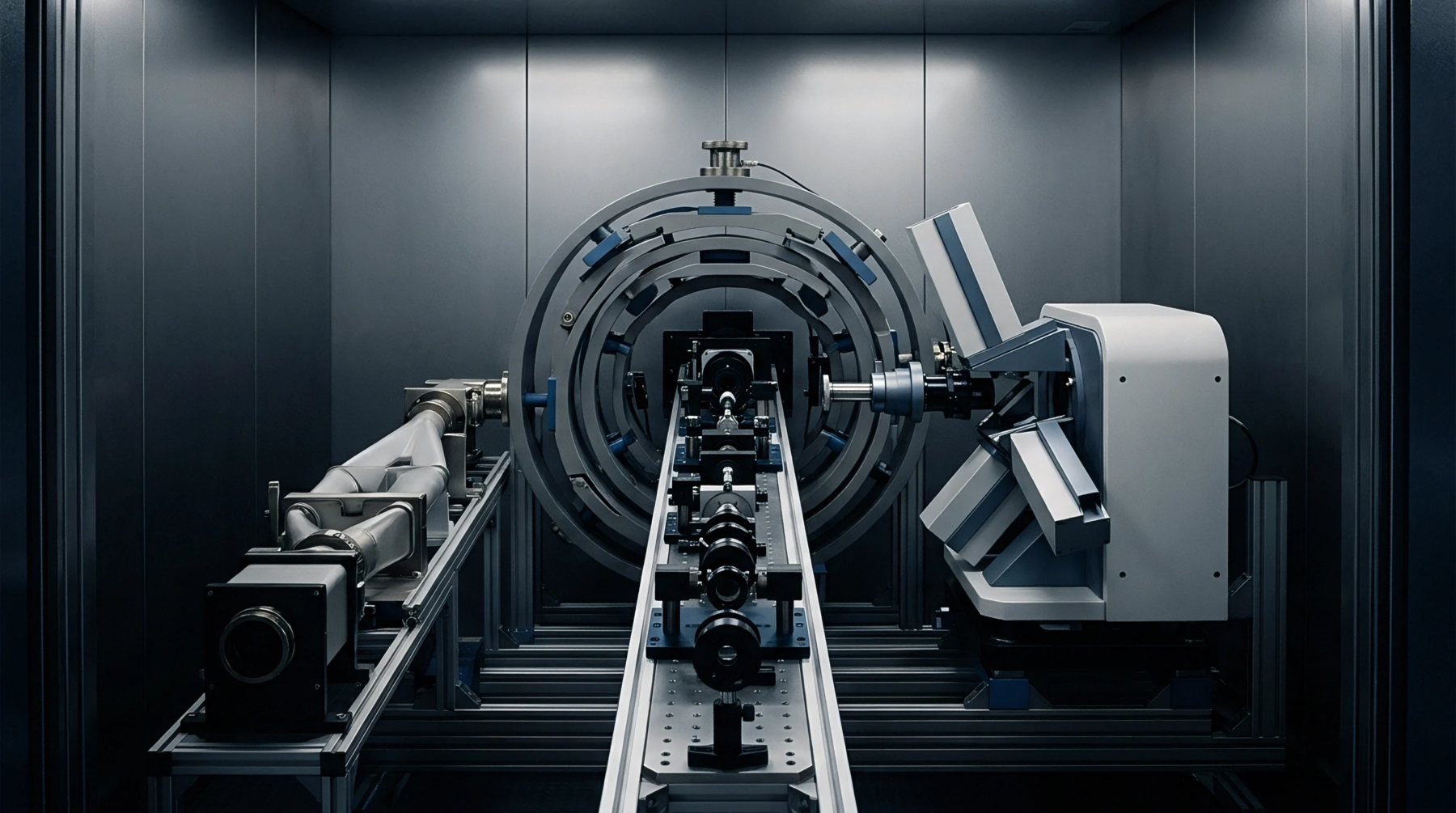
Thermal drift calibration of silicon piezoresistive sensors balances polynomial surface fit precision against bench soak time to hold target tolerances.

Finite element modeling of underfill creep uses Prony viscoelasticity and Anand viscoplasticity to predict and compensate long-term silicon sensor drift.
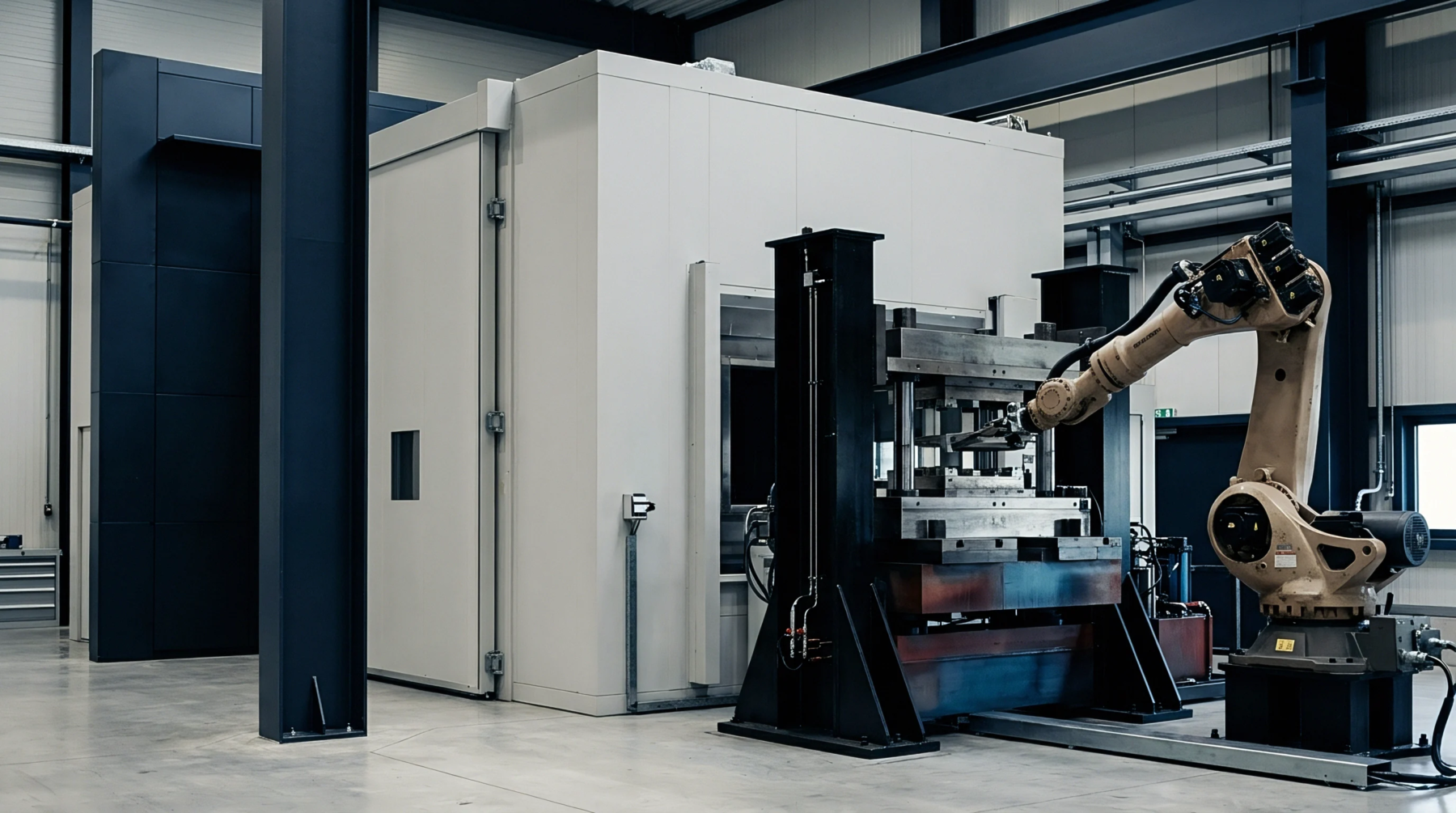
Isolated silicon cell thermal hysteresis depends directly on micro-dosing oil volume accuracy and outer diaphragm compliance balance.
Expertise is a utility, not a secret. sentiention™ publishes its working knowledge as open reference: intelligence layer covering the materials it sources, the markets it enters, and the reference that serves both.