Thermal Sequence
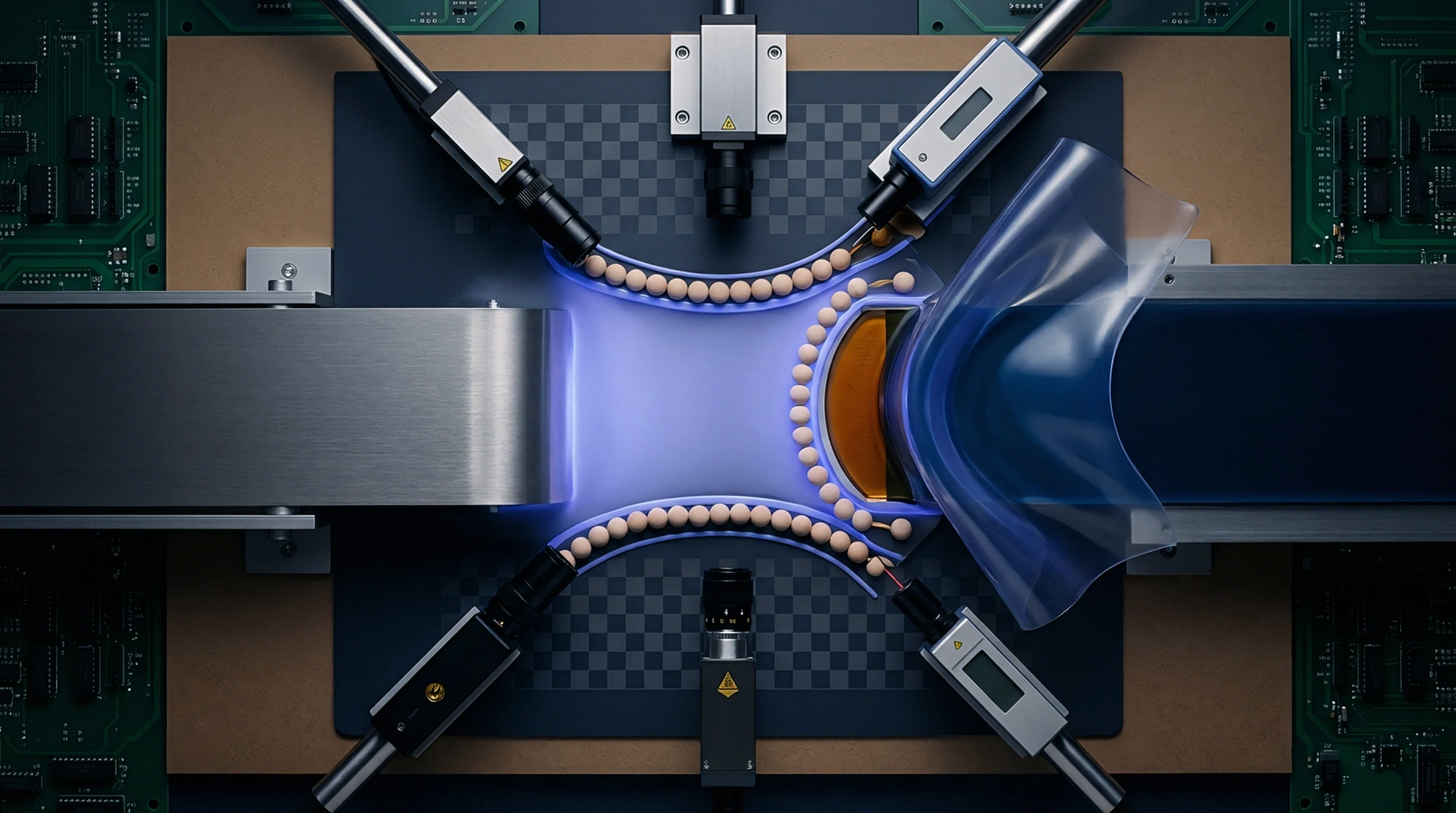
A time-temperature function defines the energy application stages necessary to form permanent electrical interconnections between components and printed circuit board pads. This reflow thermal profile governs the heat transfer dynamics during the assembly stage of electronics production. Precise control of the temperature gradient ensures solder paste transition from solid to liquid and back to solid states without damaging heat-sensitive components or the substrate.
Calibration of the oven follows established standards that dictate the ramp, soak, and cooling rates required for specific solder alloys.
Control Precision
Sensors embedded within the reflow oven monitor the ambient temperature against the target setpoints at specific locations. Discrepancies between the programmed reflow thermal profile and the actual thermal energy delivered to the board result in cold solder joints or component delamination. Practitioners verify the accuracy of these sensors through periodic mapping of the oven chamber using a calibrated thermocouple array.
This metrological verification confirms that the heating elements respond to load changes and maintain set temperatures across the entire conveyor width.
Process Integrity
Variations in board mass, component density, and placement patterns introduce thermal loading differences that impact the realized temperature at the joint level. A reflow thermal profile accounts for these disparities by establishing soak zones that allow the temperature to equalize across the assembly before the liquidus phase. Higher thermal mass requires longer soak times to prevent excessive temperature gradients that cause uneven melting.
Engineers adjust the conveyor speed and zone temperatures to compensate for the thermal absorption characteristics of individual production batches.
Measurement Boundary
Calibration traces the temperature data back to national standards to ensure the consistency of the reflow thermal profile across different production sites or assembly lines. Systematic drift in the heating elements or sensor degradation necessitates adjustment to the controller parameters to maintain output quality. Environmental factors such as ambient room temperature and air extraction rates represent interference sources that shift the actual heat delivery relative to the programmed model.
Stability of the process remains contingent on the repeated synchronization of internal oven sensors with traceable external measurement equipment.