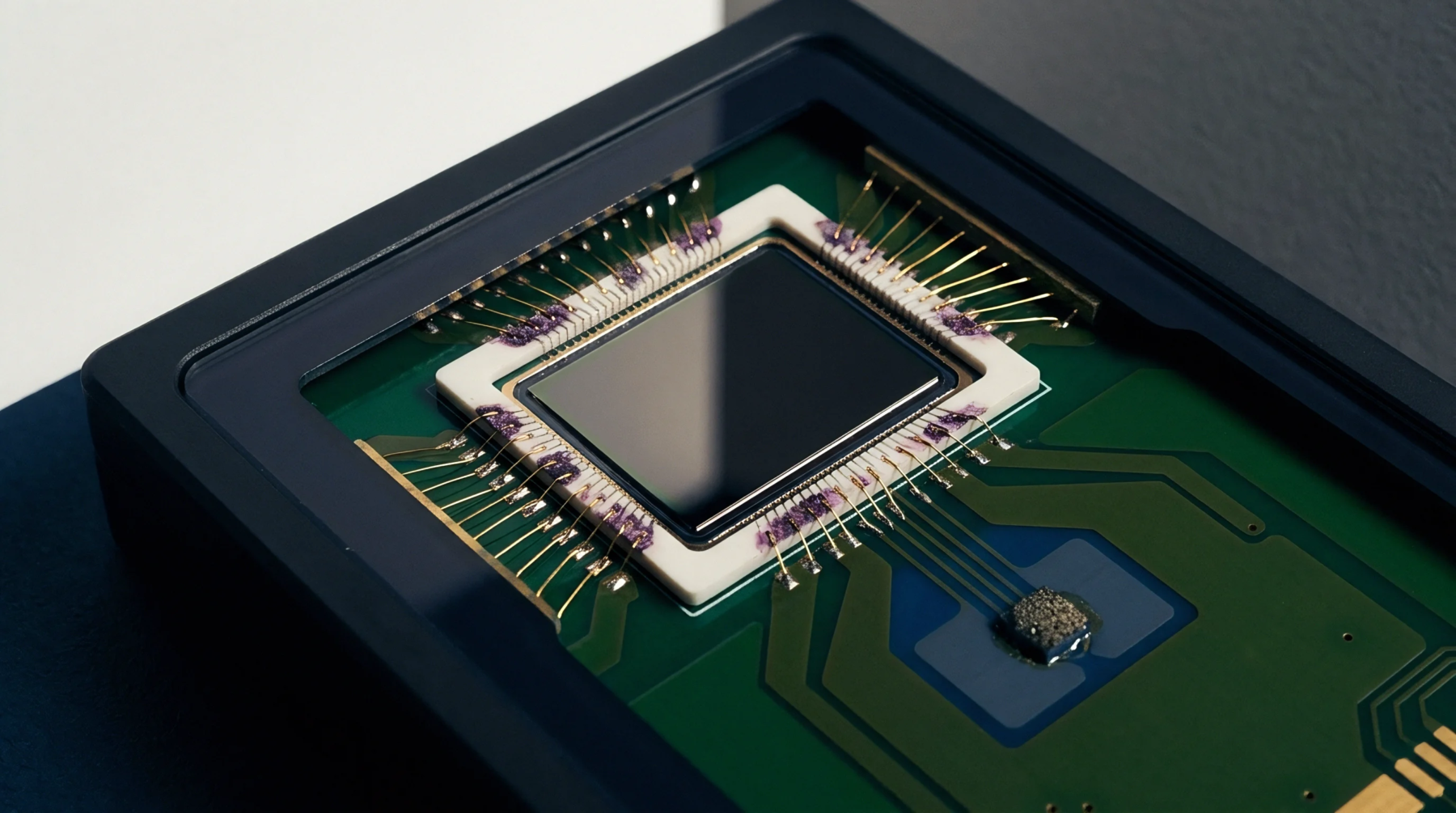
Encapsulation Force
Mechanical pressure exerted on electronic components by the shrinkage of encapsulating resins during the curing and cooling process. Excessive potting stress can lead to the fracture of ceramic capacitors or the shifting of sensor offsets in precision instruments. This pressure is a result of the chemical cross-linking that occurs as the liquid resin turns into a solid.
The magnitude of the force depends on the volume of the potting and the shape of the enclosure.
Curing Effect
Shrinkage rates vary between different chemistries, with epoxies typically exerting more pressure than silicones or polyurethanes. During the curing phase, potting stress builds up as the material loses its ability to flow and starts to grip the internal parts. If the curing temperature is too high, the subsequent cooling to room temperature adds additional thermal stress.
Engineers use finite element analysis to predict these forces before the manufacturing process begins.
Component Reliability
Protection of the circuit from moisture and vibration must be balanced against the risk of damage from the encapsulation itself. A high level of potting stress can delaminate solder joints or crack the silicon die of a semiconductor. Delicate sensors often require a soft coating to act as a buffer before the hard potting is applied.
This multi-layer approach ensures environmental protection without compromising the mechanical integrity of the electronics.
Mitigation Strategy
Selection of low-shrinkage resins and controlled cooling cycles are the primary methods for reducing the impact of these forces. Monitoring the output of a sensor during the potting process can provide real-time data on the development of potting stress. If the sensor signal shifts beyond a certain limit, the process must be adjusted to prevent a total loss of calibration.
Final verification occurs through cross-sectioning and acoustic imaging of the finished assembly.