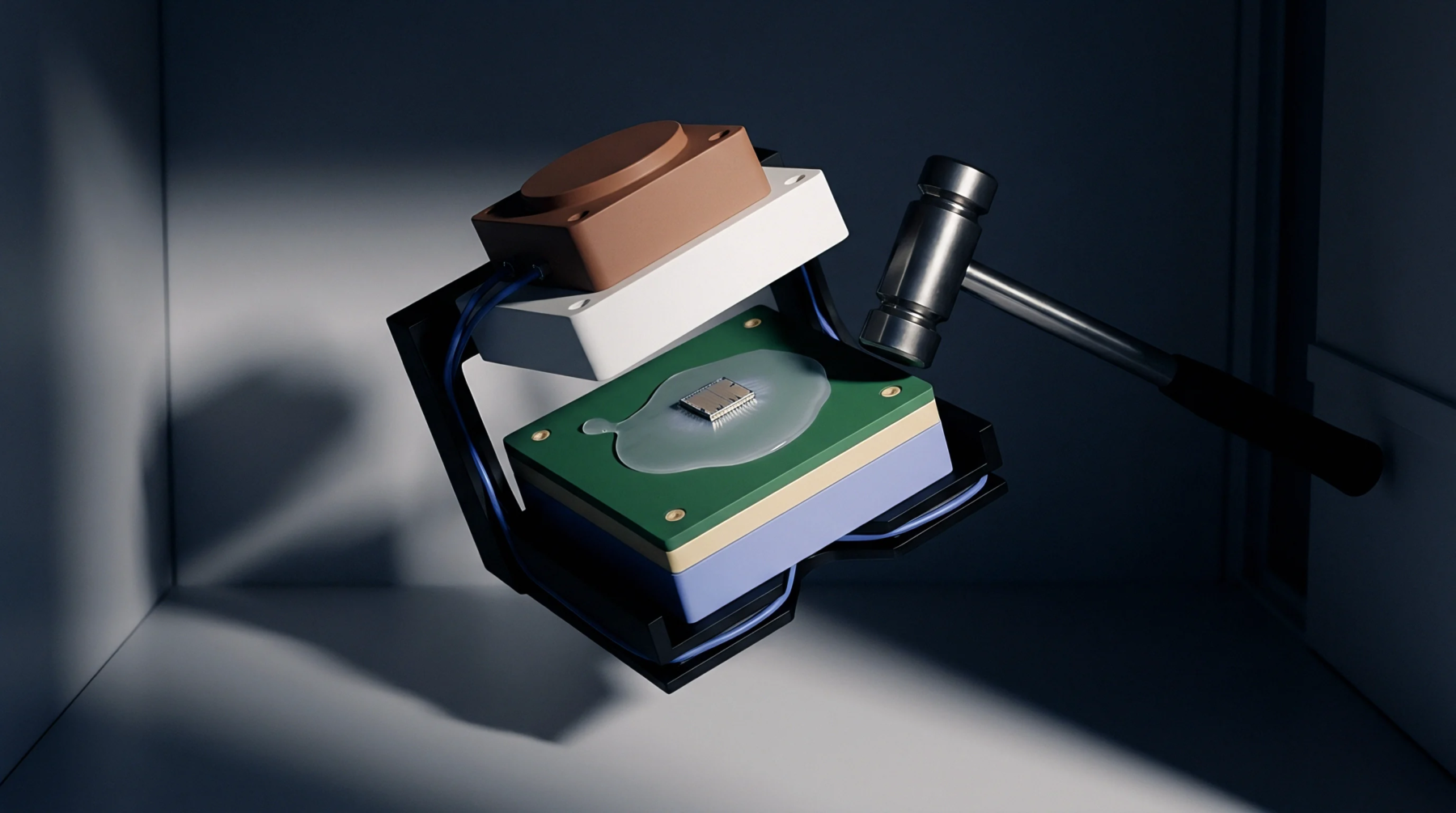
Stress Decoupling
Design strategy used to protect a sensitive sensing element from the external forces applied to its housing defines the methodology. Mechanical stress isolation prevents the warping of the sensor die when the outer package is soldered to a circuit board. Technique is necessary for maintaining the zero-point stability of the device.
Mounting Influence
Tightening a screw or applying adhesive can introduce small strains that shift the output of a micro-machined sensor. These forces are often several orders of magnitude larger than the signals being measured. Effective isolation uses flexible structures or soft materials to absorb the energy before it reaches the active area.
Sensor Stability
Long-term accuracy depends on the sensing element remaining in a stress-free state throughout its service life. If the isolation fails, the bias will drift as the package ages or as the temperature changes. Engineers use finite element analysis to predict how external loads will propagate through the assembly.
Material Matching
Selecting components with similar coefficients of thermal expansion reduces the amount of internal stress generated by temperature swings. If the sensor and its mount expand at different rates, the resulting tension can cause mechanical failure or signal errors. A common approach involves using a ceramic carrier or a specialized lead frame that acts as a buffer between the chip and the board.
Testing the final assembly with a series of thermal shocks confirms that the isolation strategy is working as intended. This verification is a standard part of the qualification process for automotive and aerospace sensors. Proper implementation of stress relief features ensures that the sensor calibration remains valid in the field.