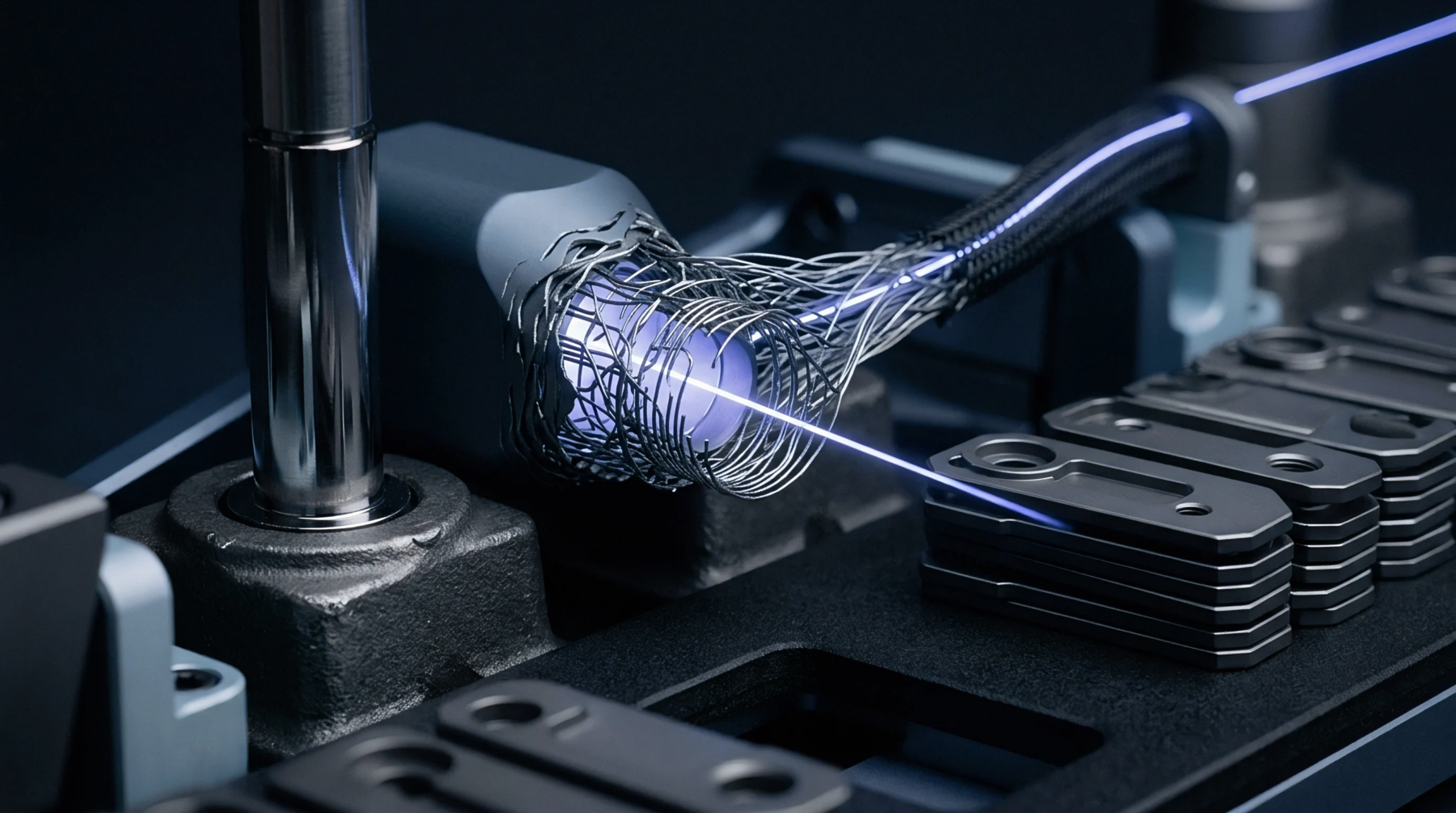
Boundary Barrier
Permanent molecular containment defines a hermetic seal against gas migration under extreme differential pressure. Metrological verification relies on helium mass spectrometry leak detection, where atomic tracer penetration rates establish leakage thresholds below standard atmospheric exchange limits. Manufacturers set baseline tolerances during factory calibration runs, yet field installation stresses often induce microstructural shifts that compromise baseline integrity over operational lifecycles.
Environmental temperature gradients alter housing geometry through differential thermal expansion between dissimilar mating flanges, creating microscopic interfacial gaps that undermine containment efficacy. Calibration certificates state maximum allowable mass flow rates under specific reference conditions, distinguishing verified laboratory baselines from unpredictable site performance.
Leakage Quantification
Mass spectrometry measurements quantify tracer gas ingress per unit time under vacuum conditions. Absolute pressure transducers record chamber pressure rise over fixed intervals to isolate barrier degradation from ambient barometric fluctuations. Operator calibration routines utilize calibrated capillary leaks to verify instrument sensitivity prior to test execution.
Interface Stress
Thermal cycling generates mechanical fatigue across bonded dissimilar substrates through mismatched coefficients of thermal expansion. Mechanical fastener torque relaxation permits joint separation when fluctuating operational pressures exceed clamping force thresholds. Elastomeric gasket compression set reduces recovery memory during prolonged high temperature exposure, accelerating molecular permeation pathways through the barrier interface.
Containment Threshold
Molecular diffusion rates dictate the ultimate boundary limit for gaseous containment under sustained pressure differentials. Permeation barrier failure occurs when accumulated tracer concentration breaches maximum allowable contaminant limits defined by governing specification standards. Field verification confirms containment retention by comparing post installation leak rates against initial factory calibration certificates.