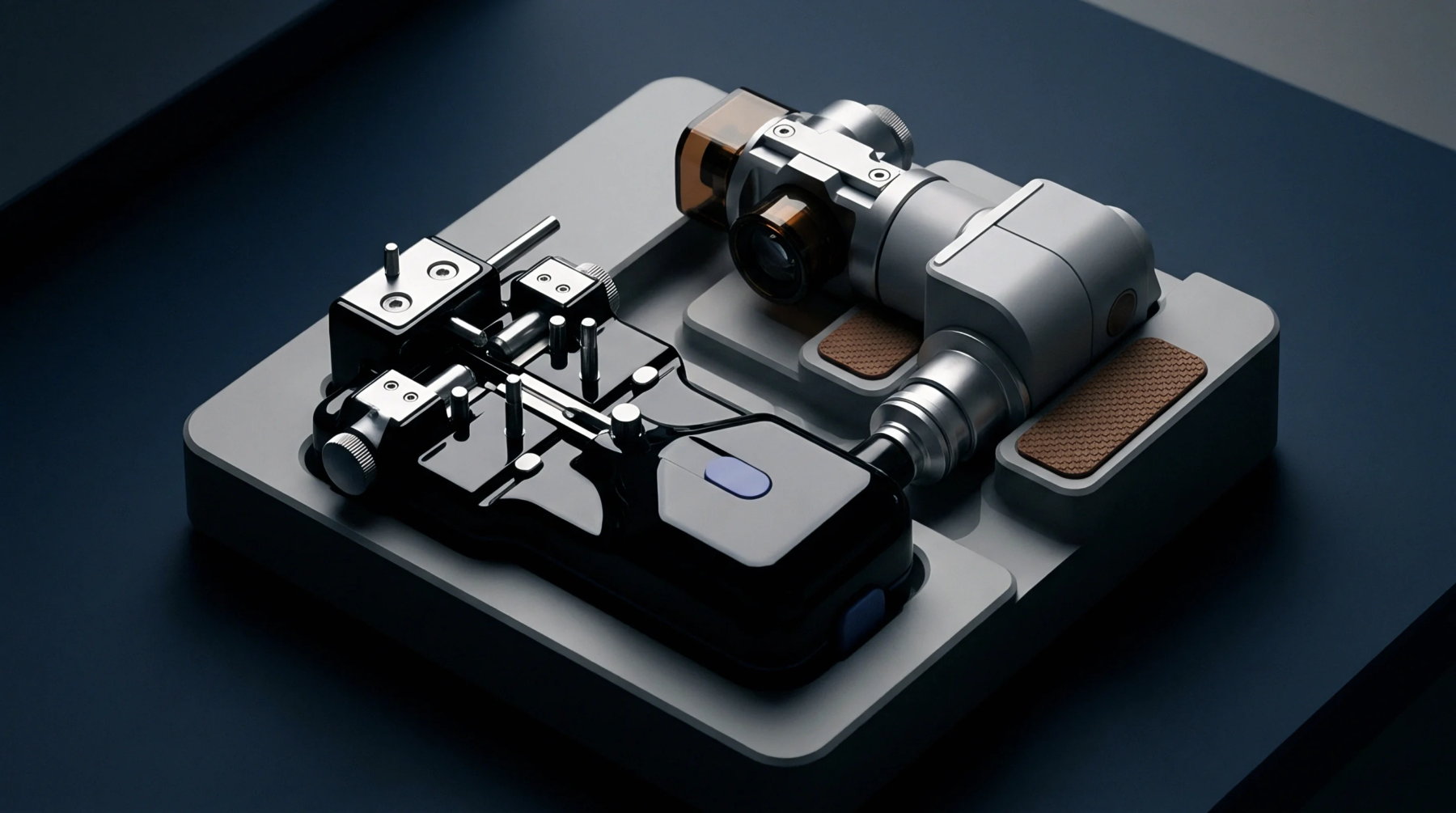
Testing Instrument
Controlled testing enclosures allow engineers to subject electronic assemblies to precise profiles of temperature and humidity. An environmental chamber provides this simulated atmosphere, enabling the verification of sensor performance across extreme operational ranges. Equipped with powerful heating elements, refrigeration units, and steam generators, these machines manipulate the internal air composition and temperature according to programmed test sequences.
Data loggers record the internal conditions continuously.
Climate Control
Airflow circulation inside the workspace must remain uniform to prevent localized microclimates from forming around the test specimens. In a typical environmental chamber, high-speed fans distribute the conditioned air evenly to maintain thermal stability within a fraction of a degree. This uniformity is essential for repeatable results.
Calibration Protocol
Regular maintenance ensures that the internal sensors reporting temperature and humidity remain within their specified tolerances. Technicians place calibrated reference probes inside the environmental chamber to verify that the display values match the actual conditions. These certifications are required for regulatory compliance.
Stress Simulation
Accelerated life testing relies on rapid thermal cycling to expose latent manufacturing defects in electronic components. By rapidly transitioning the environmental chamber between hot and cold extremes, engineers can identify weak solder joints or mismatched thermal expansion coefficients. This testing prevents premature field failures.