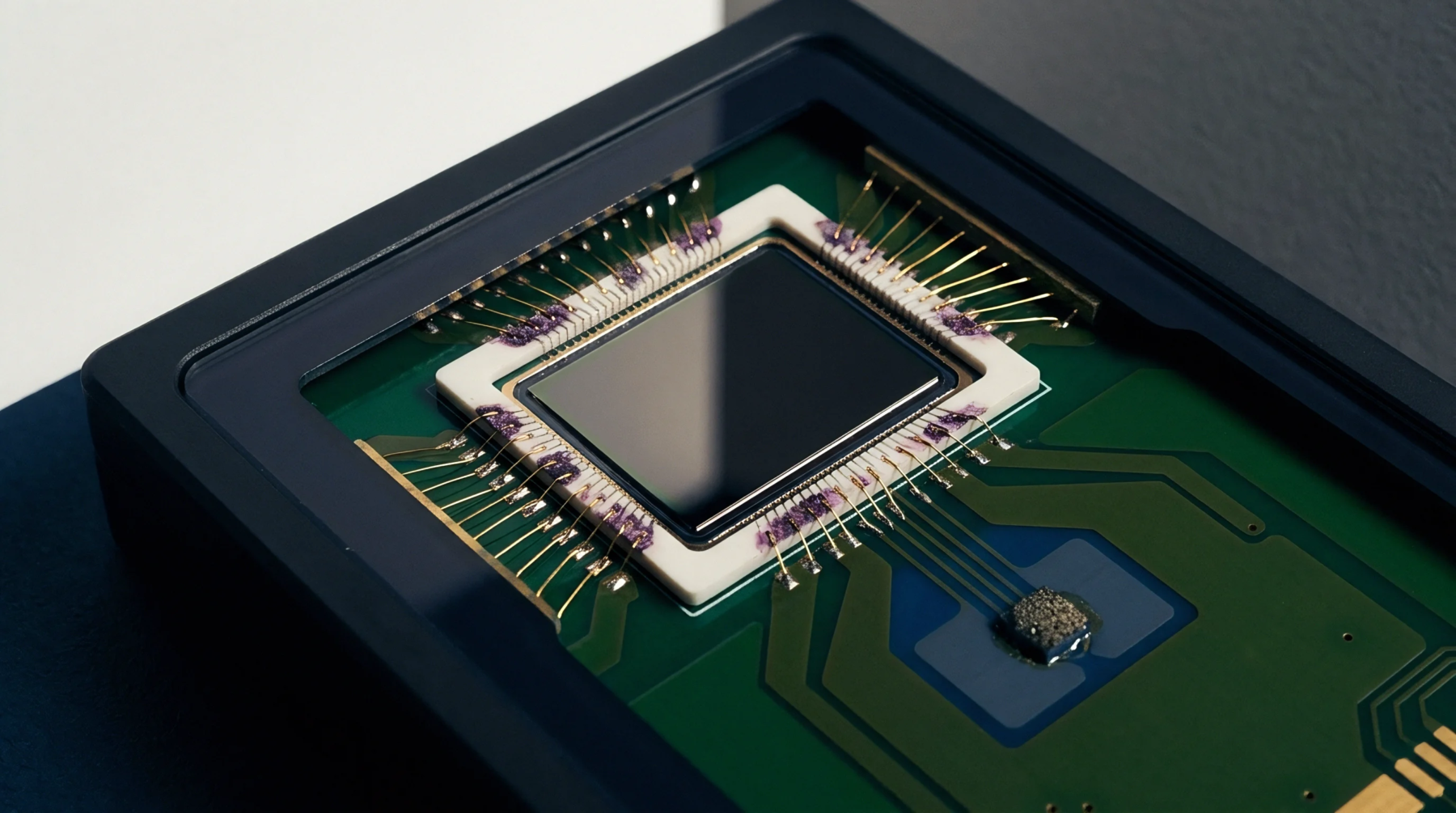
Structural Stabilization
Stabilization process involving repeated temperature fluctuations to settle the physical and electrical properties of a new material or device. Instruments undergo thermal seasoning to reduce future hysteresis and improve the predictability of long-term drift in the field. This procedure mimics the natural aging process in a fraction of the time.
By forcing the material to expand and contract, any internal mechanical tension is allowed to dissipate.
Hysteresis Reduction
Repeated cycling ensures that the sensor returns to the same zero-point after every temperature excursion. Thermal seasoning is particularly important for high-precision load cells and pressure transducers where tiny mechanical shifts would cause significant errors. After several cycles, the molecular structure of the bonding agents and the sensing element reaches a more stable configuration.
This stability results in a more reliable instrument that requires less frequent calibration.
Aging Process
Accelerated conditioning helps in identifying infant mortality in electronic components before they are shipped to customers. The thermal seasoning protocol often involves sweeping between the maximum and minimum rated storage temperatures of the device. Each cycle helps to expose latent defects such as poor solder joints or cracked ceramic layers.
This pre-conditioning is a standard part of the quality assurance process for aerospace and medical hardware.
Metrological Quality
Final accuracy of a sensor is often limited by the stability of its internal components over time. Sensors that have undergone thorough thermal seasoning show a much lower rate of calibration drift during their first year of service. This improvement is verified by comparing the performance of seasoned units against unseasoned controls in a long-term stability test.
The result is a product that delivers consistent data throughout its operational life.