Component Design
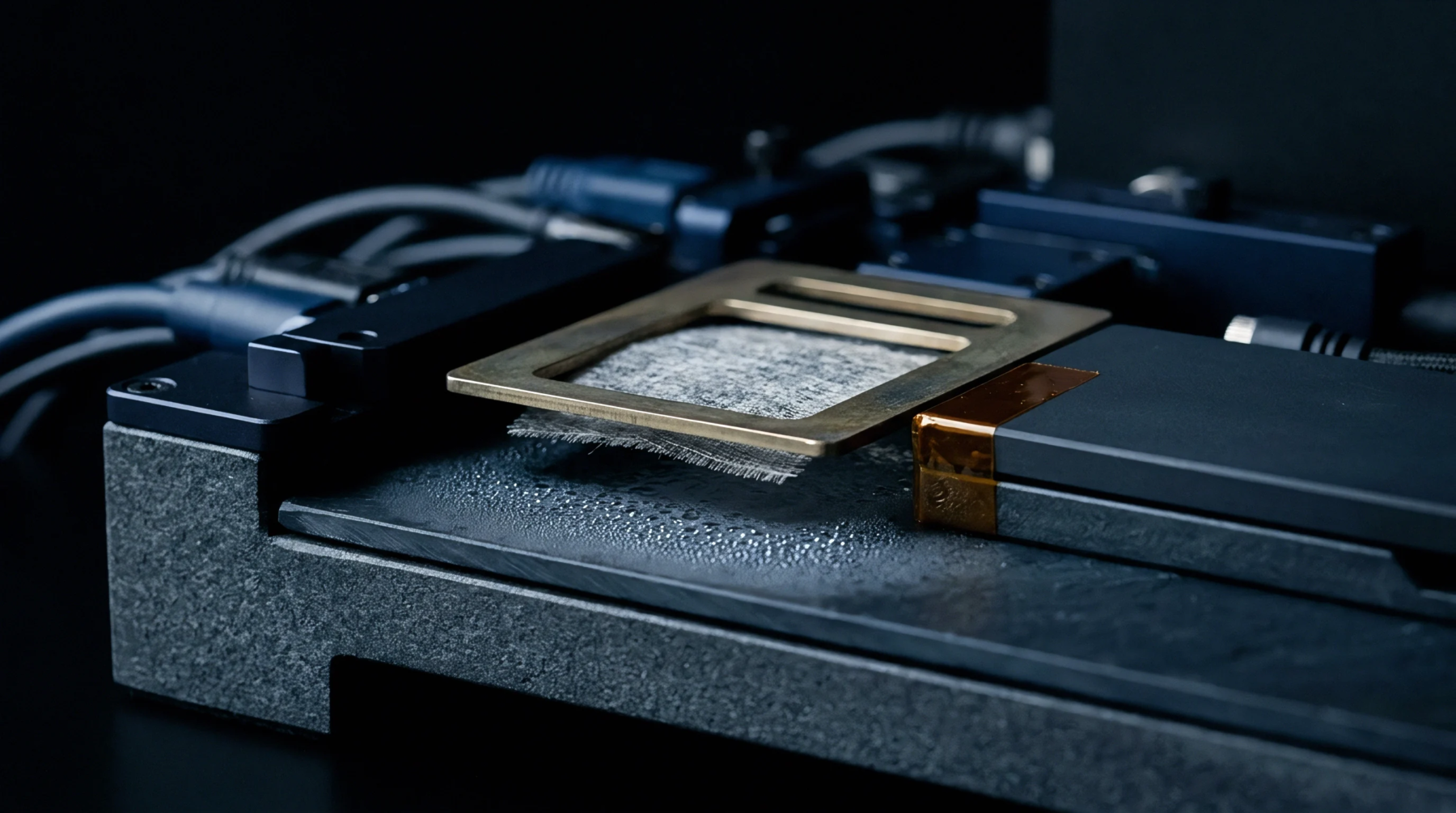
Electronic components designed to be soldered directly onto the surface of a printed circuit board are essential for modern high-density electronics. This physical component is a surface mount device, which features metal terminals or solder bumps instead of wire leads that pass through holes. It enables the creation of smaller and more complex electronic assemblies.
The design allows for automated placement at very high speeds. Common examples include resistors, capacitors, and leadless microcontrollers that populate boards in consumer electronics.
Assembly Automation
Automated pick-and-place machines retrieve components from tape-and-reel feeders and position them precisely on the solder paste. This automated assembly process is highly repeatable and allows for the production of dense circuit boards. The component must be aligned correctly to prevent soldering defects.
Reheat ovens then melt the paste to form the permanent connection.
Reliability Characteristic
Joint integrity is critical because the solder provides both electrical connectivity and mechanical attachment. Surface mount joints are subjected to stresses from thermal expansion and mechanical vibration. These stresses can lead to joint failure if the board is not designed correctly.
Reliability is evaluated using thermal cycling and shear testing.
Environmental Sensitivity
Many packages are made of plastic and absorb moisture from the surrounding air during storage. This moisture can cause internal damage when heated during the reflow process. Proper handling and tracking of the exposure time are required to prevent these failures.
Storage in dry cabinets is the standard method used to protect these sensitive components.