Electrical Termination
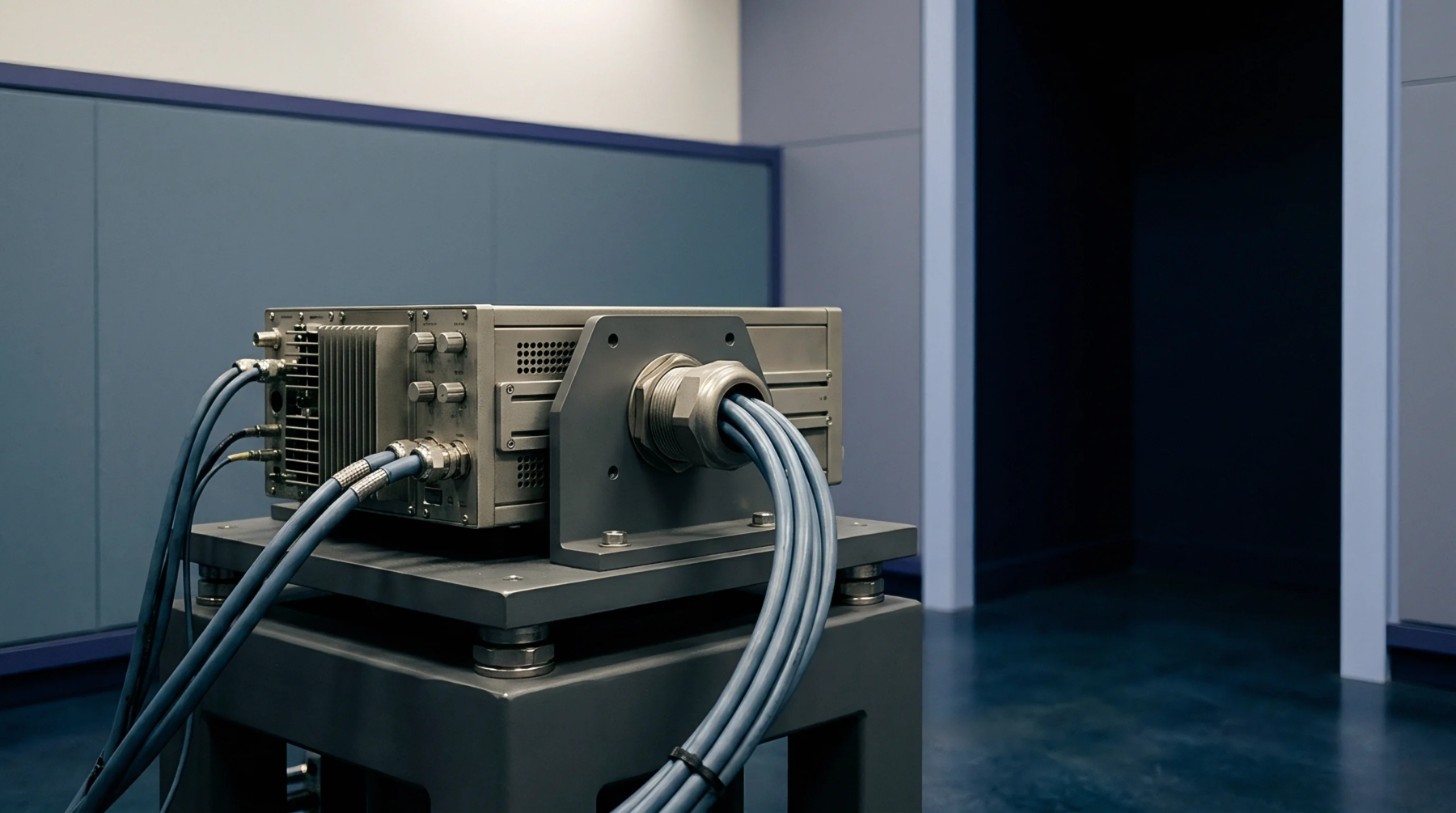
Termination processes that mechanically compress a metal ferrule or ring over the braided shield of a coaxial or shielded cable establish a continuous, low-impedance ground connection. Performing a proper shield crimp is necessary to maintain electromagnetic shielding across the entire cable assembly. This connection prevents signal leakage and protects sensitive circuits from external electromagnetic interference.
Mechanical Retention
Compressing the shield between the ferrule and the connector body requires precise tooling to avoid crushing the internal dielectric. A calibrated shield crimp provides high tensile strength, which ensures that the cable can withstand pulling forces without breaking the grounding path.
Performance Validation
Quality verification involves measuring the electrical resistance across the crimped joint and performing mechanical pull tests. Standard specifications define the acceptable range of contact resistance, which is typically in the milliohm range. Microscopic cross-sectioning allows inspectors to confirm that the shielding strands are evenly compressed and free from damage.
Assembly Integrity
Imperfect crimping can leave loose strands that cause intermittent ground loops or short circuits within the connector shell. Moisture ingress is another risk, as air gaps in a poorly executed shield crimp can lead to internal corrosion and eventual signal degradation. Employing heat-shrink tubing with adhesive linings over the finished crimp provides environmental sealing and additional strain relief.