
Temperature Dependent Carrier Density Shift in Heavily Doped Silicon Piezoresistors
Heavy boron doping flattens piezoresistive gauge factor thermal drift but shifts baseline bridge resistance through temperature-dependent carrier mobility changes.
Heavy boron doping flattens piezoresistive gauge factor thermal drift but shifts baseline bridge resistance through temperature-dependent carrier mobility changes.

Boron doping above 5.0 × 10^19 cm^-3 stabilizes thermal span drift under current excitation while dropping silicon piezoresistive gauge factor from 120 to 38.

Modeling localized dislocation kinetics prevents slip line generation by keeping transient thermoelastic shear stresses strictly below moving critical thresholds.

Ion implantation optimizes piezoresistive sensor sensitivity by balancing boron dose against gauge factor decay, junction depth, and thermal span stability.

Degenerate boron implantation above 8e19 cm-3 pins the Fermi level into the valence band, matching TCR to TCGF for passive constant-current bridge compensation.
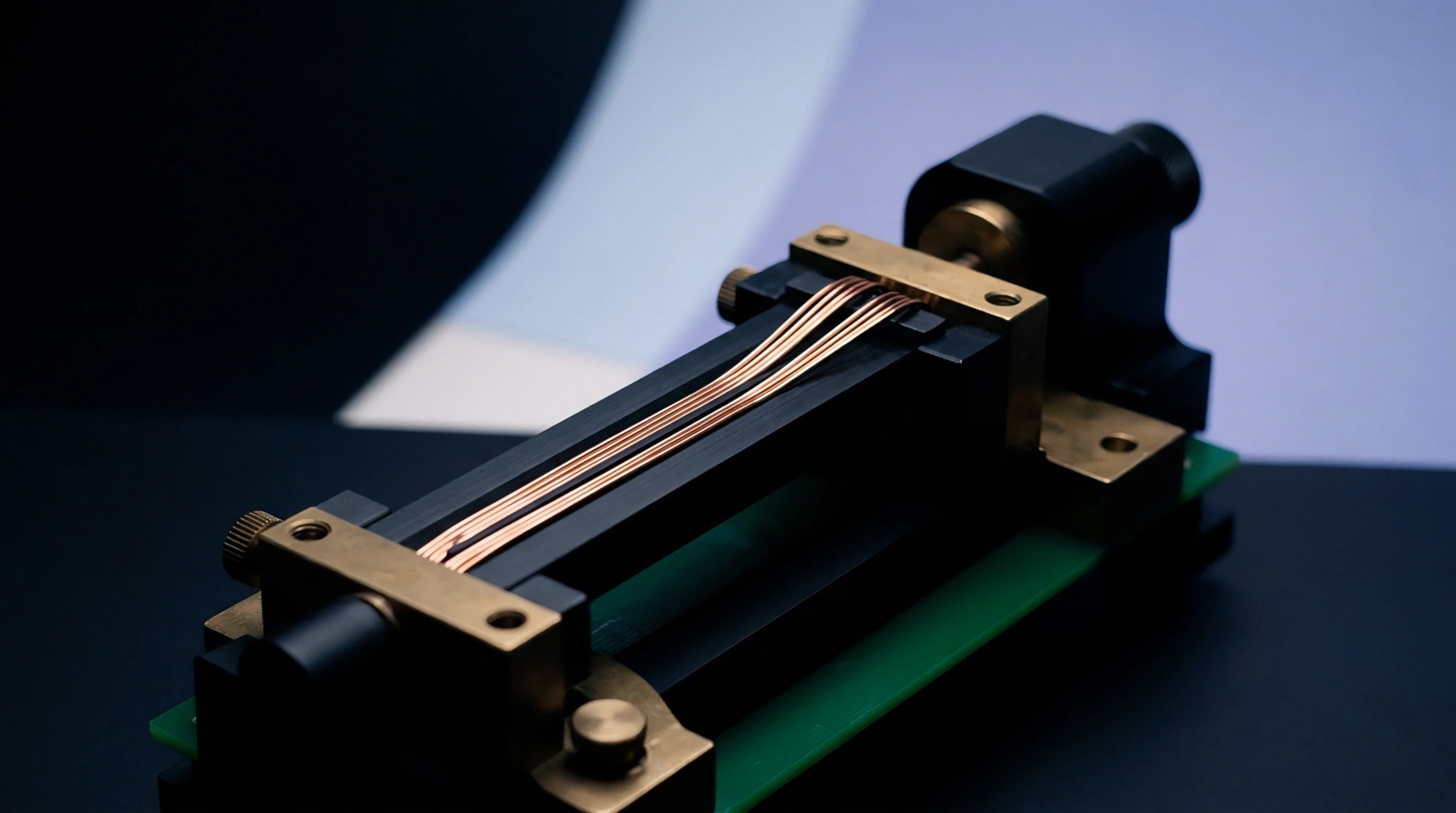
Doping concentration governs the trade-off between piezoresistive gauge factor and thermal drift while crystallographic alignment sets mechanical strain sensitivity.
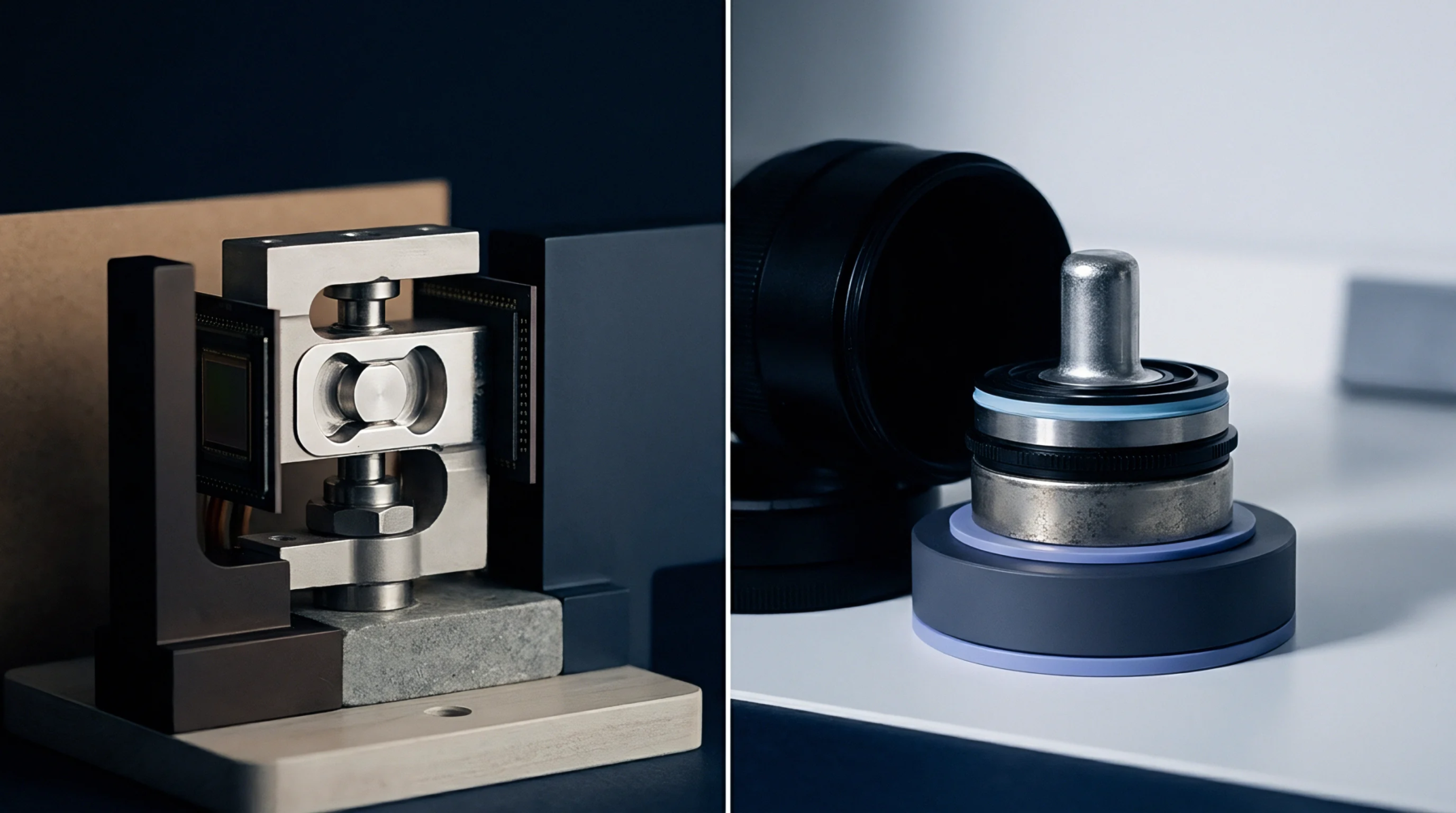
Counter doping balances opposite resistance and sensitivity temperature coefficients in silicon strain gauges to eliminate bridge drift without digital trim.

Engineered boron dopant profiles between 8x10^18 and 2x10^19 cm^-3 balance piezoresistive gauge factor against thermal sensitivity drift in silicon MEMS sensors.

Implantation energy and post-anneal thermal budgets set piezoresistive sensitivity and offset stability in silicon pressure sensor diaphragms.
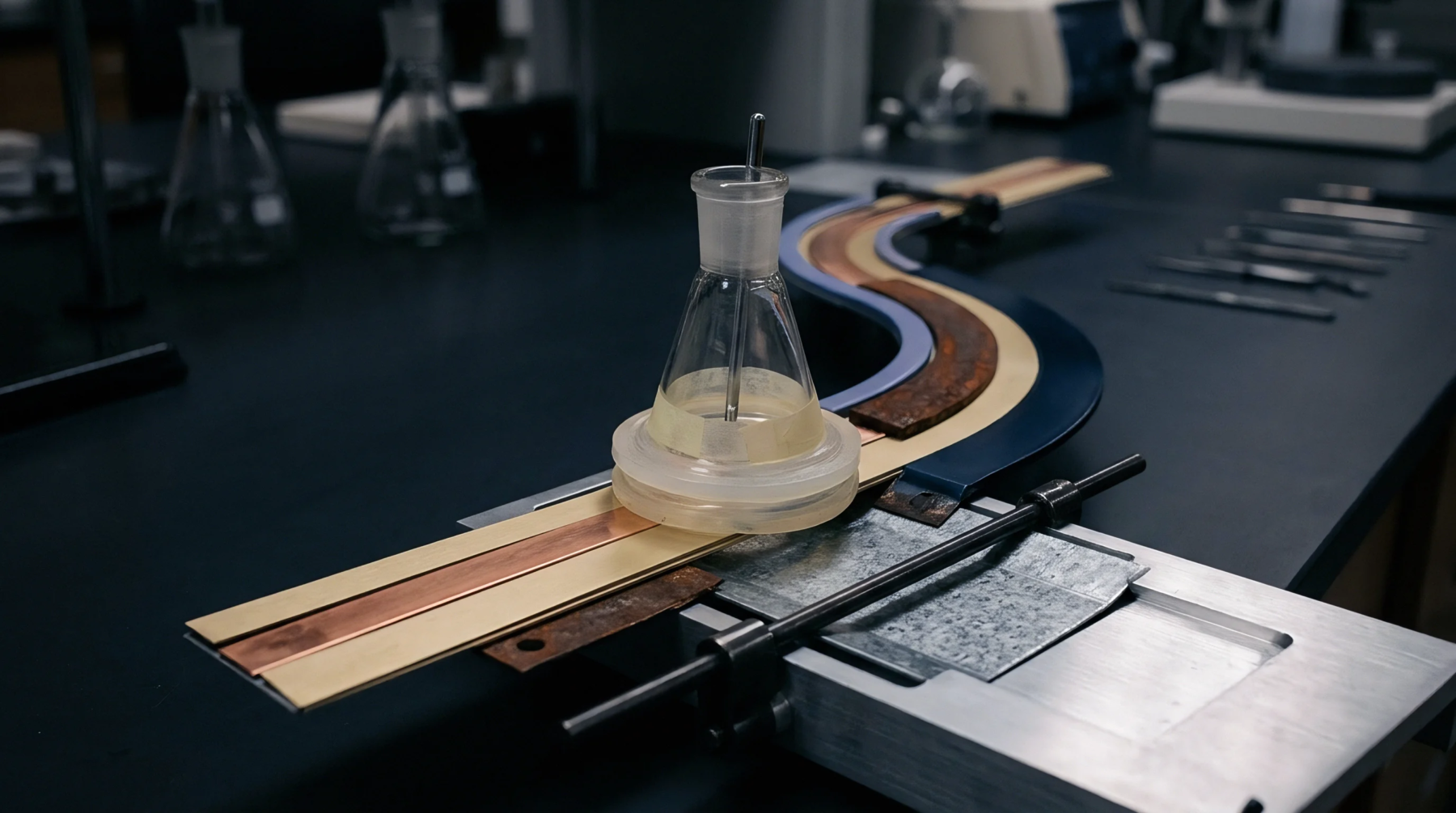
Optimizing boron doping concentrations between 10¹8 and 10¹⁹ cm⁻³ balances high piezoresistive gauge factors with manageable temperature coefficient drift.

Dual-implant boron-phosphorus profiles achieve zero-crossing TCR at 3.5e19 cm^-3, suppressing piezoresistive thermal drift to 12 ppm/K.
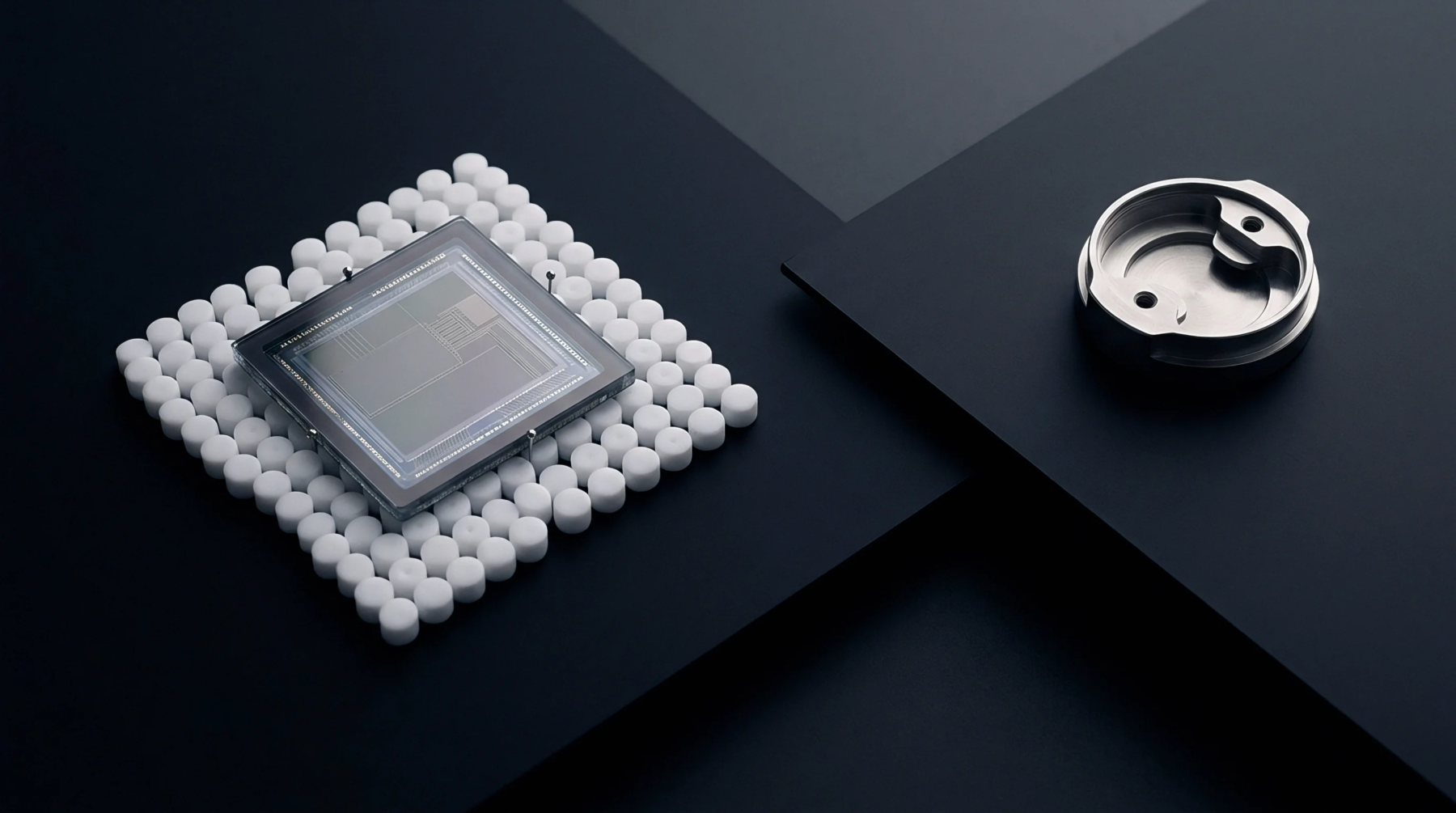
Optimizing piezoresistive sensor wafers requires targeting acceptor doping between 1x10^18 and 3x10^18 cm^-3 to balance gauge factor against thermal drift.
Expertise is a utility, not a secret. sentiention™ publishes its working knowledge as open reference: intelligence layer covering the materials it sources, the markets it enters, and the reference that serves both.