Stress Reduction
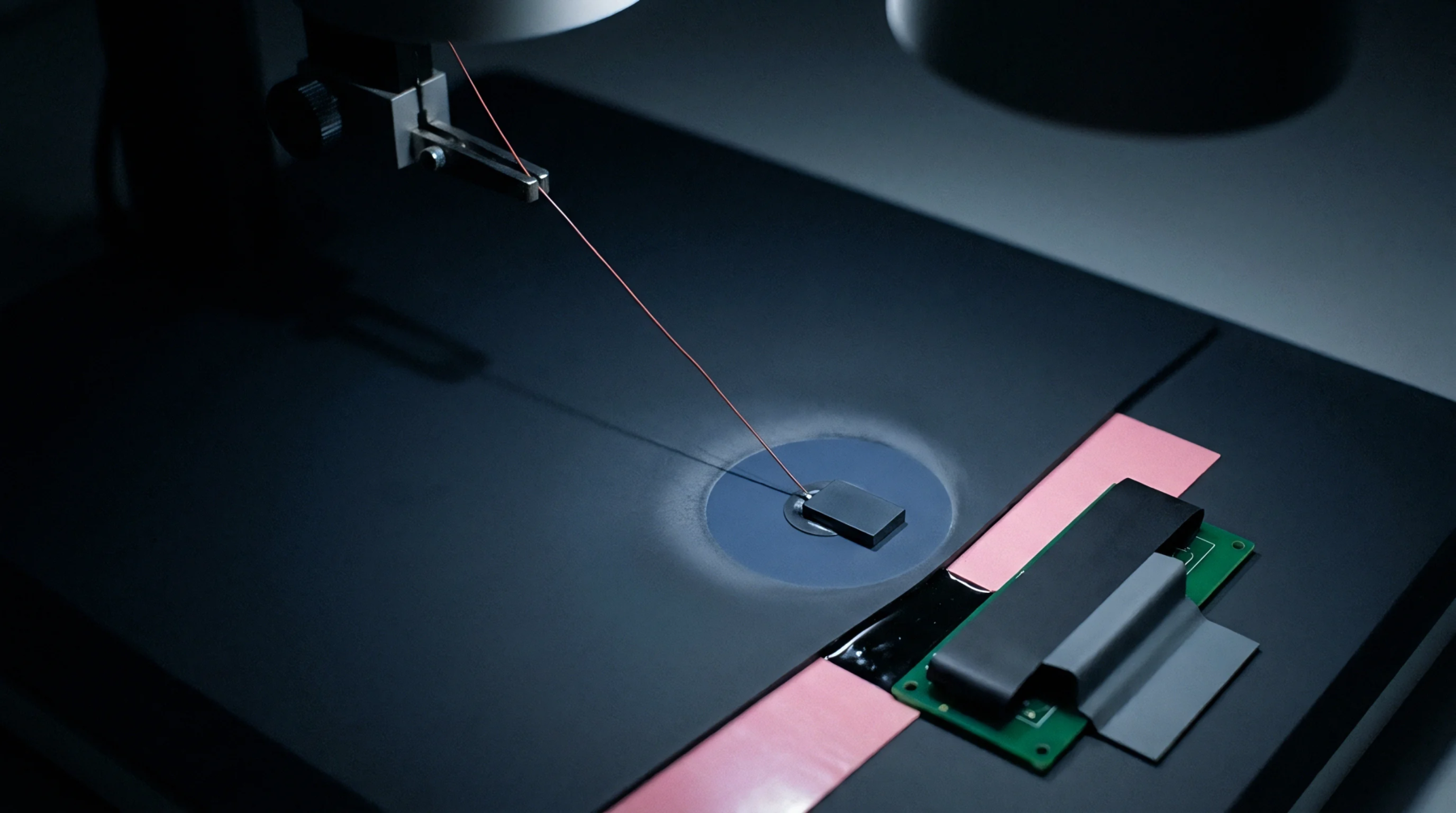
Physical voids routed into printed circuit boards restrict the transmission of stress and thermal energy between adjacent electronic components. An engineer creates a mechanical isolation slot to prevent delicate micro-electro-mechanical sensors from being affected by board flexing. This physical separation prevents external loads from distorting the sensitive silicon elements.
Structural Design
The slot is typically routed through the entire thickness of the circuit board around three sides of the sensor. This creates a cantilevered tab that supports the sensor while isolating it from board stresses. The width of the slot must be sufficient to prevent debris from bridging the gap.
Thermal Barrier
In addition to mechanical isolation, the slot acts as a barrier to heat transfer. Heat generated by high-power components on the board cannot easily migrate to the sensor, reducing thermal drift and calibration errors. This thermal separation is especially important for temperature-sensitive transducers.
Manufacturing Limit
Implementing these routed features requires careful consideration of the structural integrity of the circuit board. If too many slots are routed, the board can become too fragile for automated assembly machines or field handling. Engineers must verify that the remaining board area can withstand the mechanical insertion forces of connectors and mounting screws.
This validation ensures the board remains durable under field conditions.