Environmental Boundary
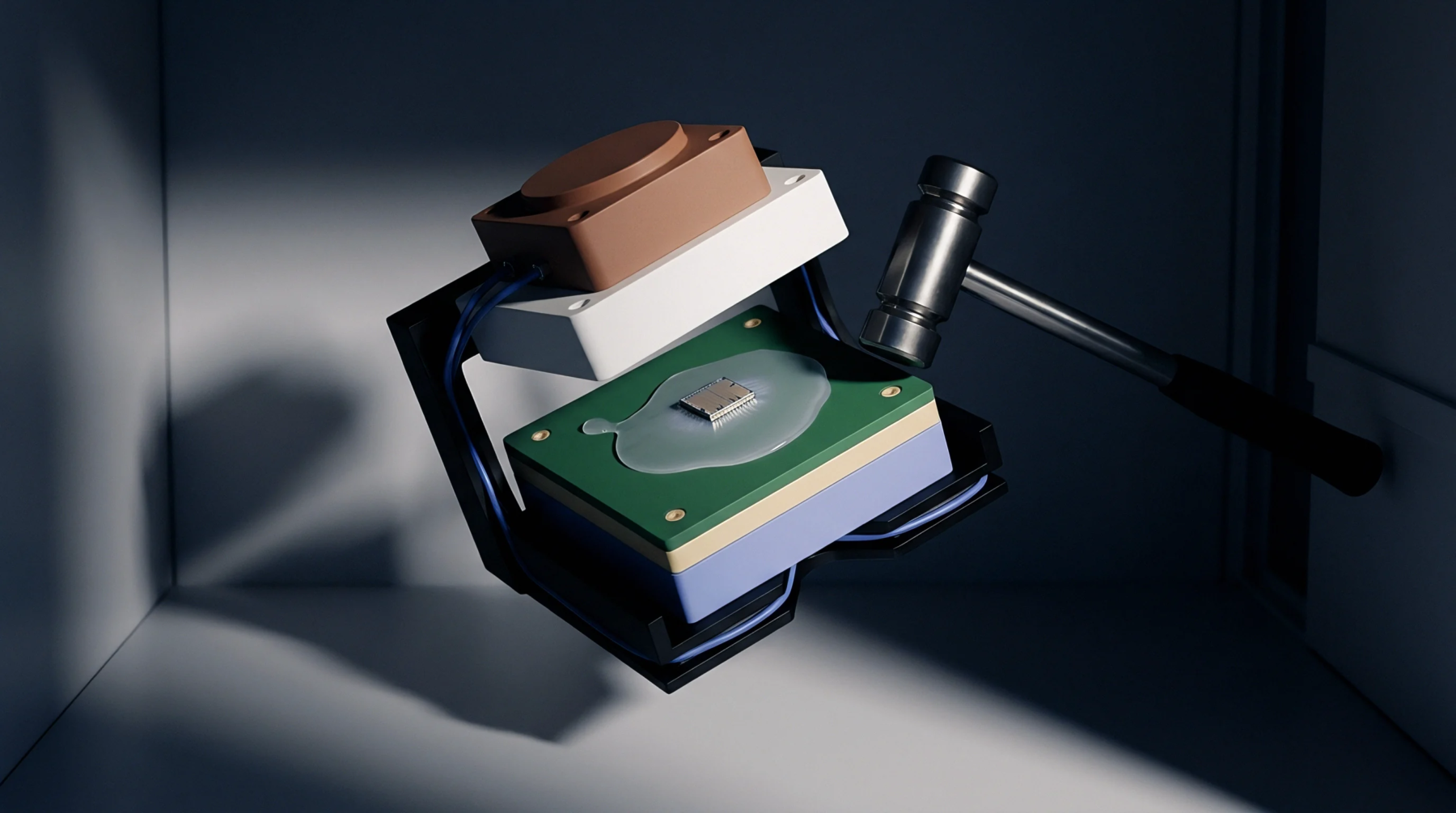
Temperature and humidity severity defines the operating envelope for automotive electrical assemblies. Within testing schedules, ISO 16750-4 governs the procedures applied to components mounted throughout passenger vehicles. Environmental stress screening subjects samples to thermal shocks, salt spray exposure, and cyclic damp heat.
Protection against climatic loads stops where powertrain cooling loops supersede ambient management. Qualification protocols verify housing integrity and internal circuit performance under extreme climatic shifts. Calibration drift during exposure indicates mechanical failure or material degradation.
Thermal Severity
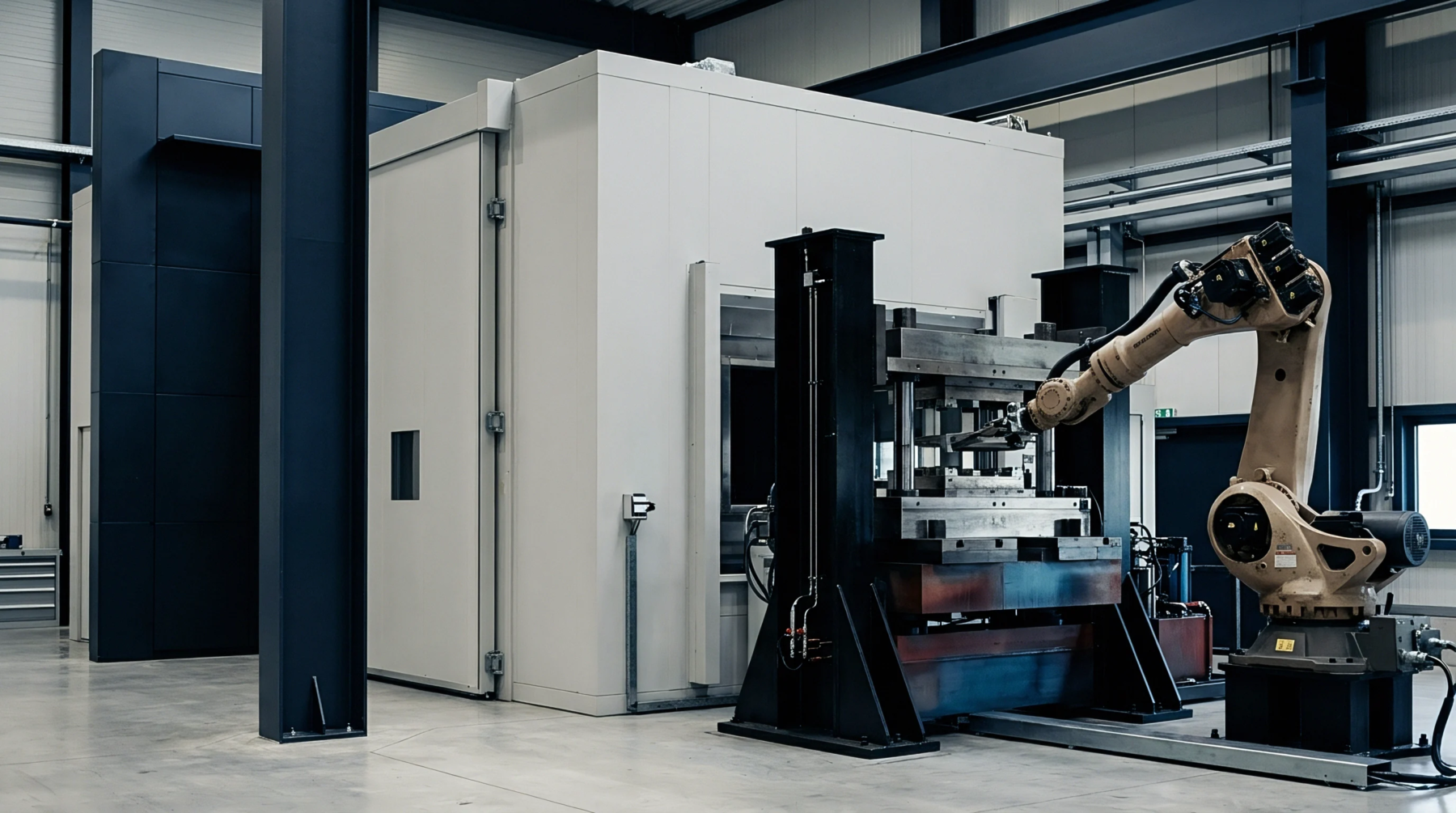
Chamber controllers regulate ramp rates during high temperature soak cycles. Resistance heaters drive internal ambient air upward while thermocouples log package temperatures. Solder joint fatigue accelerates when coefficients of thermal expansion mismatch between substrates and housings.
Signal attenuation grows observable if semiconductor junction temperatures exceed specified thresholds.
Moisture Dynamics
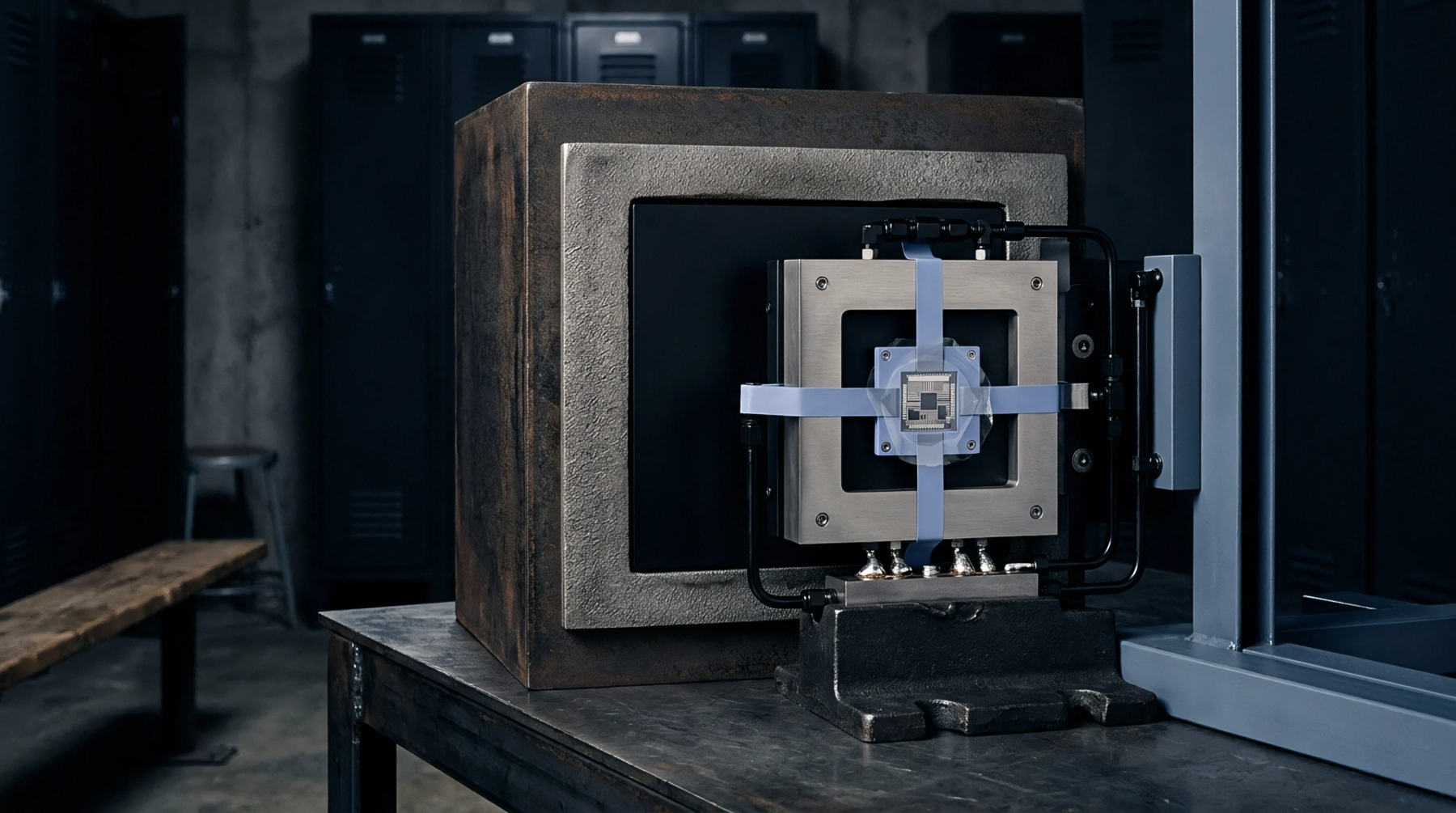
Condensation chambers cycle relative humidity to force moisture ingress through gaskets and connector seals. Permeation rates depend on vapor pressure differentials across polymeric barriers. Dielectric breakdown occurs when water films bridge adjacent conductor paths on printed circuit boards.
Mechanical Endurance
Vibration tables superimpose thermal profiles onto sinusoidal displacement sweeps. Fixture resonance distorts input spectra if mounting brackets lack sufficient stiffness. Accelerometers mounted near the specimen verify actual transferred energy against programmed control profiles.
Accelerated aging protocols provide empirical data for warranty estimations and design margins.