Thermal Isolation
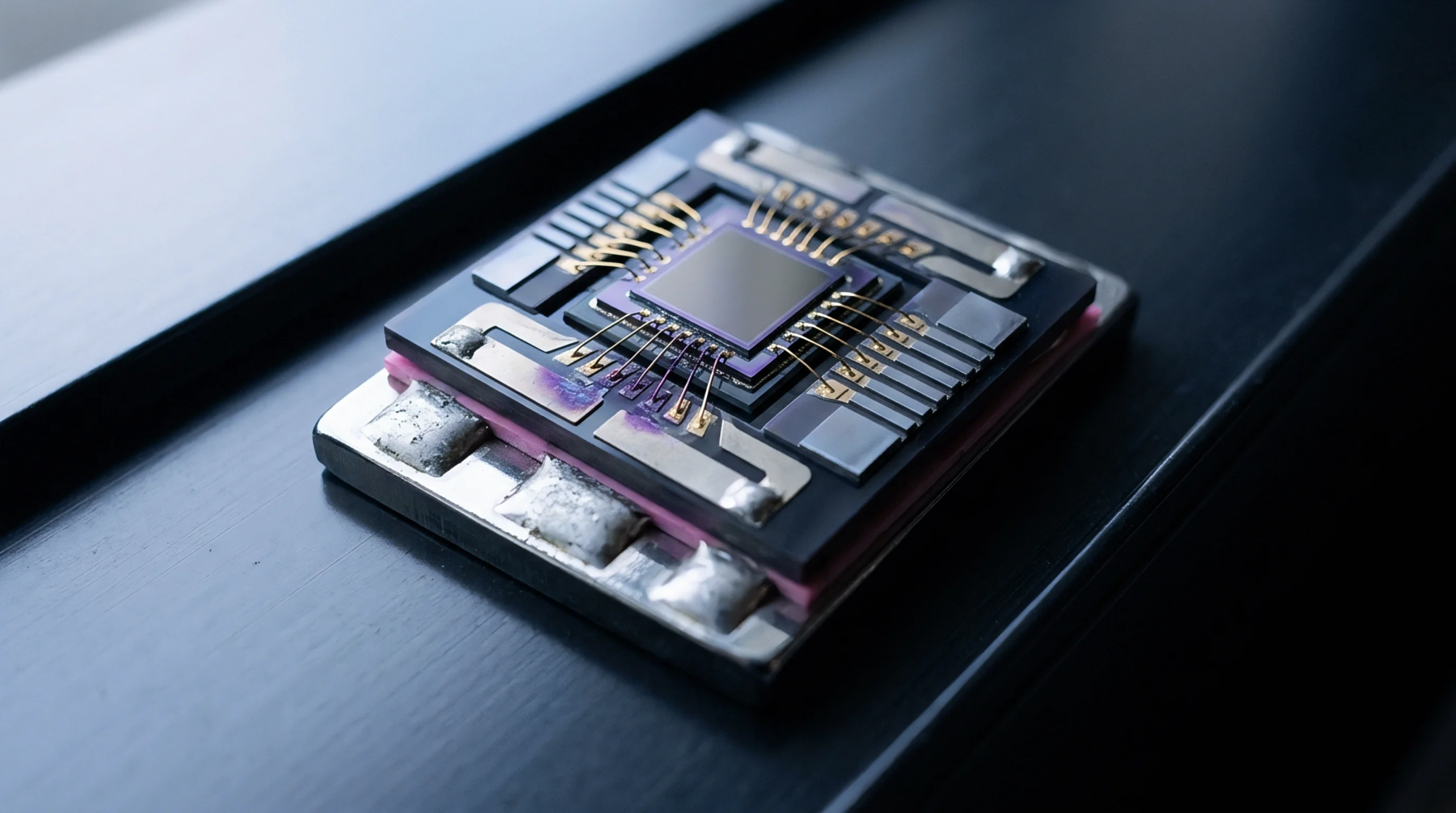
Hermetic housing prevents environmental degradation of sensing elements exposed to internal temperatures exceeding 300 degrees Celsius. High temperature sensor packaging maintains structural integrity when thermal expansion coefficients of disparate metallic and ceramic substrates diverge during rapid cycling. Precise selection of brazing alloys and glass-to-metal seals ensures gas tightness over operational life cycles.
Material Compatibility
Die attach adhesives provide mechanical bonding between the transducer and the base plate while minimizing outgassing risks in vacuum or pressurized environments. High temperature sensor packaging utilizes noble metal plating to resist oxidative scaling at contact points. Ceramic housings or high-alumina substrates offer dielectric strength that remains stable under constant electromagnetic interference.
Calibration Drift
Metrological verification occurs against a reference standard furnace maintained at specified plateau temperatures to isolate electronic offset from thermal strain. High temperature sensor packaging minimizes sensor drift by decoupling the active element from structural stress through flexible leads or floating mount configurations. Sensitivity loss often results from chemical migration between layers when operating temperatures shift outside design boundaries.
Qualification Protocol
Standardized testing procedures define validation metrics for electronic hardware according to international protocols regarding shock, vibration, and thermal fatigue. Verification of high temperature sensor packaging proceeds through cycling tests that correlate expansion mismatches with signal attenuation. Accelerated life assessment provides the empirical data required to certify device reliability in harsh industrial conditions.