Corrosion Resistance
A nickel-molybdenum-chromium superalloy resists corrosion and pitting in highly aggressive chemical environments. Pressure sensor diaphragms made from hastelloy c-276 withstand exposure to wet chlorine gas, hydrochloric acid, and sour gas. This alloy maintains its integrity where stainless steel would quickly corrode and fail.
Mechanical Strength
The high tensile strength of this material allows for the fabrication of extremely thin diaphragms that remain elastic under high pressures. This strength ensures that the diaphragm can deform repeatedly without suffering from fatigue or permanent deformation. This mechanical durability is essential for sensors that must operate continuously in high-cycle applications.
Diaphragm Performance
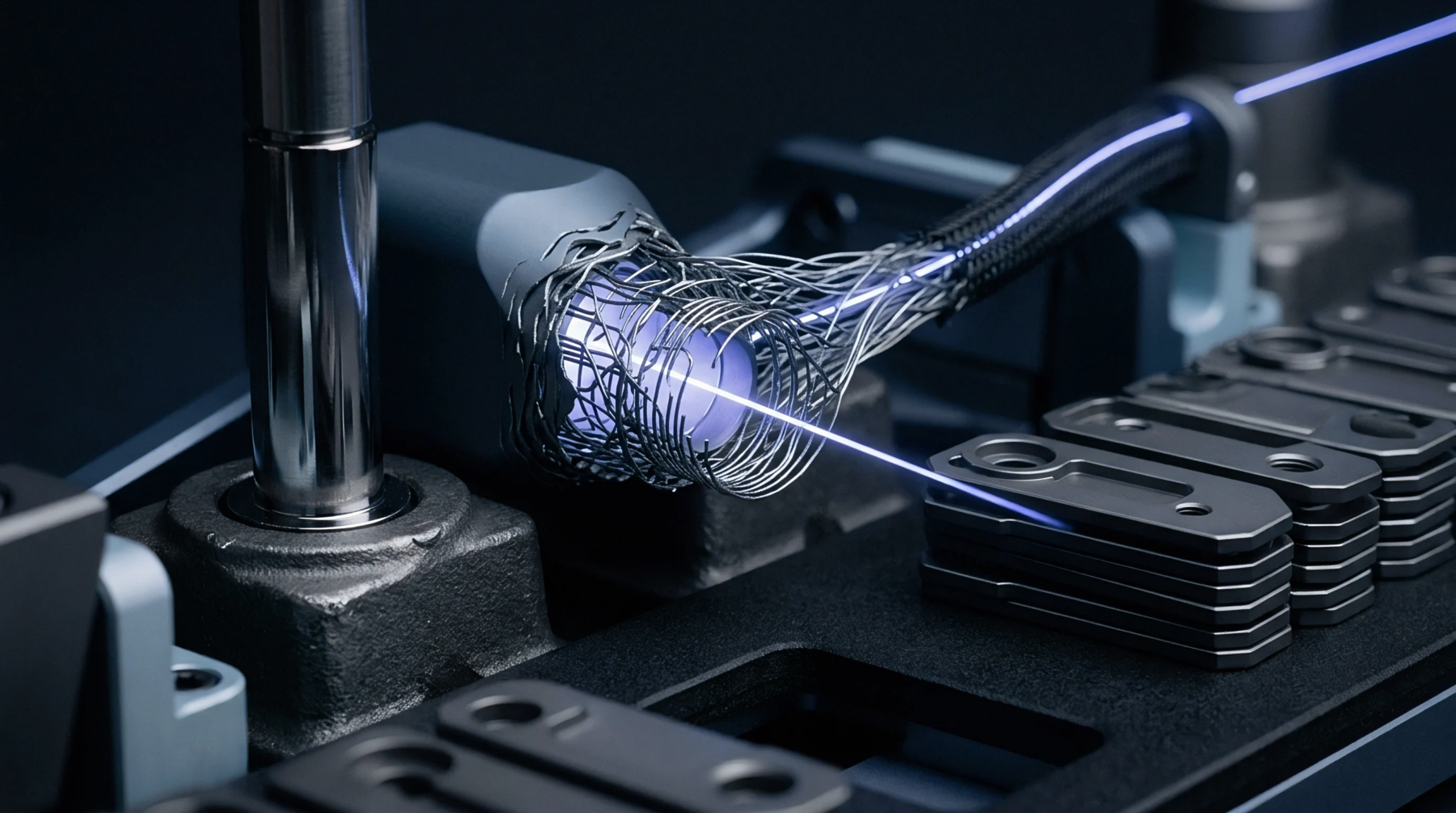
Thin foils of this alloy must be welded to the sensor body using precision laser techniques to prevent heat-affected zone corrosion. If the welding process is not carefully controlled, the corrosion resistance of the material can be compromised at the joint, leading to premature failure. When done correctly, the weld remains as durable as the parent metal, securing the internal fill fluid from contamination and maintaining a perfect hermetic seal over years of operation.
Industrial Uses
Chemical processing plants and offshore oil platforms rely on transmitters made from this material to monitor pressure in highly corrosive flow lines. By resisting the corrosive effects of salt water and sour crude, these instruments require less frequent replacement and maintenance. This reliability translates directly to lower operating costs and less downtime for the process plant.