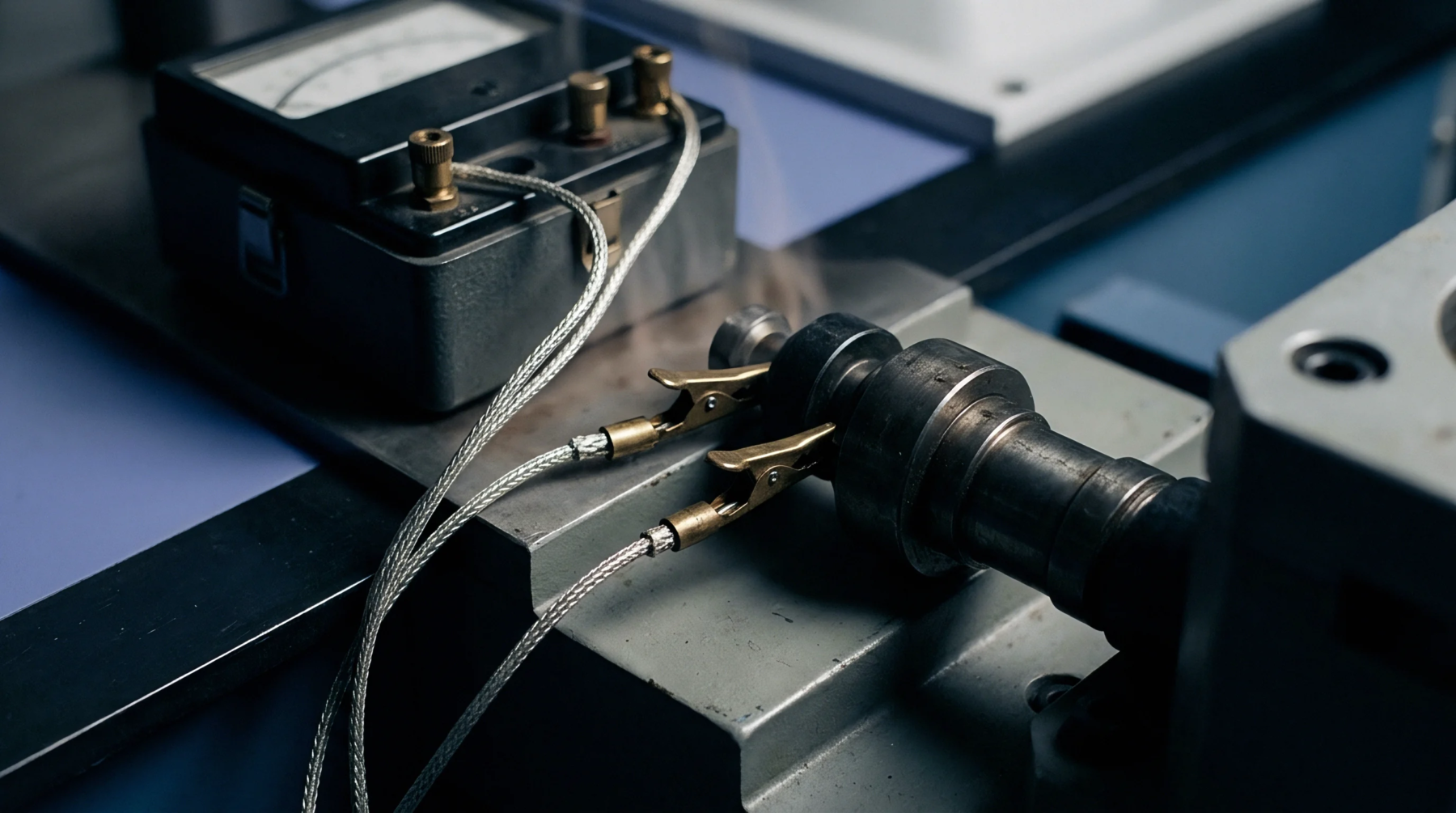
Calibration Adjustment
Reference procedures that correct the baseline output of a measurement system ensure that the sensor reads zero when the input variable is zero. The process of zero point trimming is the electronic or digital adjustment of the sensor output to eliminate any initial offset or bias. This calibration step is performed before the device is shipped to the customer and is verified using reference standards.
It ensures that the measurement scale starts at the correct starting point.
Sensor Drift
Mechanical stresses, aging of components, and environmental changes can cause the zero level to shift over time. If zero point trimming is not performed periodically, this drift will introduce a systematic offset error that affects the accuracy of all subsequent measurements. This shift is particularly critical in high-accuracy scale and pressure transmitter applications.
Trimming Method
Modern digital sensors execute this adjustment by storing a correction offset in non-volatile memory. In analog sensors, the adjustment is made by adjusting a potentiometer or laser-trimming a resistor network on the sensor board. This change permanently modifies the signal gain or offset of the signal conditioning circuit.
Calibration Frequency
High-precision systems require this trimming to be performed before every measurement cycle to cancel out local temperature changes. This automated process ensures the highest repeatability and accuracy of the measurement data.