Component Uniformity
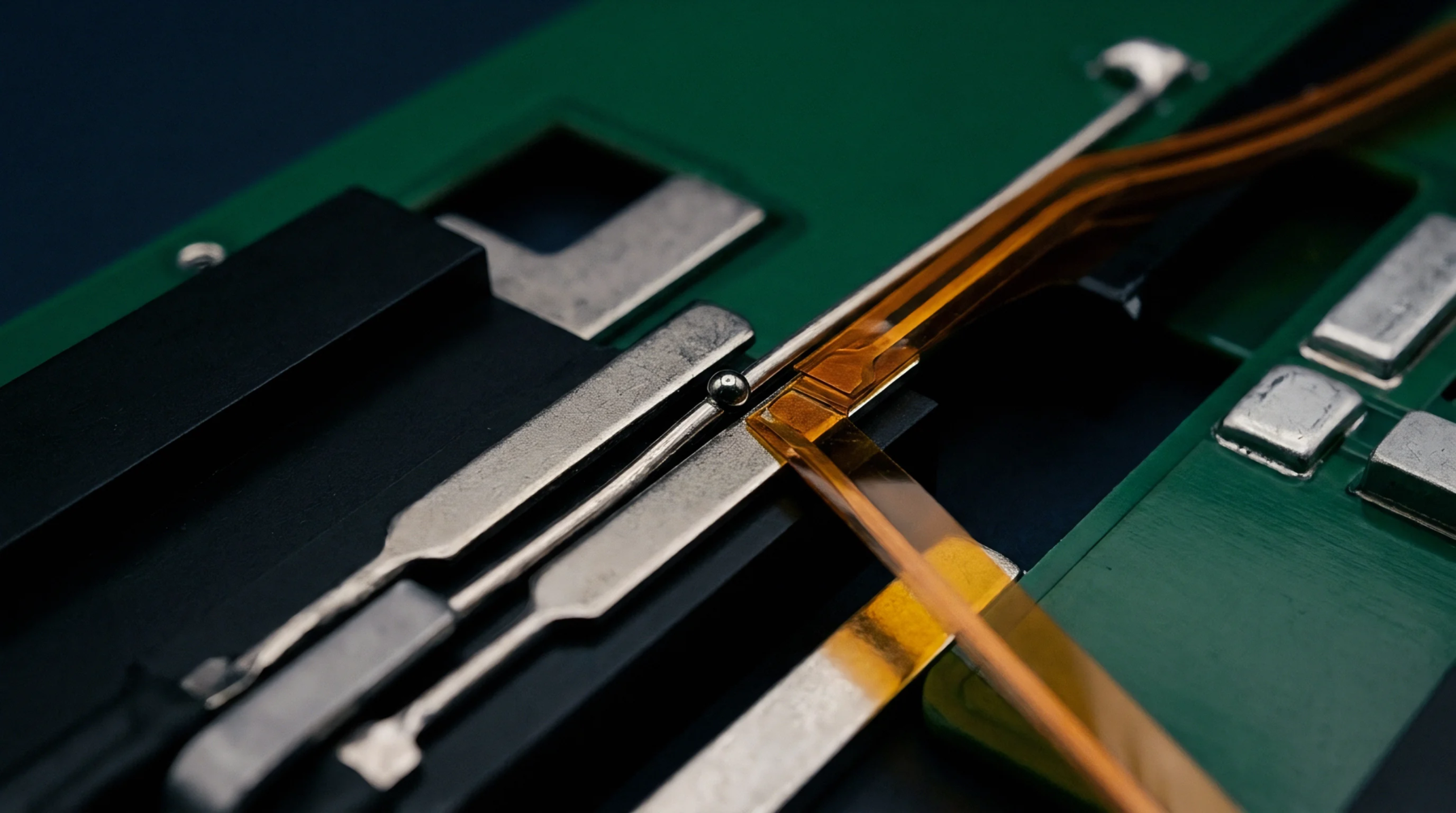
Manufacturing techniques co-depose multiple resistive elements on a single substrate to achieve nearly identical electrical and thermal characteristics. This thin-film resistor matching ensures that the ratio between resistor values remains extremely stable, even when environmental temperature fluctuations cause the individual resistances to shift. This technique is vital for high-precision analog circuits where ratio accuracy is far more important than the absolute value of any single resistor.
The resulting pairs are used in precision dividers and gain-setting networks.
Thermal Tracking
Layout designs place the matched resistors close together and in interdigitated configurations to minimize localized thermal gradients across the silicon die. When implementing thin-film resistor matching, designers align the elements along the same crystallographic axis to avoid piezo-resistive offset effects during board mounting. This careful layout ensures that any temperature change affect both resistors equally, keeping the drift of the ratio to less than one part per million per degree Celsius.
Laser Trimming
Ablation processes adjust the resistive material using a laser to tune the ratio to extremely tight tolerances during fabrication. This process allows manufacturers to achieve ratio match accuracies of better than 0.01 percent.
Metrology Calibration
Precision digital multimeters verify the resistance ratios using ratiometric measurement techniques to eliminate thermal electromotive forces. These instruments are calibrated against standard reference resistors to maintain traceability.