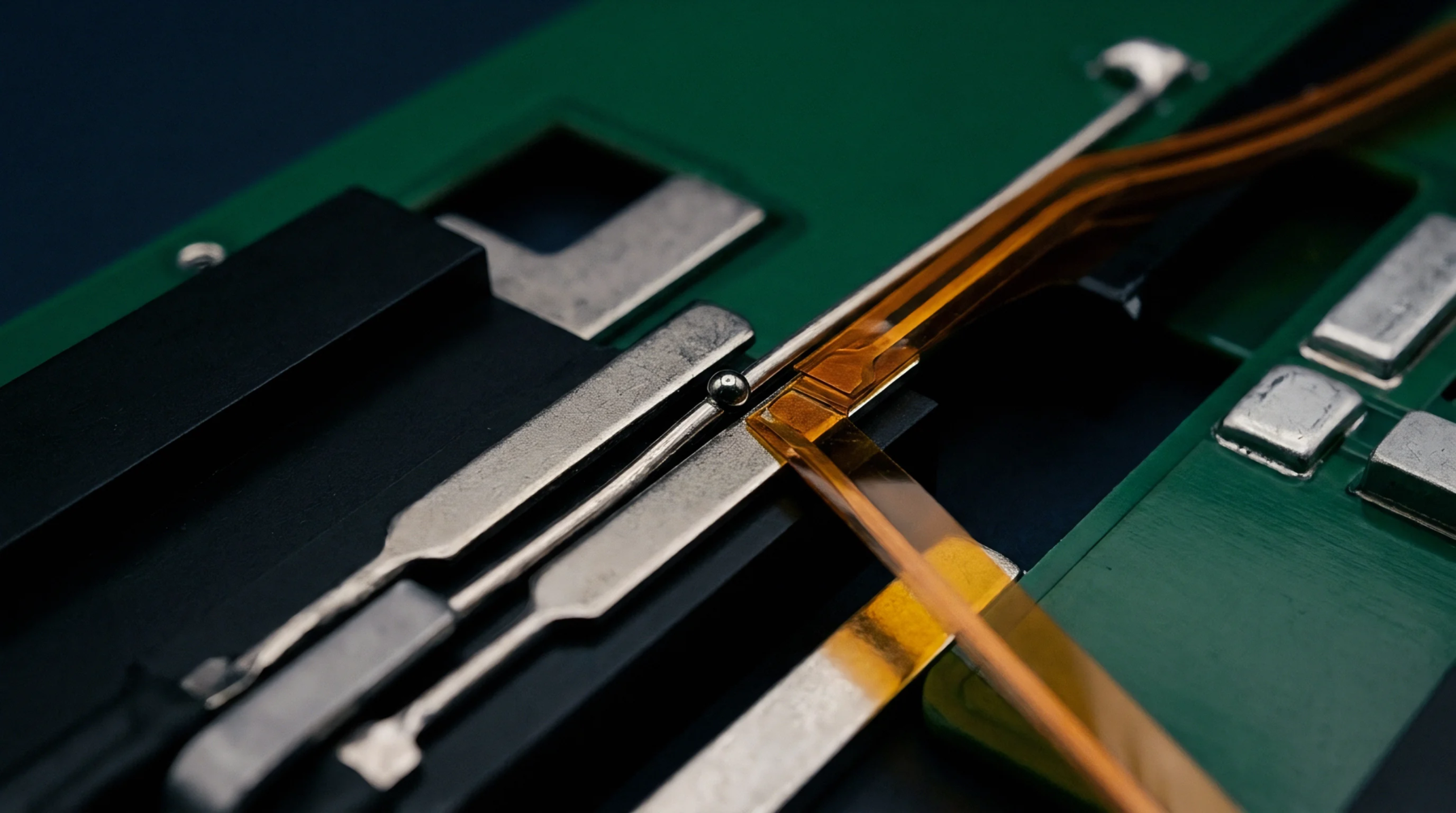
Thermal Sensitivity
Measurement errors are quantified by the rate at which an electrical value changes for every degree of ambient shift. A low temperature coefficient tempco indicates that a resistor or voltage reference stays stable regardless of whether the environment is cold or hot. This parameter is typically expressed in parts per million per degree Celsius.
Calculation Basis
Predicted drift allows engineers to determine the total error budget over the operating range of an instrument. When a component has a high temperature coefficient tempco, the output varies predictably in a straight line or parabola as energy is added. Designers combine opposing positive and negative coefficients to cancel out the total shift.
System Accuracy
Stable outputs depend on selecting parts where this variation is lower than the desired bit depth of the sensor. If the temperature coefficient tempco exceeds the tolerance of the system, readings taken in a winter warehouse will fail to match those taken in a summer desert. High grade medical equipment specifies coefficients below five parts per million.
Metrological Verification
Laboratory testing involves sweeping the hardware through an oven cycle while logging the precision output. Maintaining a flat temperature coefficient tempco ensures that no user adjustment is required when the equipment moves from calibration at standard conditions to field operation. Quality certificates list this verified rate as a mark of component grade.