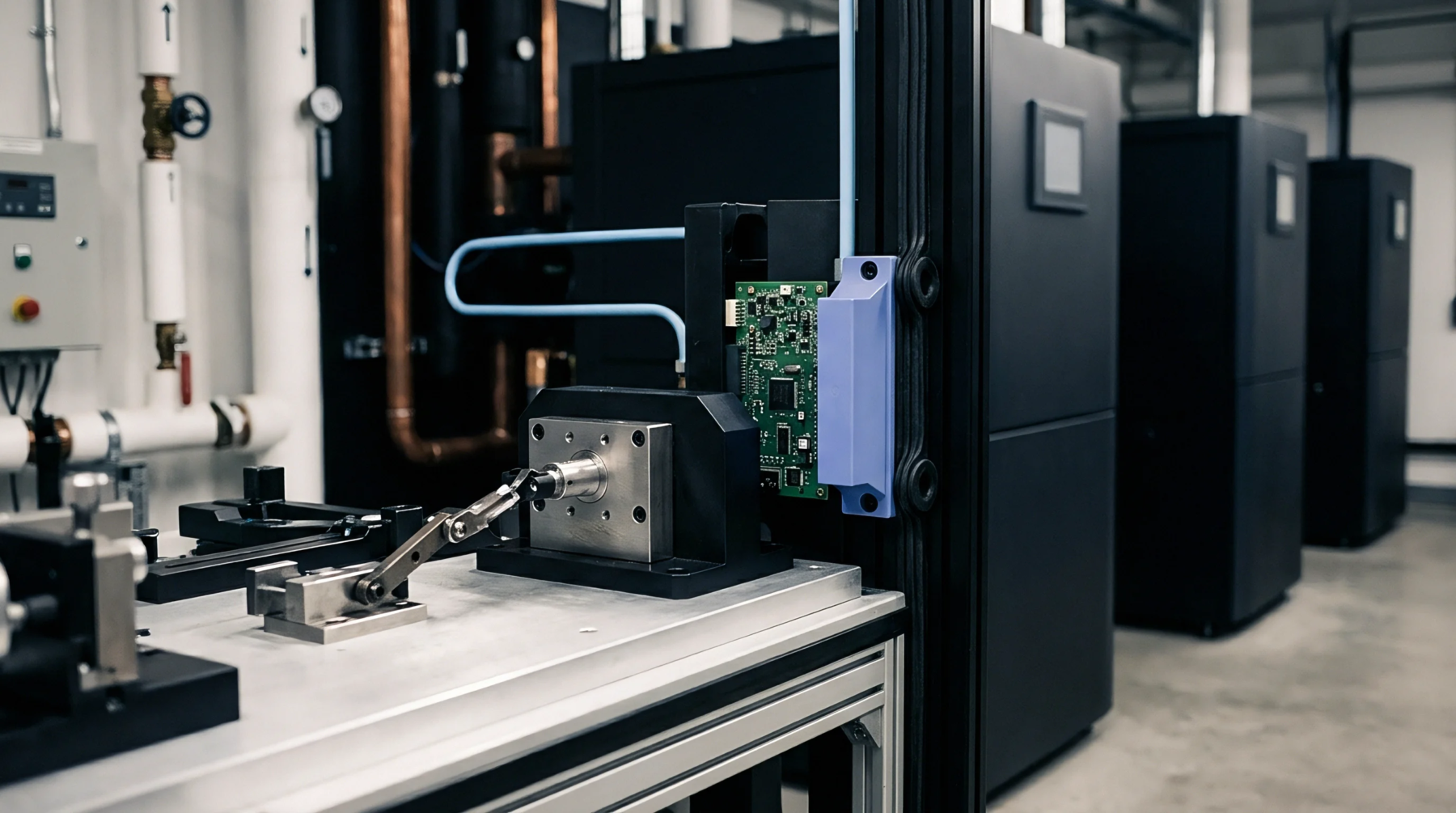
Impact Instrument
Experimental apparatus designed to measure the high strain rate mechanical properties of materials under impact loading establishes dynamic stress strain curves. Utilizing a split hopkinson pressure bar allows materials scientists to subject specimens to strain rates exceeding one thousand per second. This diagnostic system uses elastic wave propagation in metallic bars to infer the forces acting on the specimen.
Test labs use this methodology to qualify materials for crashworthiness and armor applications.
Stress Analysis
During a typical test run, a striker bar impacts the incident bar to generate a longitudinal compressive strain pulse. As the pulse reaches the specimen mounted on the split hopkinson pressure bar, part of the wave reflects back and part transmits through to the transmitter bar. Strain gauges bonded to both bars capture these wave histories as high-frequency electrical signals.
Processing these signal histories yields the dynamic stress, strain, and strain-rate histories within the test material.
Specimen Calibration
Accuracy in these high-velocity measurements requires precise alignment of the impact bars. If the bar axes are not perfectly collinear, the stress pulse deforms, introducing errors into the computed strain histories. Standard calibration procedures require verifying bar alignment using laser trackers.
Strain Boundary
The operational limits of this impact test are governed by the yield strength of the bar material. When the impact velocity generates a pulse that exceeds this yield point, the bars undergo plastic deformation, which invalidates the elastic wave equations used to calculate specimen stress.