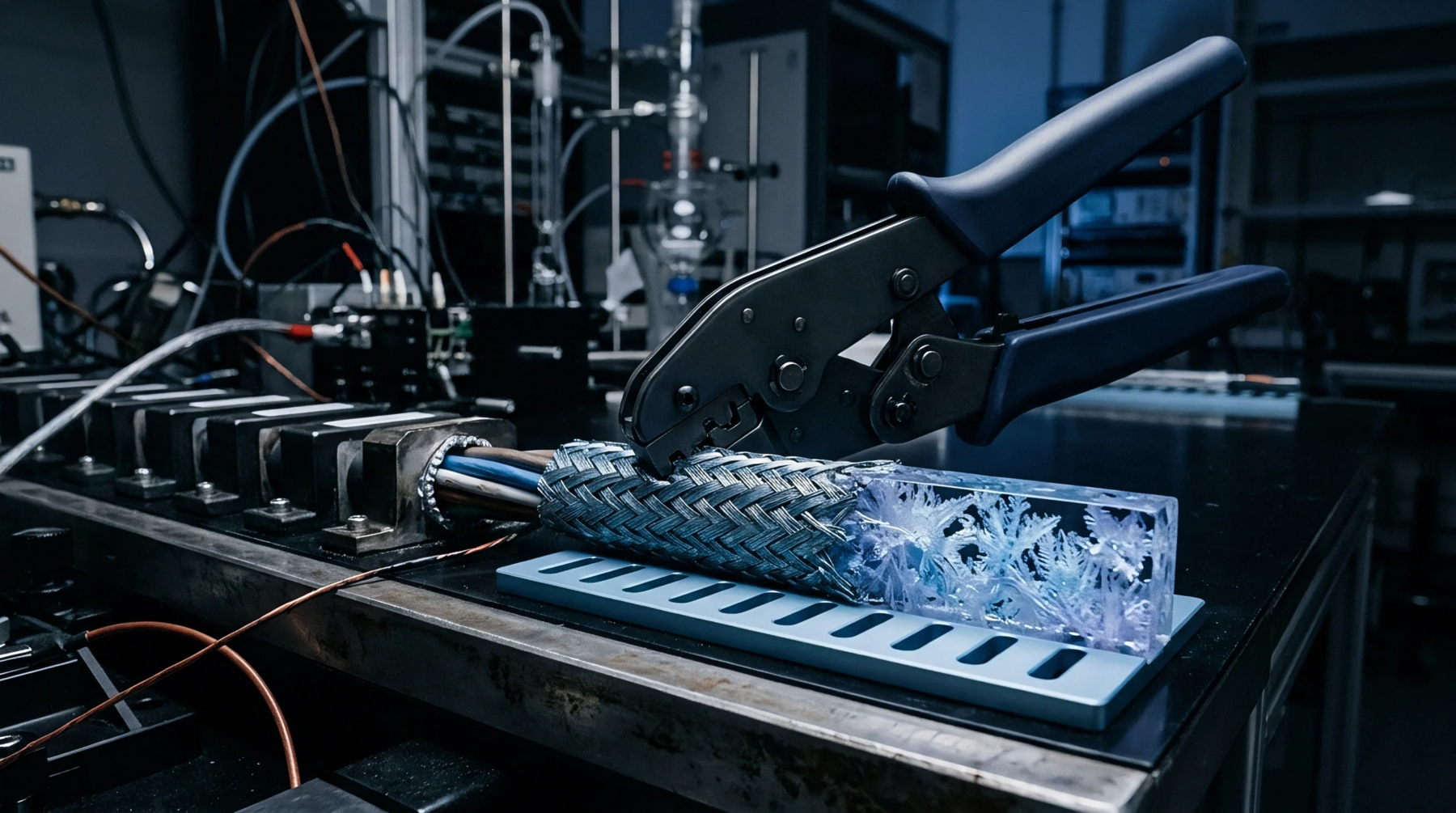
Thermal Influence
Metrological errors occur when the output of a measurement device changes over time while the input remains at a constant zero value. In precision instrumentation, sensor zero drift is often caused by environmental factors like temperature fluctuations or the aging of internal components. This shift results in a persistent offset that must be corrected to maintain the accuracy of the readings.
It is a primary indicator of the long term stability of a sensing system.
Offset Deviation
Changes in the ambient temperature often cause the electronic circuits or the sensing element to expand or contract, altering the electrical balance. Sensor zero drift is frequently specified in terms of the offset change per degree of temperature. High quality instruments include internal compensation to counteract this effect, but some residual drift usually remains.
In a pressure transducer, for example, a small temperature shift might change the output signal even when no pressure is applied.
Calibration Routine
Maintenance schedules include regular checks to identify and nullify any accumulated offset. To measure sensor zero drift, the technician places the device in a controlled environment with no input and records the output over a set period. If the drift exceeds the specified tolerance, the device must be recalibrated or replaced.
Sophisticated systems perform an automatic zeroing procedure at startup or during idle moments to ensure the baseline remains correct. This practice is essential for sensors used in critical safety applications where a false reading could have severe consequences.
Stability Limit
Manufacturers define the maximum allowable drift over the lifetime of the product. This specification helps users decide when the sensor is no longer reliable for high precision work.