Sensitivity Limit
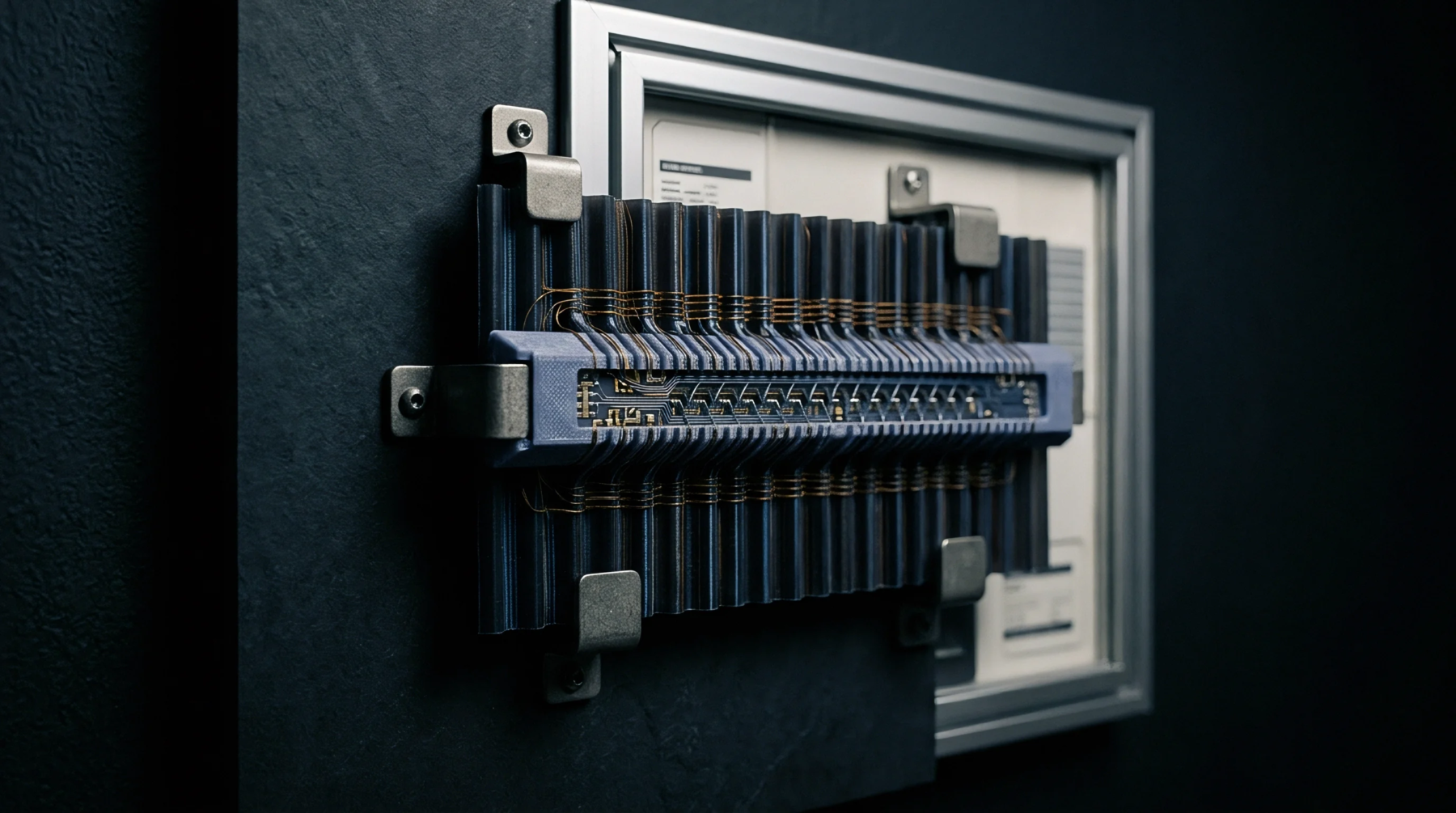
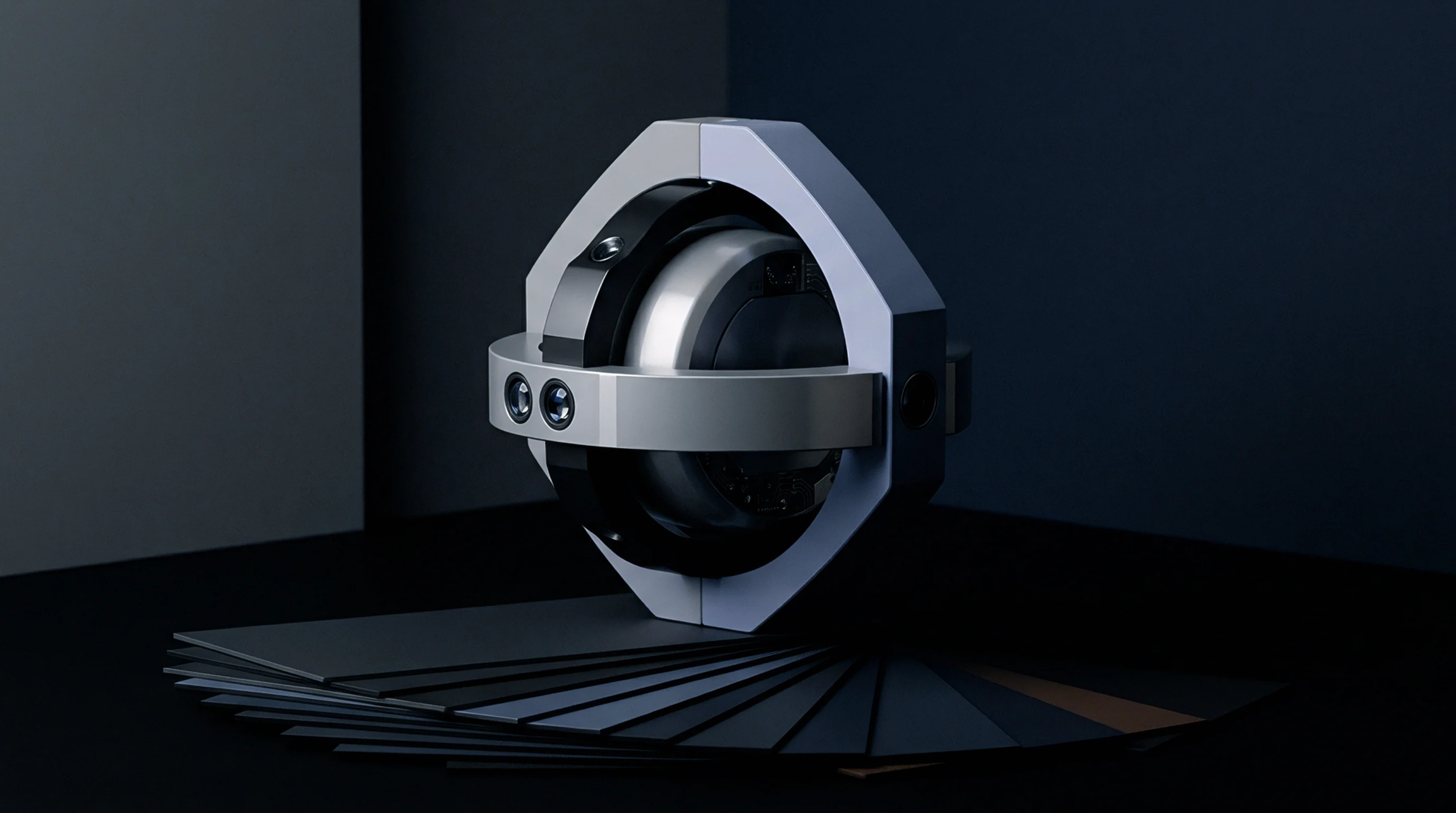
Baseline output fluctuations produced by internal electronic and physical mechanisms establish the smallest readable signal of a measurement device. Thermal agitation of charge carriers and flicker noise generate random voltage variations regardless of external input. Sensor noise floor defines the fundamental threshold below which real physical stimulus cannot be distinguished from internal signal noise.
Instrument datasheets express this boundary as power spectral density or root-mean-square noise over defined measurement bandwidths.
Spectral Distribution
Johnson-Nyquist thermal noise and semiconductor flicker noise combine to form the total background electronic output. Sensor noise floor dictates maximum achievable signal-to-noise ratio in low-amplitude measurement applications.
Metrological Limit
Qualification of high-precision accelerometers and pressure transducers requires measuring background output in acoustically and mechanically isolated test vaults. Operating an instrument near its sensor noise floor introduces measurement uncertainty that degrades calibration confidence intervals. Amplifier noise and analog-to-digital converter quantization error add secondary noise components to the primary sensor element output.
Signal averaging techniques reduce uncorrelated white noise over time, but flicker noise dominates at low frequencies, creating an inescapable drift floor. Laboratory calibration certificates report the integrated noise value within specified frequency windows, allowing system integrators to compute true measurement resolution.
Environmental Boundary
Elevated operating temperatures increase thermal electron excitation, raising baseline noise levels proportionally to absolute temperature. Exceeding nominal thermal limits lifts the sensor noise floor above specified tolerance thresholds. Shielding against electromagnetic interference prevents external electric fields from artificially elevating the intrinsic baseline noise of sensitive sensing systems.