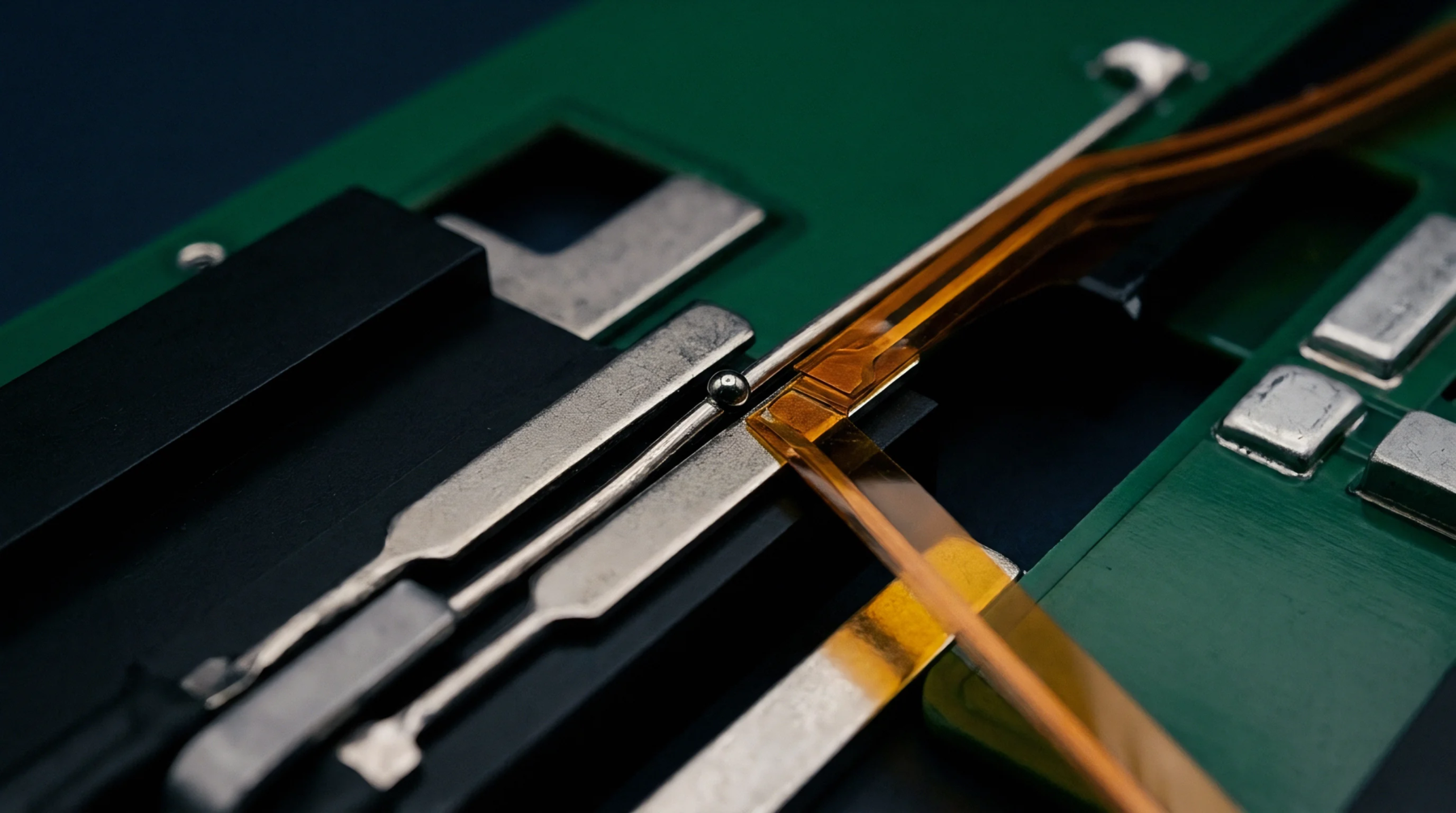
Thermal Elevation
Temperature changes induced within a sensing element by the electric current flowing through it during measurement introduce errors in the output signal. This phenomenon, known as self-heating drift, elevates the internal temperature of the sensor above the ambient value. Such skewing causes false readings.
Excitation Current
Limiting the voltage or current applied to the transducer minimizes the electrical power dissipated as heat in the resistor. When high currents are used to increase the signal-to-noise ratio, the self-heating effect becomes more pronounced. A pulsed excitation technique reduces this thermal load.
Dissipation Constant
The physical environment surrounding the sensor dictates how rapidly the generated heat is carried away by conduction or convection. In still air, the rate of heat removal is much lower than in moving liquid, which directly alters the magnitude of the thermal drift. Mounting the sensor to a conductive metal heat sink provides a path of low thermal resistance that prevents heat buildup.
This mounting choice represents the primary defense against localized thermal stagnation.
Accuracy Recovery
Calibration routines must incorporate mathematical corrections or wait for the system to reach thermal equilibrium before recording data. Subtracting the calculated temperature rise from the raw reading restores the measurement accuracy. This step is essential in high-precision laboratory thermometry.