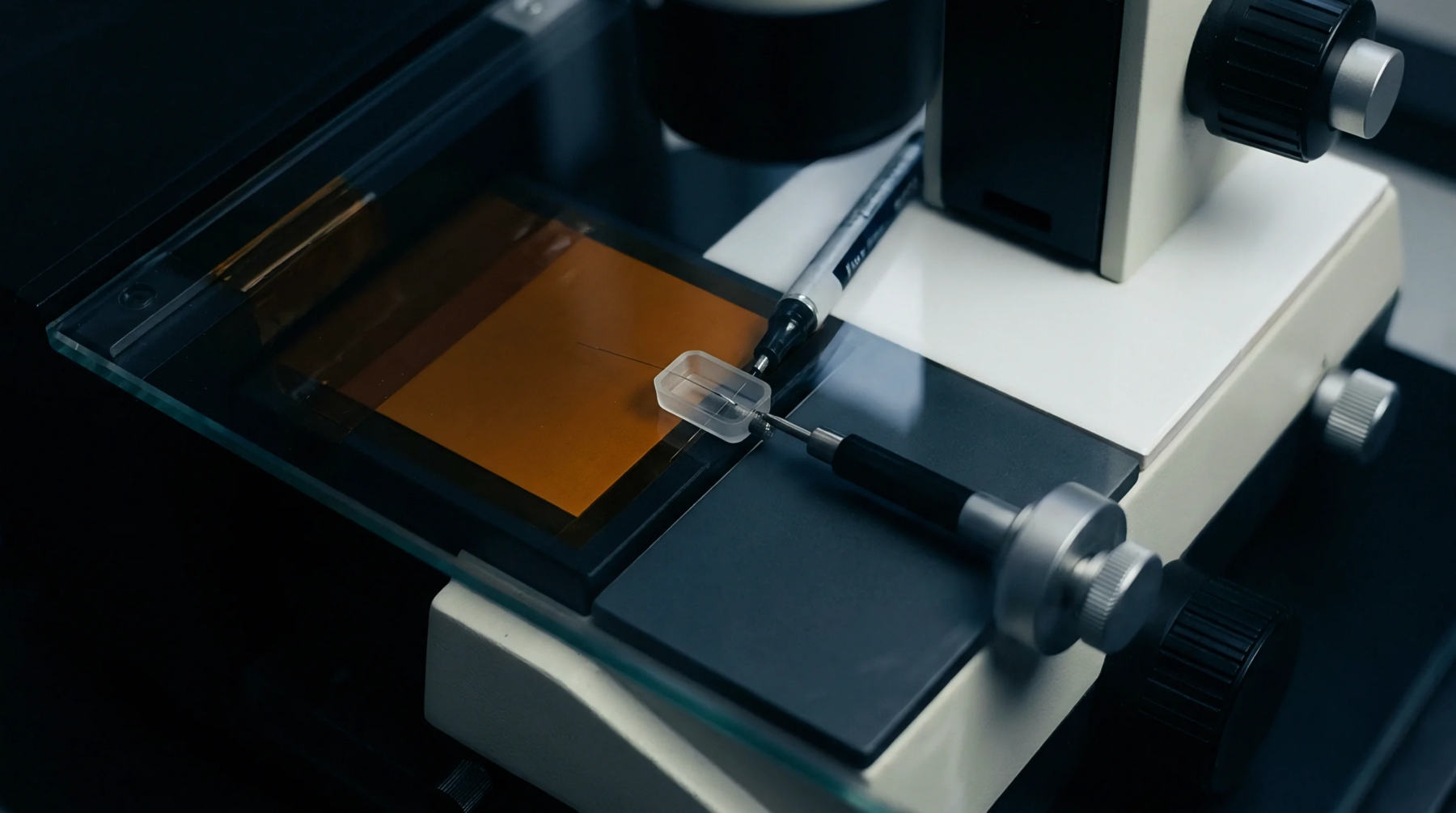
Thermal Displacement
Thermally induced variance during the heating cycle of an assembly process defines the deviation between the planned solder paste position and the final solidified joint location. Reflow drift occurs when non-uniform heat distribution across the printed circuit board causes localized substrate expansion or contraction. This mechanical shift moves pads away from their coordinates relative to the component terminations.
Designers account for this effect by defining solder mask defined pads or by increasing copper land size to maintain joint integrity during extreme thermal gradients.
Control Limits
Performance benchmarks for assembly accuracy rely on measuring the displacement of individual components after they exit the cooling zone. Inspectors compare the post-reflow centroid of each part against the reference coordinate generated from the original computer aided design data. Manufacturers establish maximum allowable offsets based on the pitch of the device and the expected fillet size.
A failure to remain within these tolerances suggests that the oven profile requires adjustment to improve temperature uniformity across the conveyor width.
Material Response
Coefficient of thermal expansion mismatches between the epoxy glass substrate and the metallic components generate forces that move parts during the liquid phase of the solder alloy. As the furnace brings the board to peak temperature the base material expands at a rate determined by its resin content and glass transition properties. Heavy components resist this movement due to their mass while lighter parts shift more easily with the flowing paste.
Engineers utilize lower moisture content laminates to reduce the magnitude of this movement during the rapid heating phases of the soldering profile.
Process Verification
Metrological assessment of this phenomenon requires high resolution optical scanning of the board surface immediately after completion of the oven cycle. Technicians map the position of multiple fiducials to establish a global coordinate system that compensates for overall board warpage before calculating individual component errors. Measurement results identify patterns related to oven zoning or conveyor speed that contribute to repeated directional bias in the final assembly.
Sustained stability of the soldering process hinges on minimizing the time the solder remains in a liquid state while maintaining sufficient heat to form a reliable metallurgical connection.