Strain Generation
Thermally induced mechanical strain resulting from mismatched coefficients of thermal expansion across bonded housing materials generates structural forces within integrated sensor assemblies. Thermal management engineers quantify packaging thermal stress to prevent housing deformation from degrading instrument accuracy or causing mechanical delamination. Rigid bonds between silicon substrates and metal headers transmit differential expansion forces across interface boundaries as temperature changes.
These stresses distort sensing elements, causing baseline zero shifts and thermal sensitivity hysteresis. Extreme thermal cycling leads to fatigue cracking in solder joints or delamination of protective conformal coatings.
Measurement Verification
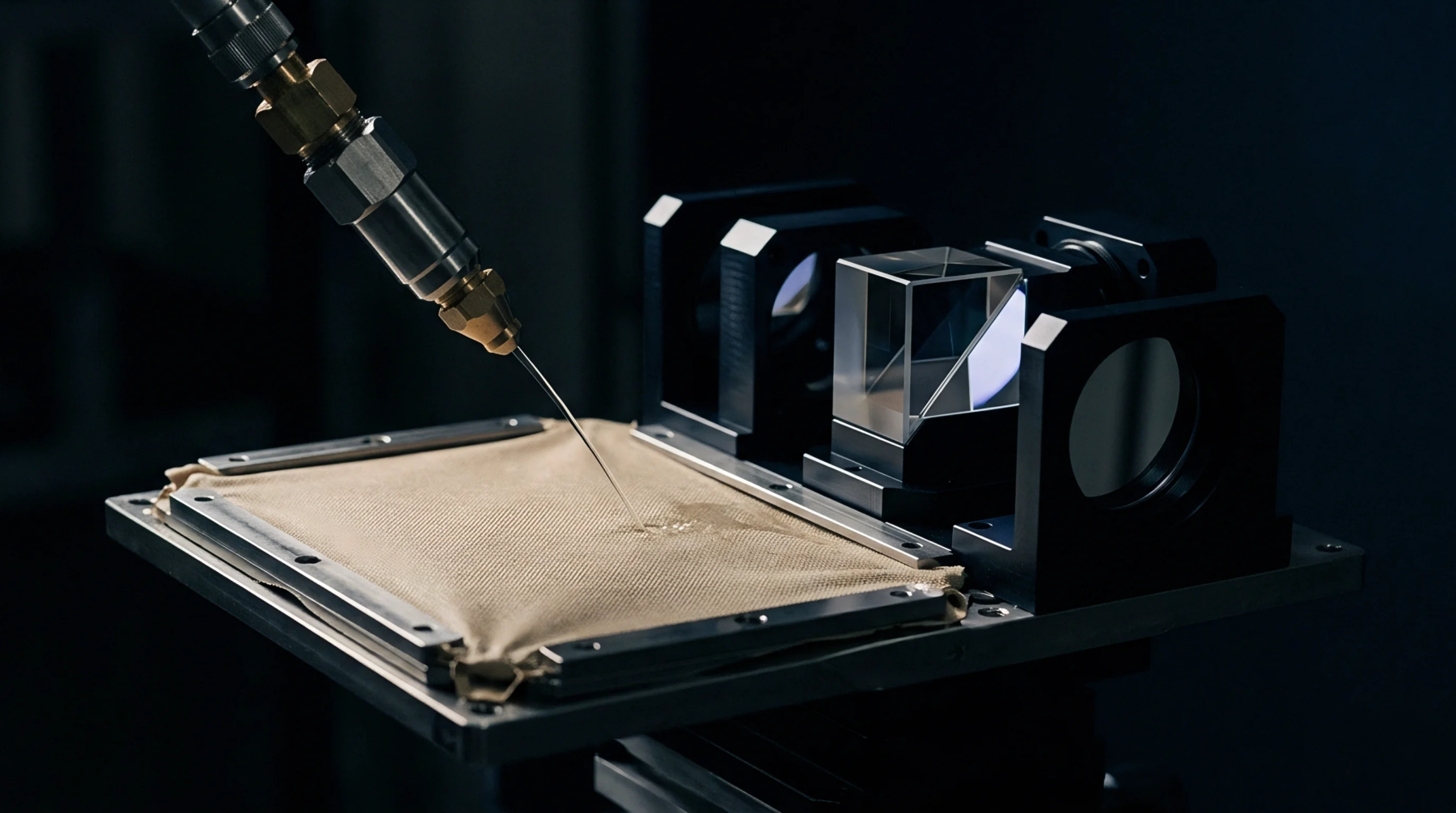
Thermal stress profiling utilizes piezoresistive stress test chips embedded directly inside representative packages across thermal sweep cycles. Test benches record stress tensor components while cycling ambient temperature from minus forty to one hundred twenty-five degrees Celsius. Optical moire interferometry measures out-of-plane surface warpage with nanometer resolution to validate structural finite element models.
Assembly lines enforce maximum allowable stress limits to certify components for harsh automotive or aerospace environments. Devices exceeding stress thresholds during thermal qualification undergo enclosure redesign before production clearance.
Mitigation Architecture
Selecting housing materials with matched thermal expansion coefficients minimizes interfacial shear stress across operating ranges. Soft silicone gel encapsulants isolate sensitive microstructures from rigid outer shell expansion while maintaining environmental protection. Compliance relief slots machined into circuit substrates absorb lateral expansion, reducing stress transmission to surface-mounted transducers.
Floating die mounts secured by low-modulus adhesives preserve sensor zero stability across wide thermal swings.
Dynamic Boundary
Rapid thermal transients generate steep internal temperature gradients that temporarily multiply localized packaging stress levels. Uncorrected stress peaks during fast thermal ramps induce transient measurement errors that exceed steady-state tolerance bands.