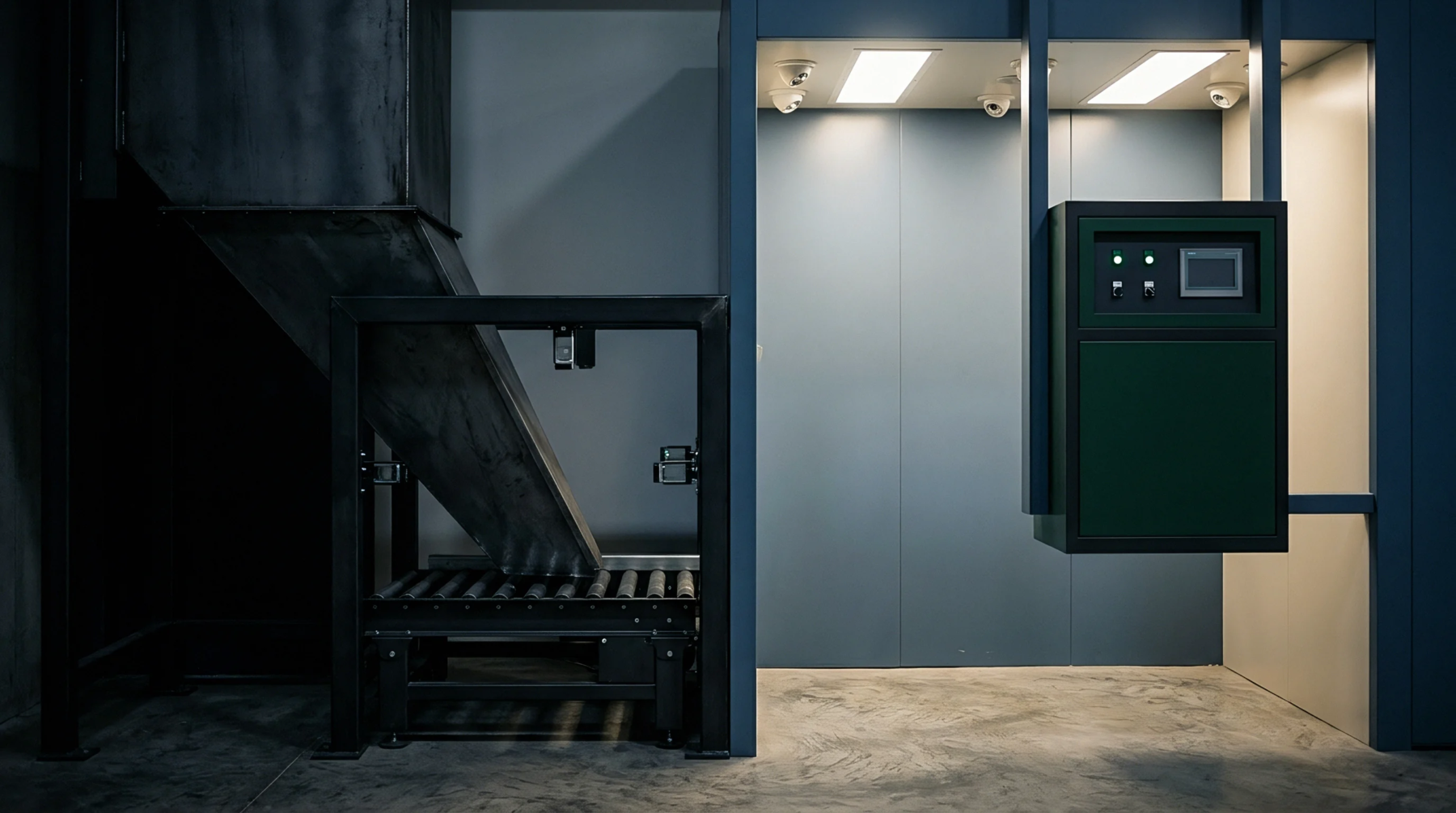
Visual Inspection
Automated inspection systems use high resolution cameras to compare printed text on component surfaces against a reference image. This optical character verification confirms that serial numbers and date codes are legible and correct. This system prevents mislabeled parts from leaving the assembly line.
It maintains product traceability.
Pattern Match
Comparison algorithms analyze the contrast and geometry of the printed characters to detect missing segments or smudged ink. When using optical character verification, the system flags any character that does not meet the minimum match threshold. This step isolates defects.
It prevents illegible marking on integrated circuits.
Process Flow
Industrial printers apply marking to packages before the inspection camera captures the image under structured led illumination. Implementing optical character verification at this point ensures that any defective printing is detected immediately before the components are packed into reels. The system logs every failure in a database.
This log allows engineers to adjust the printer settings when print quality degrades. This prompt adjustment minimizes material waste by stopping the printing line before large volumes of components are mislabeled.
Defect Escape
Failure to detect distorted or incorrect labeling can lead to shipping mismatched components to customers. If a factory runs without optical character verification, it risks mixed inventory and recalled shipments. These errors are expensive.
They damage supplier reputation.