Simulation Sequence
Environmental stress simulation sequences subject non-hermetic electronic components to controlled moisture absorption and convection heat profiles prior to destructive reliability testing. In semiconductor sensor qualification, MSL preconditioning replicates the destructive moisture and reflow heat stresses that components encounter during board-level surface mount assembly. Test standards such as J-STD-020 govern exposure durations and peak furnace temperatures.
Passing this preliminary exposure is mandatory before subject components proceed into downstream thermal cycling or vibration endurance evaluations.
Moisture Saturation
Trapped ambient water vapor concentrates inside plastic mold compounds and interfacial cavities during unprotected warehouse storage. Under standardized MSL preconditioning protocols, devices undergo an initial bake-out to eliminate residual moisture followed by prolonged climate chamber soaking at defined temperatures and humidity percentages. Higher sensitivity classifications demand extended exposure durations to ensure deep moisture absorption through encapsulation polymers.
Thermal Exposure
Solder reflow simulation drives rapid vapor pressure surges when trapped moisture expands inside heated component assemblies. Following chamber soaking in MSL preconditioning, test samples pass through multiple convection reflow cycles with peak temperatures reaching between two hundred forty-five and two hundred sixty degrees Celsius. Rapid thermal ramp rates create intense internal steam expansion that stresses mold compound adhesion boundaries.
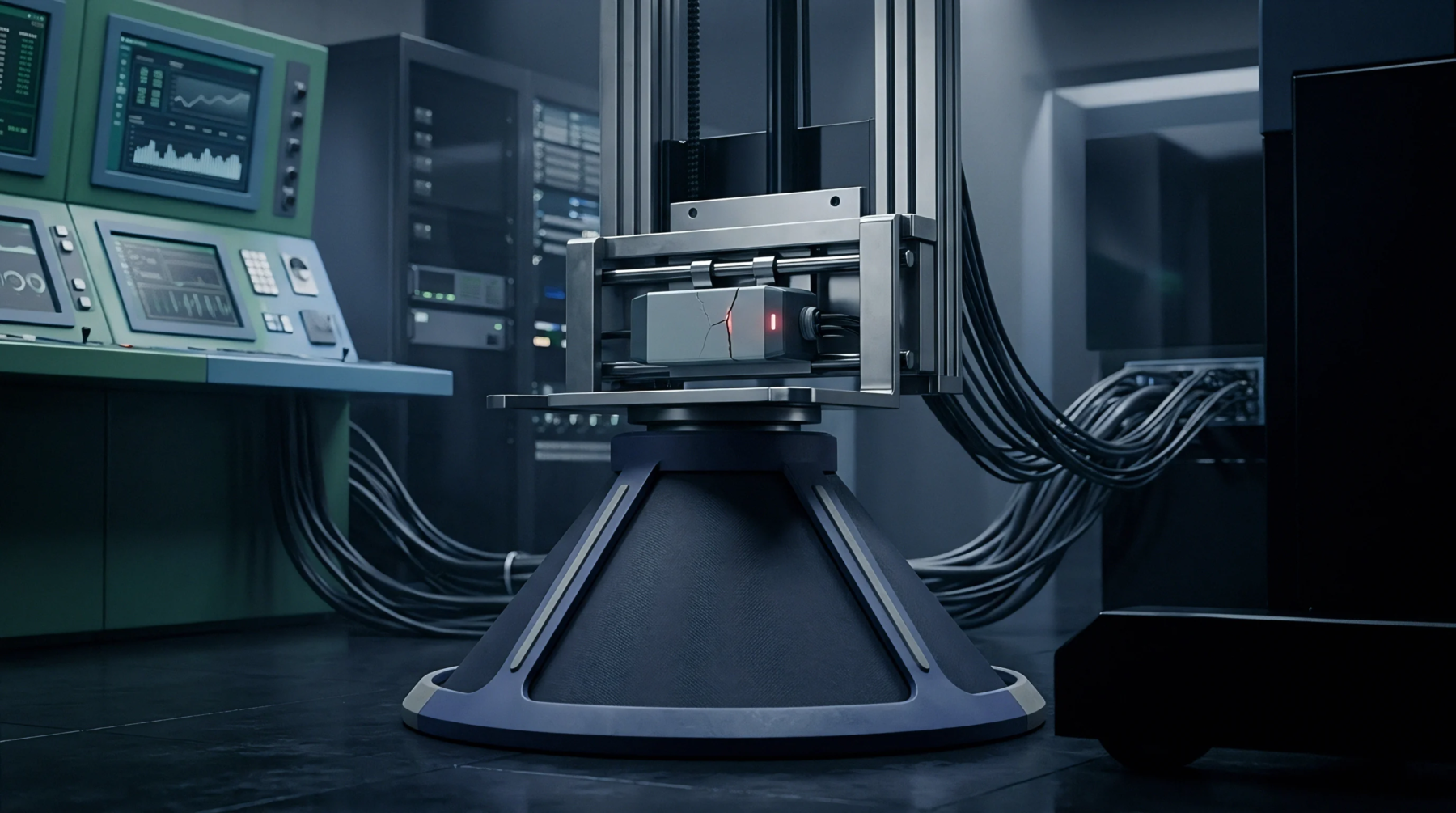
Without proper component design, this internal gas expansion produces package cracking and internal substrate delamination, a phenomenon commonly termed popcorning.
Delamination Verification
Non-destructive scanning acoustic microscopy inspects test units before and after thermal exposure to map internal separation planes. Sourcing qualification rejects lots showing new delamination at sensor die surfaces or leadframe boundaries following MSL preconditioning.