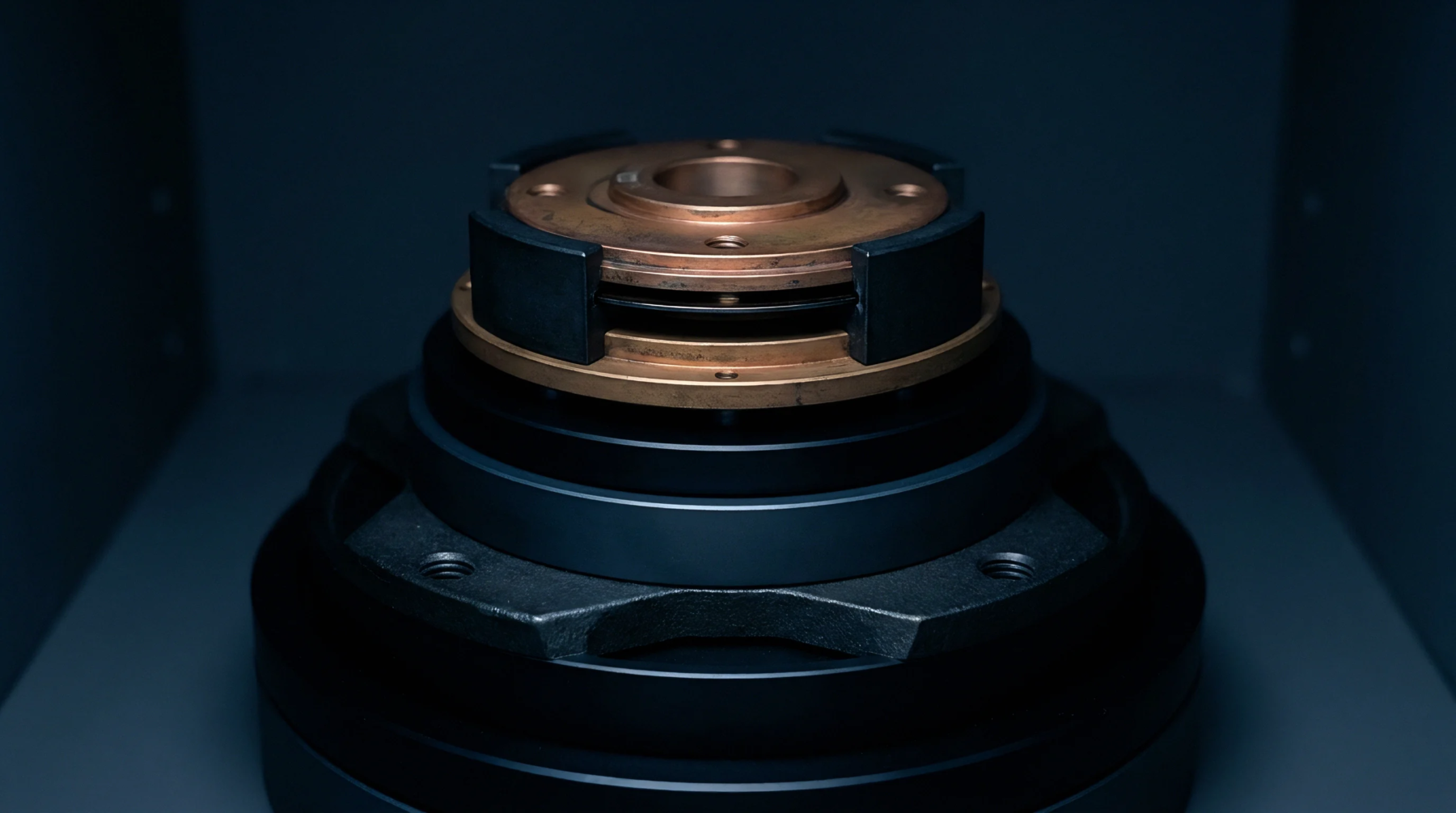
Body Architecture
Pressure measuring instruments with machined external hexagonal features allow direct wrench tightening during fluid line integration. An integrated hex port transducer combines the sensing element and housing thread connection into a single stainless steel housing. Precision machining eliminates separate adapter fittings while providing robust wrench flats for field installation.
Installation Torque
Applying excess torque during sensor mounting distorts internal diaphragm geometry and creates output zero offsets. Installing an integrated hex port transducer requires adhering to strict torque limits specified for the particular thread size and housing material. Wrench forces applied to the external hex transfer directly through the housing body without twisting internal electrical connections.
Pressure Sealing
Fluid containment relies on tapered pipe threads or parallel threads with elastomeric O-rings. The metal port design of an integrated hex port transducer accommodates high hydraulic pressures up to several hundred bar depending on thread size. Thread sealant or bonded washers prevent high-pressure fluid leakage at the process interface.
Signal Conditioning
Internal electronics convert raw piezoresistive or thin film strain bridge outputs into standardized voltage or current signals. Signal conditioning circuits embedded inside the integrated hex port transducer provide temperature compensation and amplifier gain control. Shielded internal cavities protect signal electronics from electromagnetic interference in industrial environments, ensuring reliable output stability across dynamic factory conditions.