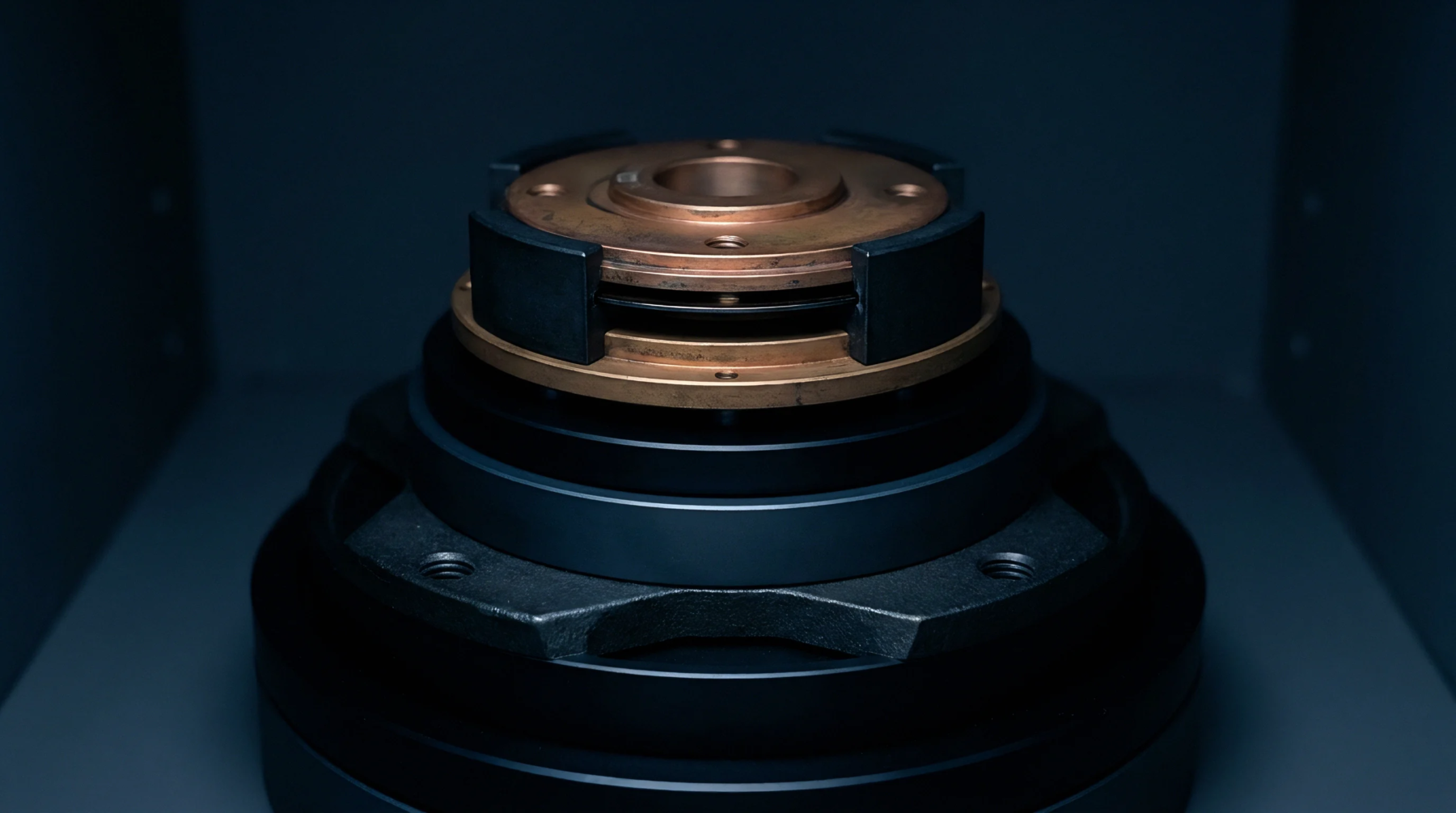
Sensing Boundary
Industrial pressure transmitter mounting is accomplished through a specialized mechanical fitting that secures the sensor tip into the fluid flow path while preventing system leaks. Within high-pressure systems, the transducer port gland provides the necessary structural support and seal interface for the measurement sensor. This component ensures that the transducer remains held in place under high pressure.
Precision Calibration
Sourcing the correct gland dimensions requires tight machining tolerances to prevent the sensor face from sitting too deep or too shallow in the fluid stream. The transducer port gland has dimensions that must be verified using calibrated thread gauges and depth micrometers. Misalignment of the gland can introduce fluid turbulence across the sensing diaphragm, causing measurement drift and signal noise.
Regular inspection of the sealing seat is necessary to maintain calibration accuracy.
Installation Torque
Exceeding the specified tightening torque can deform the sensor housing and distort the internal sensing element. The gland must be tightened using a calibrated torque wrench to ensure a consistent, leak-free joint without damaging the transducer.
Sealing Mechanism
High-temperature and high-pressure applications require metallic or elastomeric seals to be integrated into the gland assembly. Selection of the seal material depends on the chemical compatibility and temperature range of the process fluid. A failing transducer port gland allows process fluid to escape, which leads to sensor failure and environmental contamination.
Standardizing the installation and inspection of these glands reduces maintenance intervals in demanding process plants.