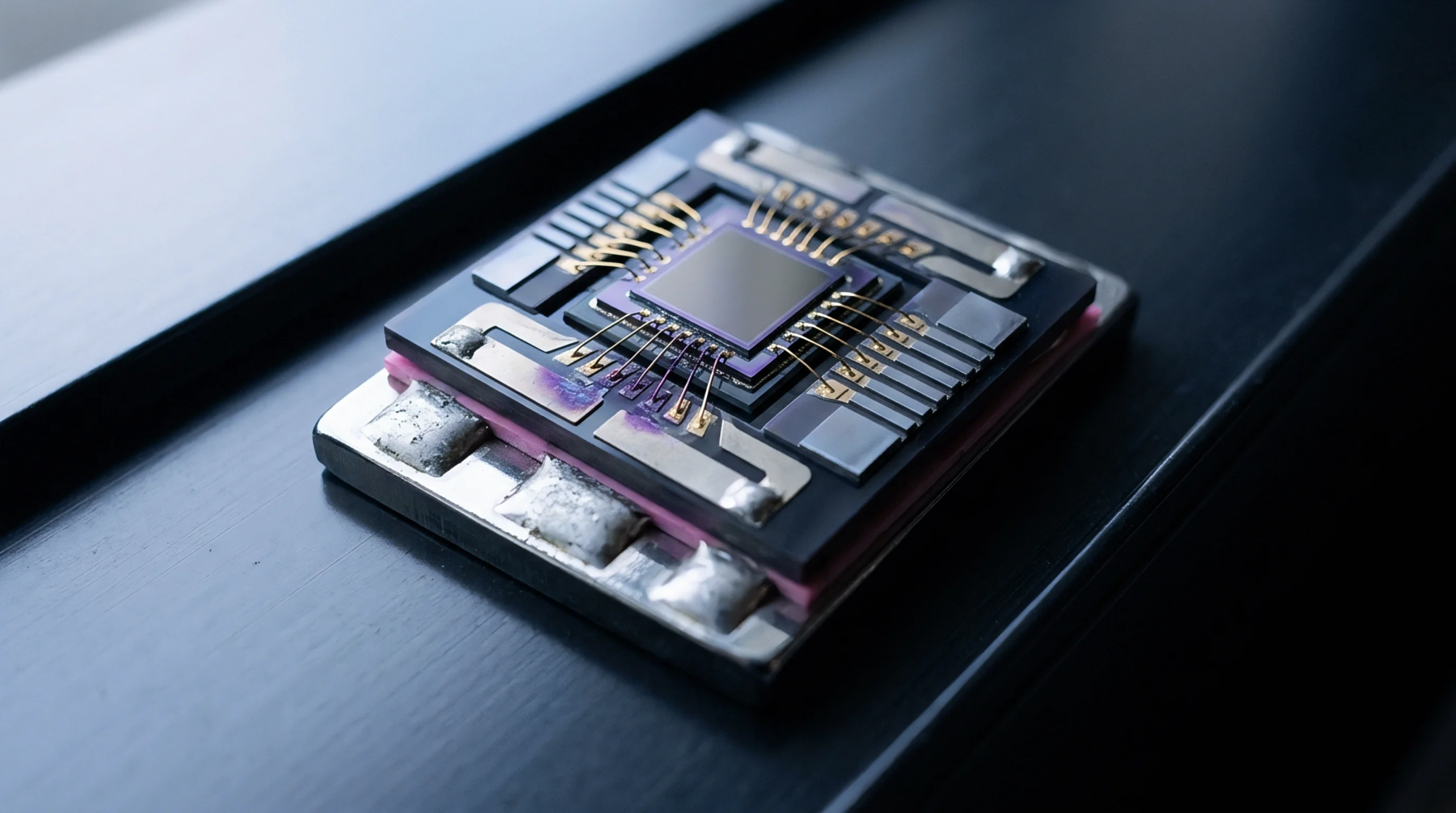
Digital Transducer
Packaged electromechanical assemblies combine a microelectromechanical sensing diaphragm, internal signal conditioning circuitry and a two-wire inter-integrated circuit interface within a single surface-mount housing. The i2c pressure sensor converts applied physical fluid or atmospheric pressures into calibrated digital counts communicated via serial data and clock lines. The device integrates analog-to-digital conversion, internal temperature compensation and non-volatile configuration memory.
Functional limits stop at physical bus length constraints, where line capacitance beyond standard bus specifications degrades edge transitions.
Bus Operation
Master controllers initiate communication by broadcasting an eight-bit frame comprising a seven-bit device address and a directional read or write bit. The transducer acknowledges transmission by pulling the open-drain serial data line low during the ninth clock pulse. Internal state machines manage measurement conversion cycles, moving raw data through digital filters before updating accessible output registers.
Standard operating speeds run at one hundred kilohertz, four hundred kilohertz or three point four megahertz under fast and high-speed bus profiles.
Signal Vulnerability
Parasitic trace capacitance and improper pull-up resistor sizing distort square-wave edges, inducing communication lockups or bit transmission errors. Long physical bus runs pick up electromagnetic radiation from adjacent switching regulators or high-current motor drivers. Thermal transients induce package stress that shifts sensor offset registers while internal clock oscillators drift over extended operating thermal windows.
Power supply ripple directly impacts internal analog reference stability if decoupling capacitors lack adequate proximity or low equivalent series resistance.
Integration Standard
Sourcing criteria demand verified adherence to standardized bus bus-timing standards across full operational supply voltage ranges. Acceptance inspections test line-glitch suppression, input capacitance limits and bus timeout mechanisms designed to prevent bus lockup conditions. Qualification protocols evaluate pressure measurement accuracy against calibrated deadweight testers while verifying that digital output words remain within specified total error bands across thermal cycles.
Delivered lots must satisfy strict solder reflow survival thresholds without exhibiting post-assembly offset shifts exceeding procurement tolerances.