Pressure Chamber Verification
Metrological verification routines assess instrument response curves under controlled liquid pressure within certified pressure containment systems. Executing multi-point comparison routines between reference pressure standards and units under test, hyperbaric calibration establishes measurement traceability for subsea sensors, CTD profilers, and deep-sea exploration transducers. The process records accuracy, linearity, and hysteresis across simulated operating depths.
It bounds hydrostatic evaluations where pressure acts isotropically on test units, ceasing to apply when dynamic flow conditions, surface waves, or aerated fluid streams are introduced into the loop.
Testing Architecture
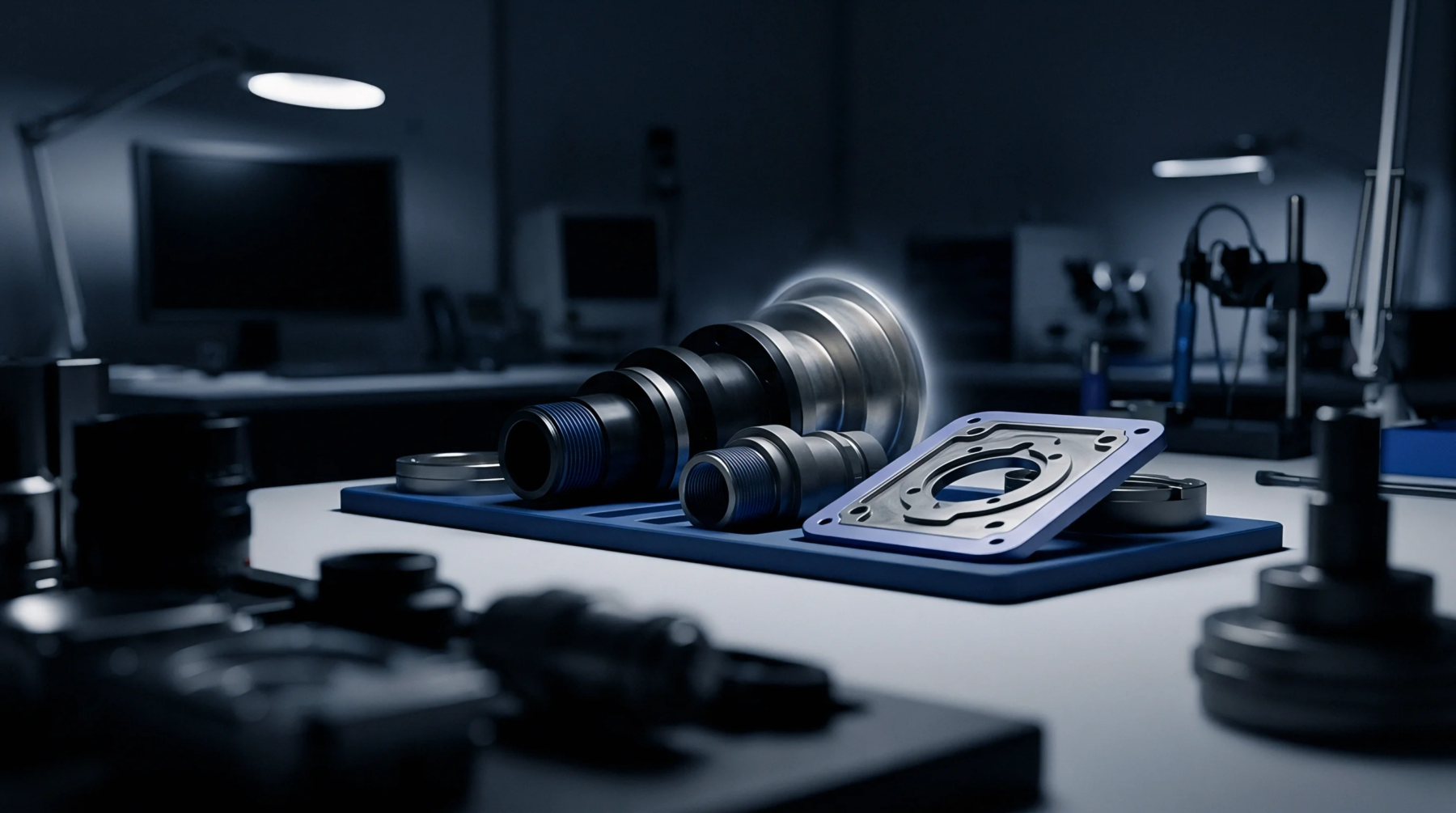
Specialized chambers fill with non-compressible hydraulic fluids, mineral oil, or de-aerated water to simulate downhole or abyssal environments. High-pressure hydraulic intensifier pumps drive chamber pressure to proof levels while primary deadweight testers establish reference baseline pressures. Submersible instruments connect to data acquisition consoles via high-pressure hermetic penetrations, capturing raw sensor telemetry throughout the dive cycle.
Test engineers execute programmed pressure holds to verify baseline stability, sensor creep, and thermal dissipation inside the fluid envelope. Pressure steps descending from maximum rating back to atmospheric pressure reveal internal mechanical hysteresis within diaphragm elements.
Metrological Traceability
Calibration certificates document conformity against national standards via unbroken measurement chains through reference piston gauges. Piston cylinder effective areas and mass weights undergo periodic recalibration to preserve fractional part-per-million accuracy. Laboratories maintain fluid baths within tight thermal tolerances to isolate temperature-induced pressure errors during dwell intervals.
A unit failing to return to zero reading within stated post-release tolerances demonstrates mechanical plastic deformation, seal extrusion, or transducer bonding failure.
Operational Boundaries
Static hyperbaric exposure isolates pressure-dependent sensor behaviors but cannot replicate dynamic thermal shock encountered when instruments plunge through thermoclines. Air bubbles trapped in dead-end transducer cavities can cause localized pressure lag and transient temperature spikes via adiabatic compression during fast pressure ramps. Fluid viscosity differences between chamber oils and natural seawater modify mechanical damping in exposed flow tubes.
Housing seal friction can mask minor transducer hysteresis until high-frequency vibration shakes the assembly. Certified hyperbaric verification establishes structural and sensory readiness before deep ocean deployments begin.