Thermal Endurance
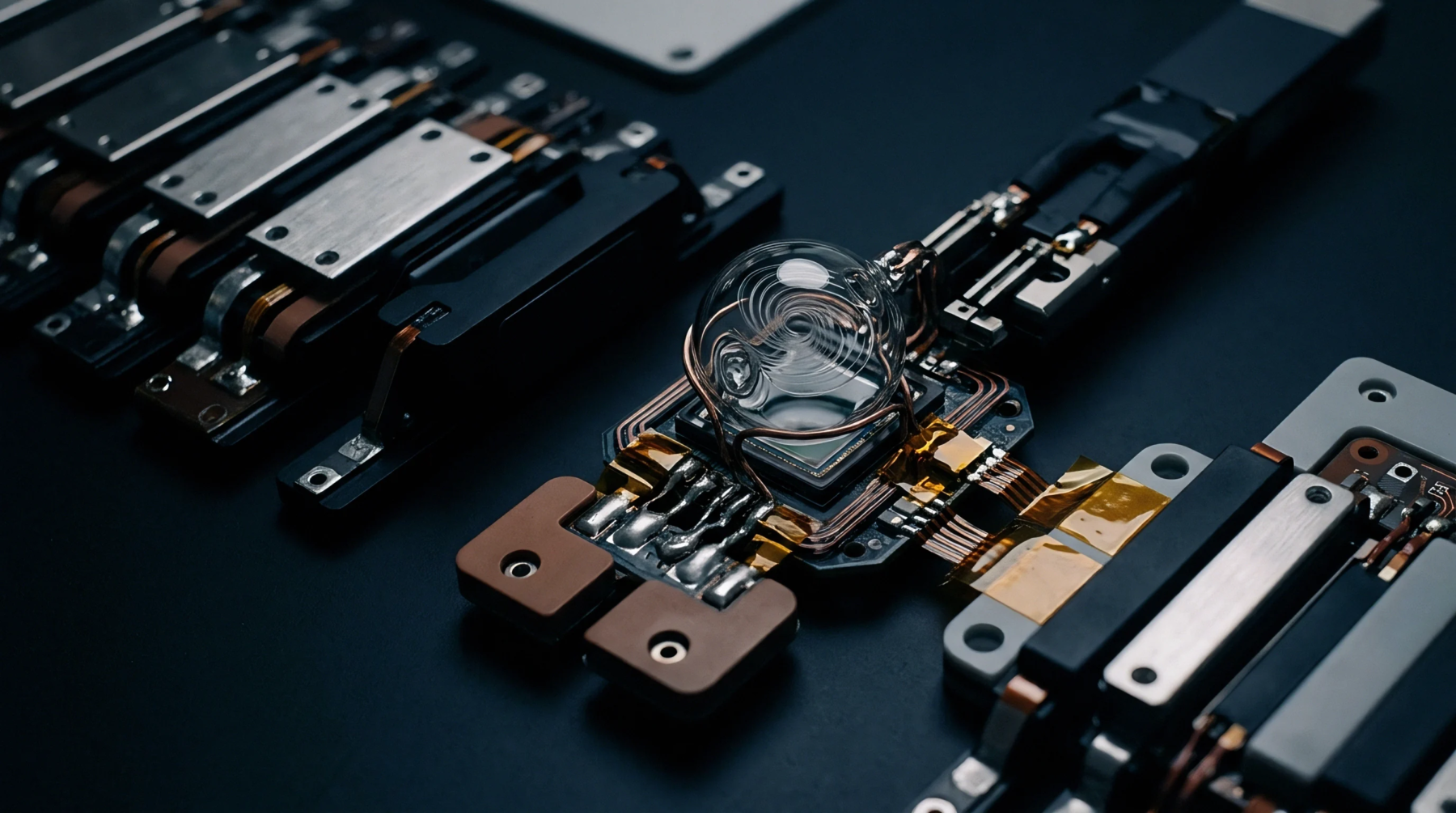
Micro-electromechanical systems constructed from wide bandgap semiconductors operate reliably at ambient temperatures exceeding three hundred degrees Celsius. High temperature mems retain their mechanical properties and electrical isolation under conditions where silicon devices experience leakage current degradation or total failure. Metallization layers in these devices consist of platinum or iridium to prevent diffusion into the substrate at elevated thermal loads.
Packaging relies upon gold-tin eutectics or glass frit bonding to maintain hermetic seals without loss of structural integrity.
Signal Drift
Measurement accuracy relies upon the thermal coefficient of expansion matching between the sensing element and the housing material. High temperature mems demonstrate predictable output shifts when the substrate lattice expands, and calibration protocols adjust for these changes through multi-point isothermal mapping. Compensation circuits often reside outside the high-heat zone to mitigate signal noise.
Piezoelectric materials chosen for these transducers maintain their dipoles against thermal agitation to ensure sensitivity remains stable throughout the operating range.
Package Integrity
Mechanical attachment requires materials capable of withstanding the stress cycles inherent to rapid thermal expansion and contraction. High temperature mems integration depends upon ceramic substrates or high-nickel alloys to handle physical deformation without cracking. Die attach adhesives fail at these thresholds, so technicians employ mechanical clamping or eutectic soldering to fix the sensor to the mounting plate.
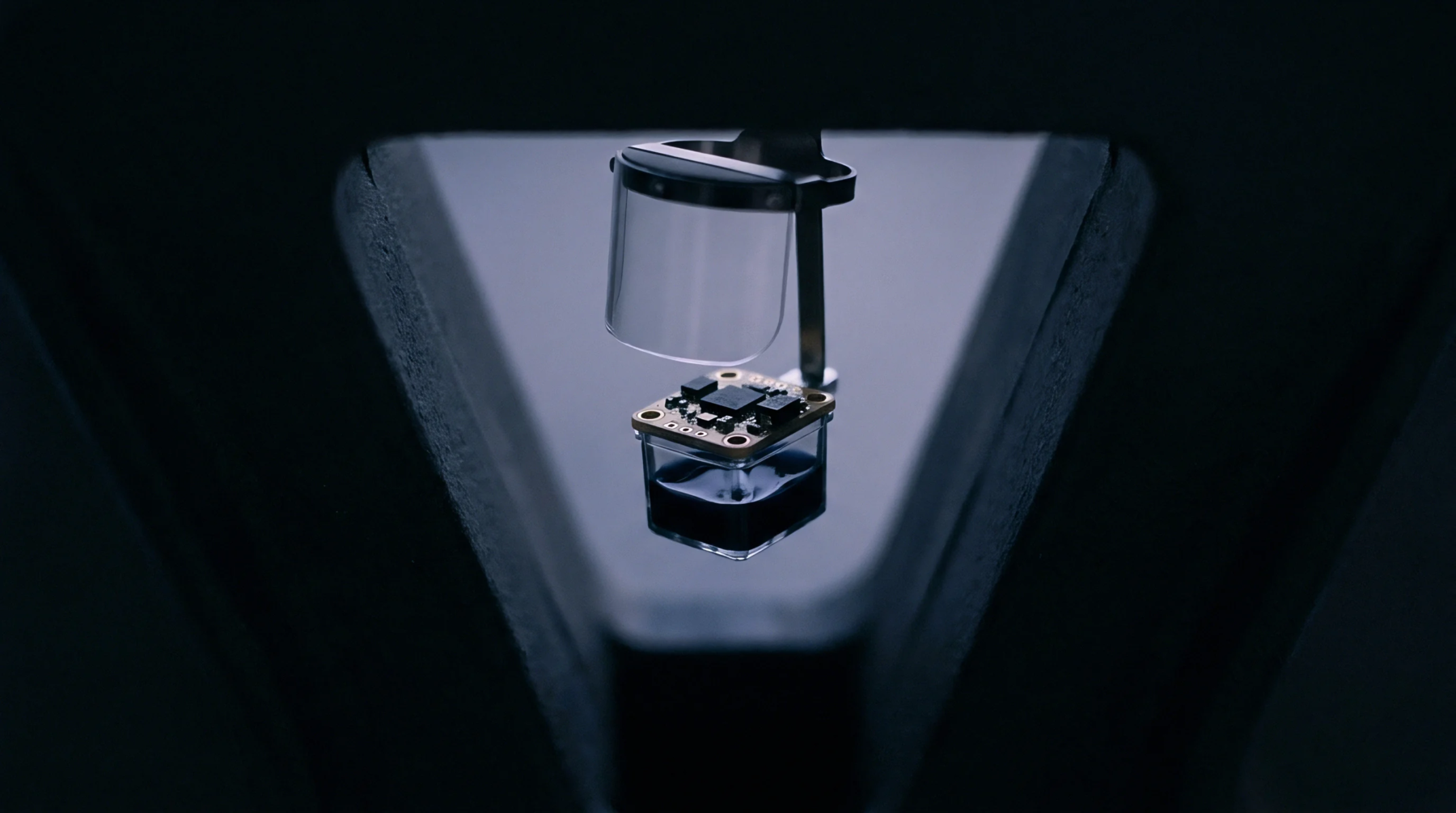
Vacuum encapsulation prevents oxidation of the moving parts while reducing convection heat transfer toward the sensitive electronics.
Metrology Baseline
Standards for these components demand testing at the peak rated temperature to verify output linearity and hysteresis under stress. High temperature mems validation checks verify that hysteresis remains within the specified tolerance after cooling from the maximum operating point. Calibration equipment introduces known force or pressure while holding the device at the environmental limit to isolate thermal errors from sensing inaccuracies.
These sensors define the operational ceiling for industrial monitoring in combustion chambers and geothermal bores.