Heat Treatment
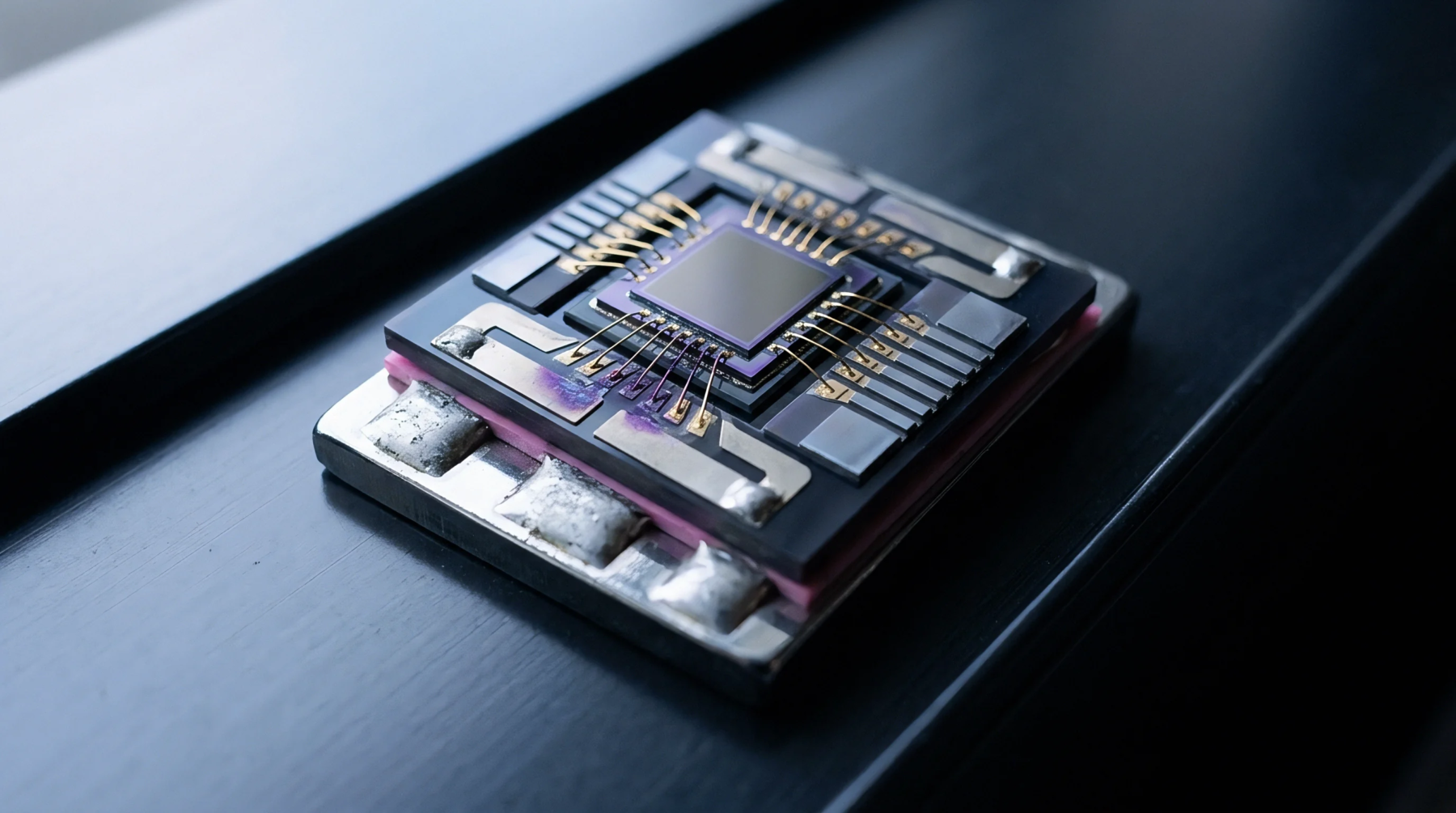
Thermal processing of microfabricated structures at an elevated, stable temperature reduces internal stresses and stabilizes the material microstructure. Executing a thermal soak anneal minimizes residual strain from deposition and etching steps. This treatment is necessary to establish long-term mechanical stability in micro-sensors.
Process Parameters
The wafers are held at a constant temperature for a specified duration, typically in an inert nitrogen or vacuum atmosphere to prevent oxidation. During a thermal soak anneal, the temperature is raised slowly to avoid thermal shock and is maintained long enough for atomic restructuring to occur. The cooling rate is also carefully controlled to prevent the reintroduction of thermal stress.
Material Stability
Silicon-to-glass bonded assemblies and sputtered metallic films benefit from the relaxation of shear stresses at the interfaces. This structural relaxation prevents micro-cracks from forming and reduces the mechanical hysteresis of the assembly under subsequent temperature cycles. The process ensures that the bonded interface remains stable under cyclic loading conditions.
Metrological Verification
The efficacy of the stress-relief cycle is verified by measuring wafer curvature or monitoring the change in the zero-point output of the sensor over repeated temperature sweeps. Sensors that have undergone a thermal soak anneal exhibit extremely low zero-point drift, typically less than one-tenth of a percent of the full-scale output. This verification confirms that the thermal treatment has stabilized the sensor mechanics, ensuring that the calibration coefficients remain valid over the lifetime of the instrument in field service.