Degradation Process
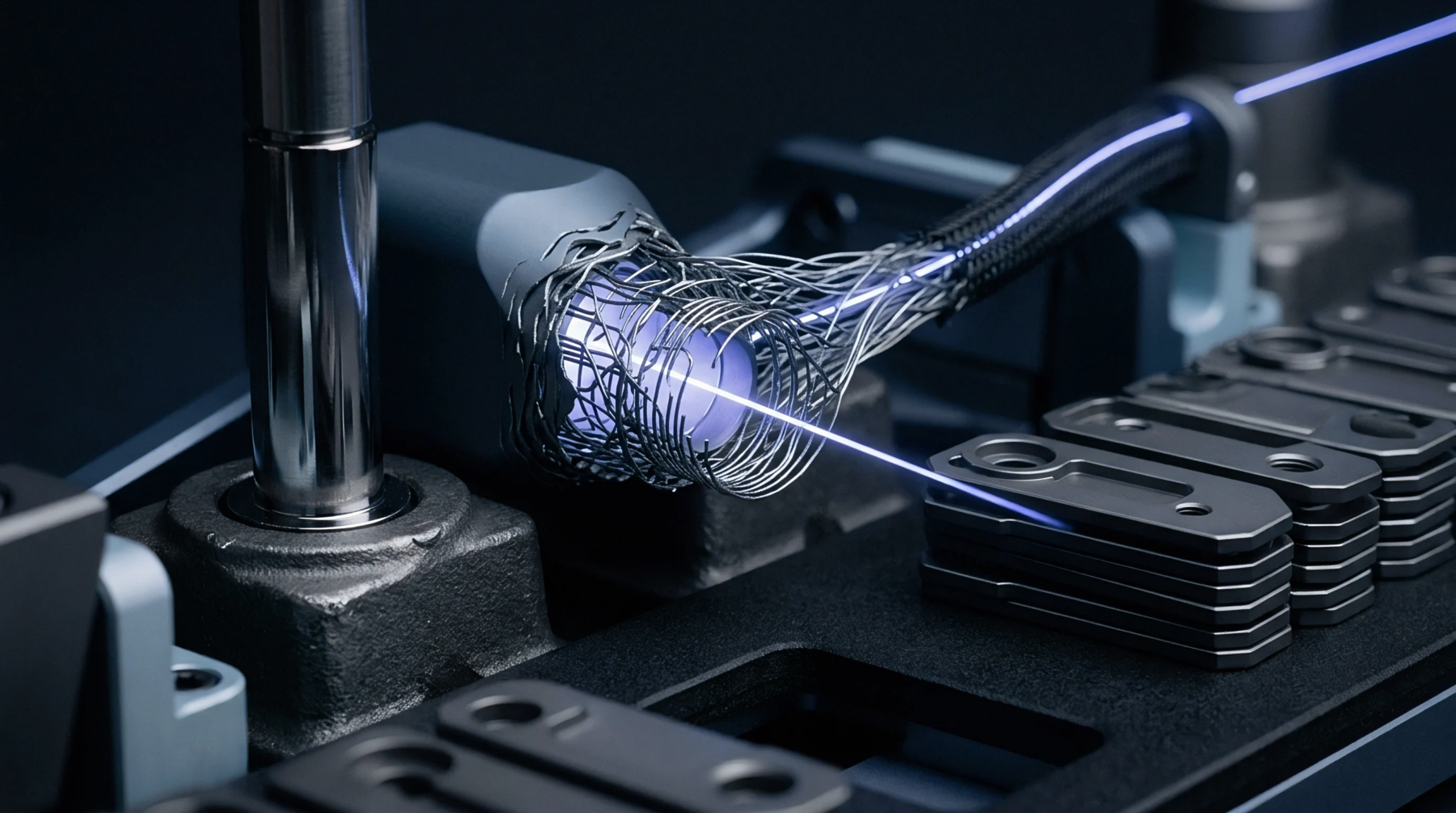
Chemical reactions occurring between atmospheric oxygen and organic or metallic materials at elevated temperatures initiate irreversible microstructural and chemical breakdown. The chemical breakdown known as thermal oxidation degradation alters polymer insulation and sensor encapsulation materials used in industrial instrumentation. Free radical generation initiates polymer chain scission and cross-linking, reducing dielectric strength and mechanical flexibility.
This process stops governing material behavior under inert gas purging or high-vacuum operating environments.
Kinetic Mechanism
Arrhenius reaction kinetics model the rate of oxidative degradation as a function of absolute temperature and oxygen partial pressure. Elevated operating temperatures accelerate radical formation, increasing oxygen diffusion depth into polymer matrices. Mechanical stress accelerates oxidation rate by weakening molecular bonds along microcrack tips.
Antioxidant additives added to packaging polymers delay induction times before rapid degradation commences.
Insulation Breakdown
Loss of dielectric integrity in wire insulation and sensor potting compounds leads to leakage currents and short circuits. Cracking in embrittled sensor housings permits moisture ingress, accelerating corrosion on internal circuitry. Dielectric loss tangent measurements monitor material degradation during accelerated aging qualification tests.
Thermal analysis instruments measure mass changes to identify onset temperatures of rapid oxidation.
Lifetime Bound
Service life prediction models extrapolate accelerated high-temperature test data to normal operating conditions using activation energy calculations. Exceeding critical degradation thresholds marks the end of operational life for sensor housings and wire insulation.