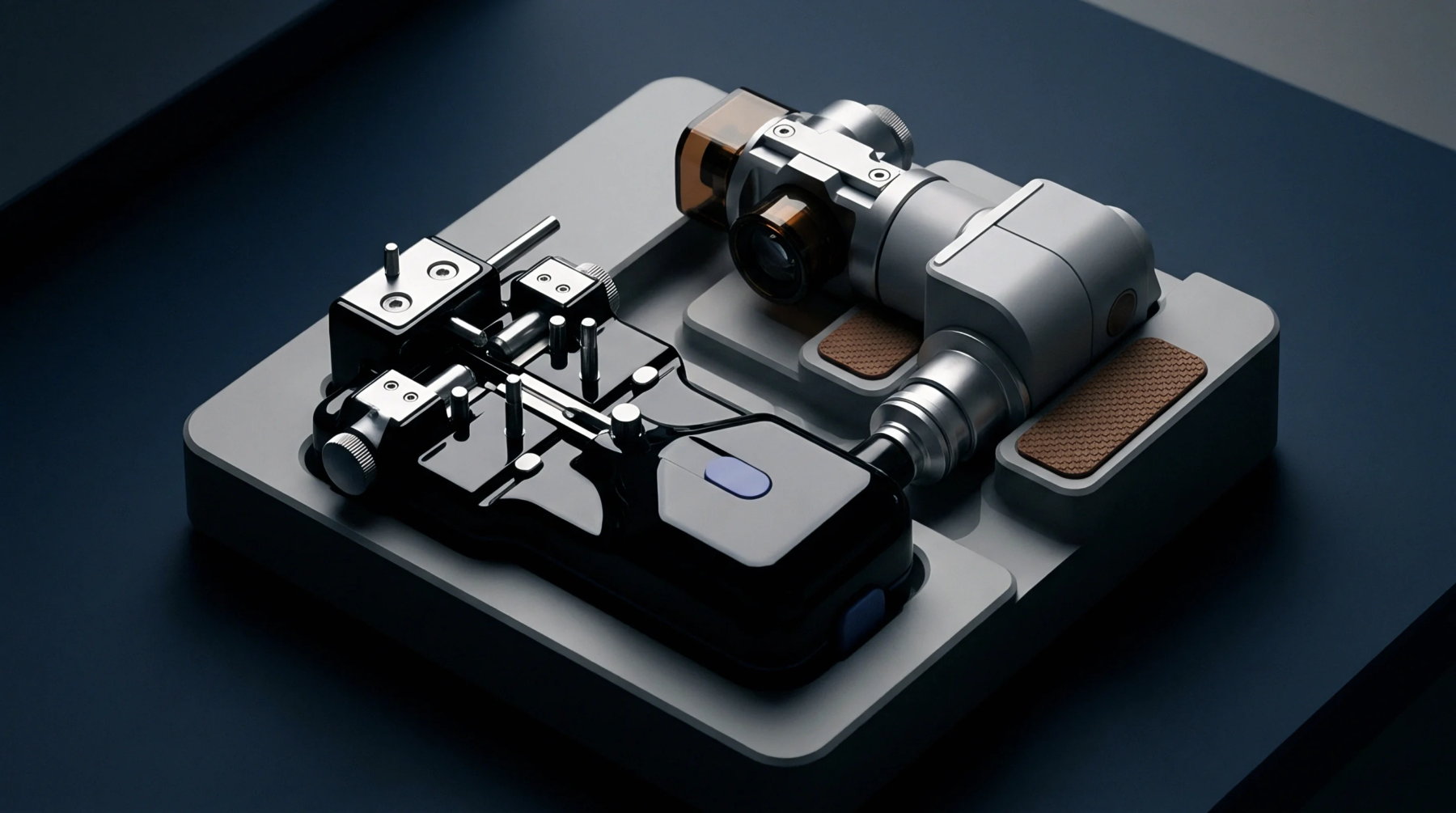
Delay Tracker
Algorithmic adjustments correct the measurement errors caused by the difference between sensor temperature and actual specimen temperature. During rapid heat cycles, thermal lag compensation identifies the time required for energy to migrate into the core of the test sample. Instrumentation software delays the recorded load signal until the sample has reached thermal equilibrium.
Interface Factor
Contact resistance and sample thickness are the primary variables that dictate how slow the thermal response will be. When using thermal lag compensation, technicians insert a small secondary probe into a dummy sample to measure the exact delay. This measured delta creates a correction table used to clean up the primary data file.
Accuracy Correction
Failing to adjust for the gap between environment and sample results in shifting the glass transition point to the wrong location. In precision thermomechanical analysis, thermal lag compensation removes the artifacts caused by high ramp rates. It ensures that data collected at ten degrees per minute looks the same as data collected at one degree per minute.
Efficiency Metric
Speed of testing can be increased without sacrificing accuracy once the system behavior is well characterized. Successful thermal lag compensation allows laboratories to finish batches faster while keeping errors below the one percent limit. Data integrity is confirmed through a comparison of the heating and cooling curves.