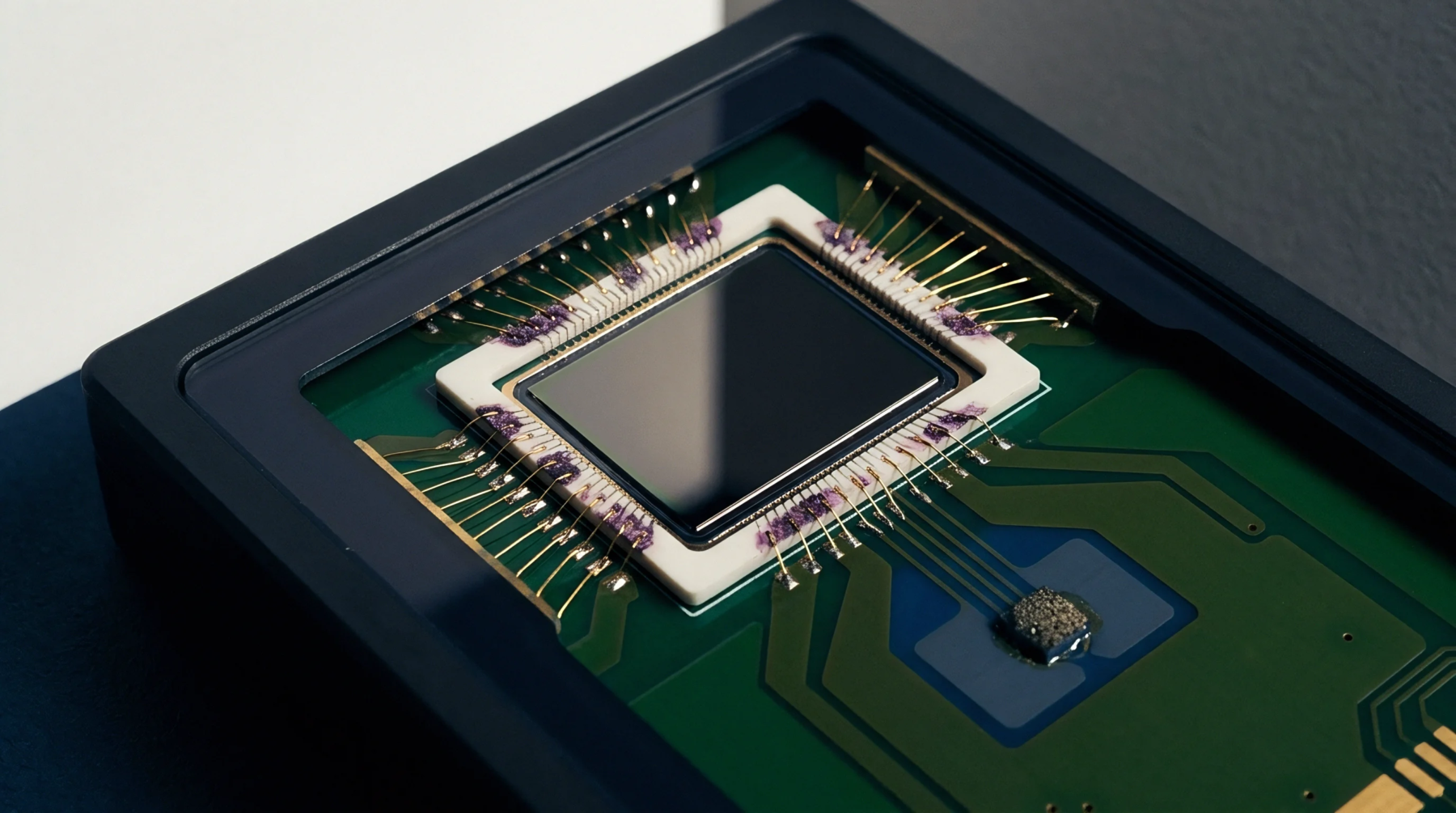
Equilibrium Phase
Testing phase where a component is held at a specific temperature for a fixed duration to reach a state of internal stability. A thermal dwell cycle ensures that internal stresses within a multi-material assembly have fully settled and the temperature is uniform throughout the part. This duration is calculated based on the thermal mass of the device and the conductivity of its materials.
Reaching equilibrium is necessary before taking any precision measurements.
Stress Relief
Holding a part at a high temperature allows for the relaxation of mechanical tension introduced during the manufacturing process. The length of the thermal dwell cycle is determined by the specific polymer or metal being treated. In electronic assemblies, this phase helps to stabilize the solder joints and the circuit board substrate.
Without adequate dwell time, subsequent temperature changes could lead to unpredictable shifts in the sensor’s calibration.
Testing Protocol
Standardized reliability tests such as MIL-STD-883 define the minimum time required for each stage of the thermal profile. A typical thermal dwell cycle might last from thirty minutes to several hours depending on the size of the equipment. During this time, the chamber temperature must be held within a narrow tolerance band to ensure consistent results.
Monitoring the internal temperature of the device with a thermocouple provides the best evidence that the dwell is complete.
Thermal Profile
Designing a test sequence involves balancing the need for thoroughness against the cost of long test times. A well-defined thermal dwell cycle is the foundation of any repeatable environmental test. If the dwell is too short, the results will be inconsistent and fail to represent the true behavior of the part.
Reliability is confirmed when the device performance is stable at the end of every dwell period.