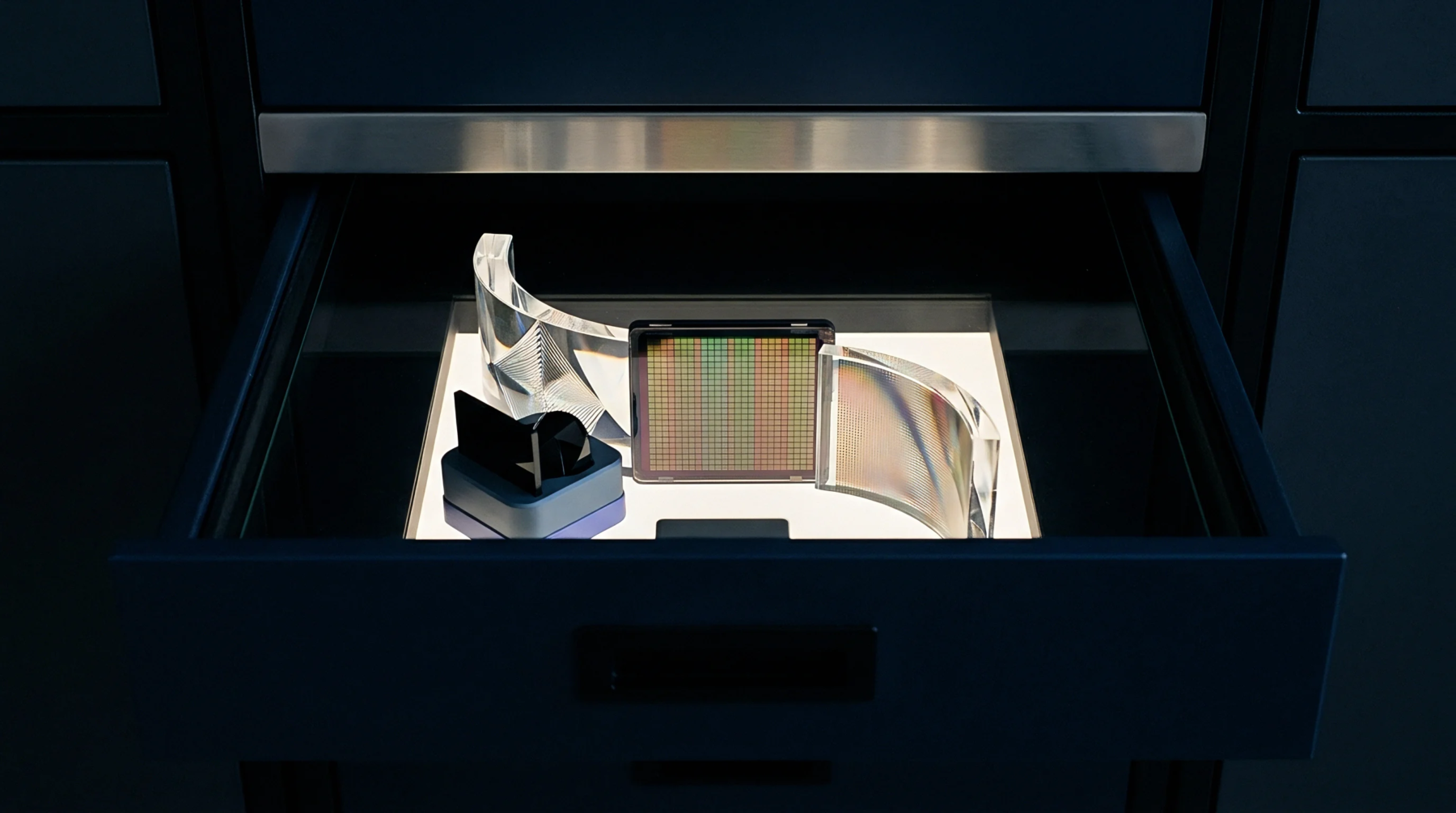
Thermal Conditioning
Prolonged exposure of a mechanical or electronic assembly to a specific, constant temperature ensures that all internal components achieve thermal equilibrium. Sensors undergo a temperature soak cycle to relieve the internal mounting stresses that accumulate during the assembly and soldering processes. This stress-relief step stabilizes the physical structure of the transducer before the calibration sequence begins.
It is an essential phase in the manufacturing of high-accuracy instrumentation.
Material Stabilization
Exposing the device to these controlled thermal conditions allows the different materials to expand and contract to their limits, which relaxes the micro-structural tensions at the bonded interfaces. This relaxation prevents the sensor from experiencing unexpected calibration shifts during its operational life. The duration of the soak can range from several hours to multiple days, depending on the mass and complexity of the sensor assembly.
This process ensures that subsequent calibration measurements represent the stable state of the instrument.
Metrological Calibration
Thermal stability is verified by comparing measurements taken before and after the soaking process. Any significant change in the baseline output suggests that the internal stresses were not fully resolved, requiring a repeat of the cycle.
Procedure Execution
Automated environmental chambers manage the ramp rates and dwell times to prevent thermal shock to the delicate sensing elements. If the temperature changes too quickly, it can introduce new mechanical stresses or even damage the hermetic seals of the sensor. This careful control ensures the long-term reliability and accuracy of sensors deployed in critical industrial applications.