Scaling Gradient
Transducer electronics derive span sensitivity from the ratio of output signal change to measured input stimulus variance across the calibrated range. This property defines how aggressively a sensor converts a specific physical change into a proportional electronic signal. When input variables fluctuate, the resulting deviation in the transfer function marks the absolute performance limit of the component.
Calibration Metric
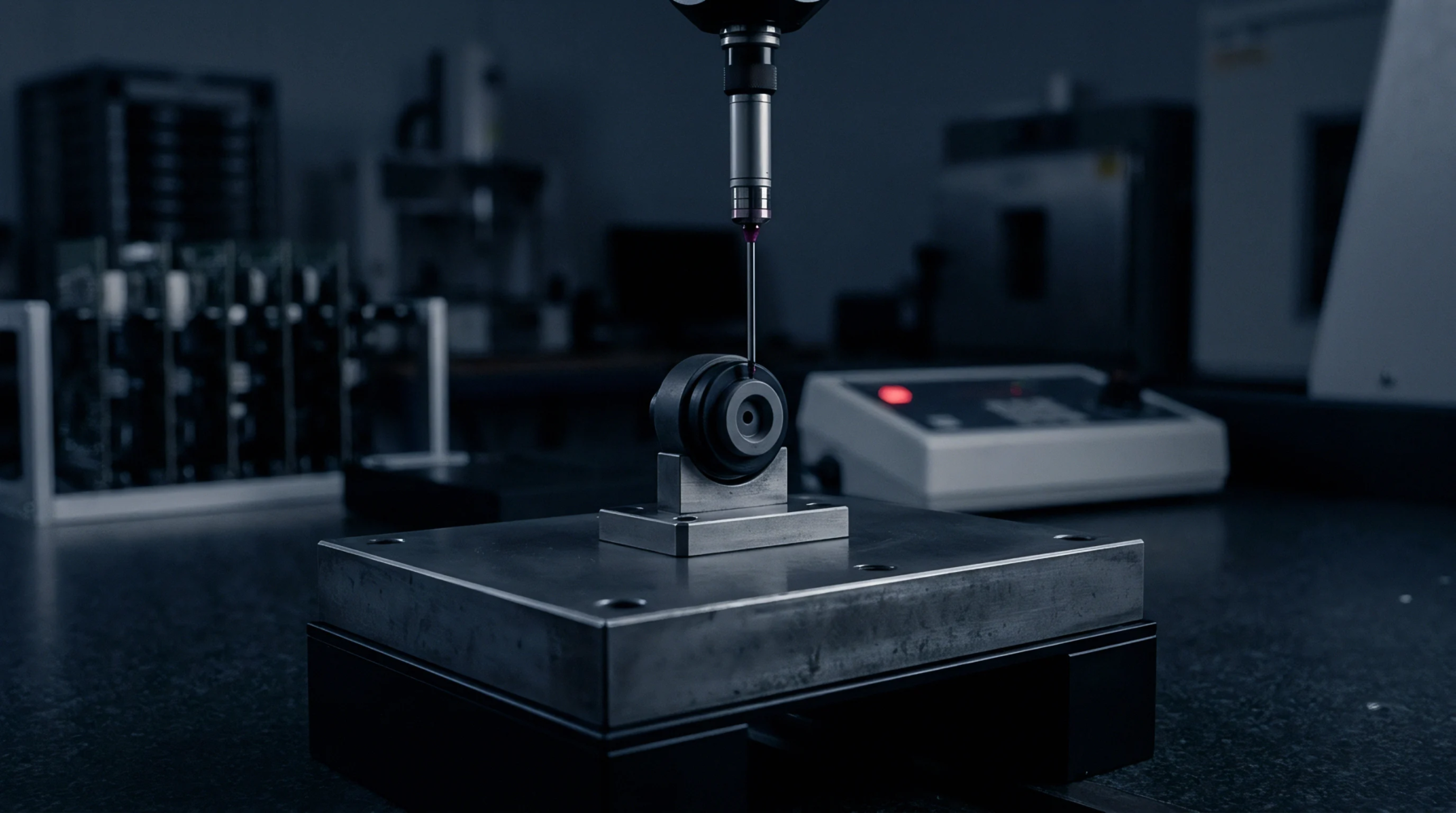
Technicians determine this coefficient by applying a known reference mass or pressure to the input stage under controlled ambient conditions. The output shift is plotted against the input adjustment to calculate the slope of the response curve. Deviations from the linear expectation quantify the degree of error allowed before a device requires manual correction.
Environmental Interference
Thermal expansion of internal conductive elements causes the underlying physical structure to shift, which alters the measured span sensitivity independently of the input signal. Vibrations transmitted through the mounting bracket introduce additional noise that obscures the relationship between the stimulus and the voltage output. Electromagnetic fields generate transient current spikes that degrade the resolution of the signal path.
Proper shielding and physical isolation prevent these external factors from biasing the measurement result.
Verification Protocol
Manufacturers maintain traceability by verifying the response slope against national standards during the final assembly phase. Certified labs generate a calibration report that lists the deviation at multiple points along the measurement range to confirm strict adherence to the published specification. Any adjustment to the output gain corrects the ratio to match the reference value precisely.
A stable coefficient remains the primary guarantee that the sensor delivers consistent data regardless of the operating environment.