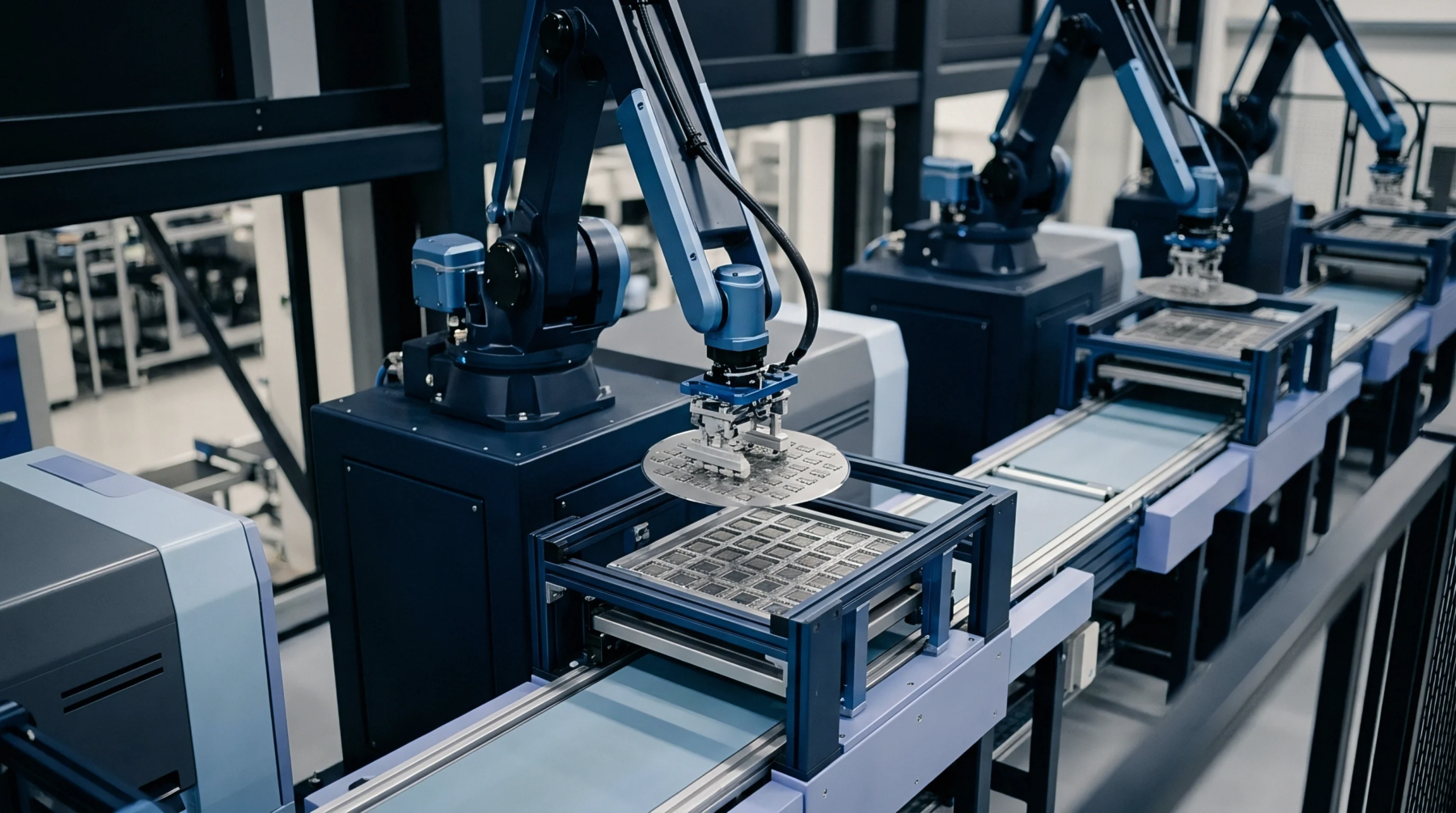
Integrated Circuit
Integrated circuit designed to amplify and convert raw sensor data into a standardized format for further processing. The signal conditioning ic provides the interface between the sensitive analog transducer and the digital world of the microprocessor. The chip often includes functions such as temperature compensation and gain adjustment within a single package.
Processing Stage
Primary tasks involve removing unwanted noise and boosting the weak electrical signals produced by the sensing element. Inside a signal conditioning ic, precision operational amplifiers and programmable filters ensure that the output is proportional to the measured physical quantity. This preparation of the signal is essential for achieving the required resolution and accuracy in a sensor system.
Component Integration
Modern designs combine several functions to reduce the overall size and power consumption of the electronic module. A signal conditioning ic may also contain non-volatile memory to store calibration coefficients and configuration settings for the specific sensor it supports. This high level of integration simplifies the design of the end product and improves the reliability of the measurement chain.
Designers often select these chips based on their low noise performance and their ability to operate over wide temperature ranges.
Accuracy Contribution
Quality of the conversion process directly impacts the total error budget of the instrument.