Matrix Representation
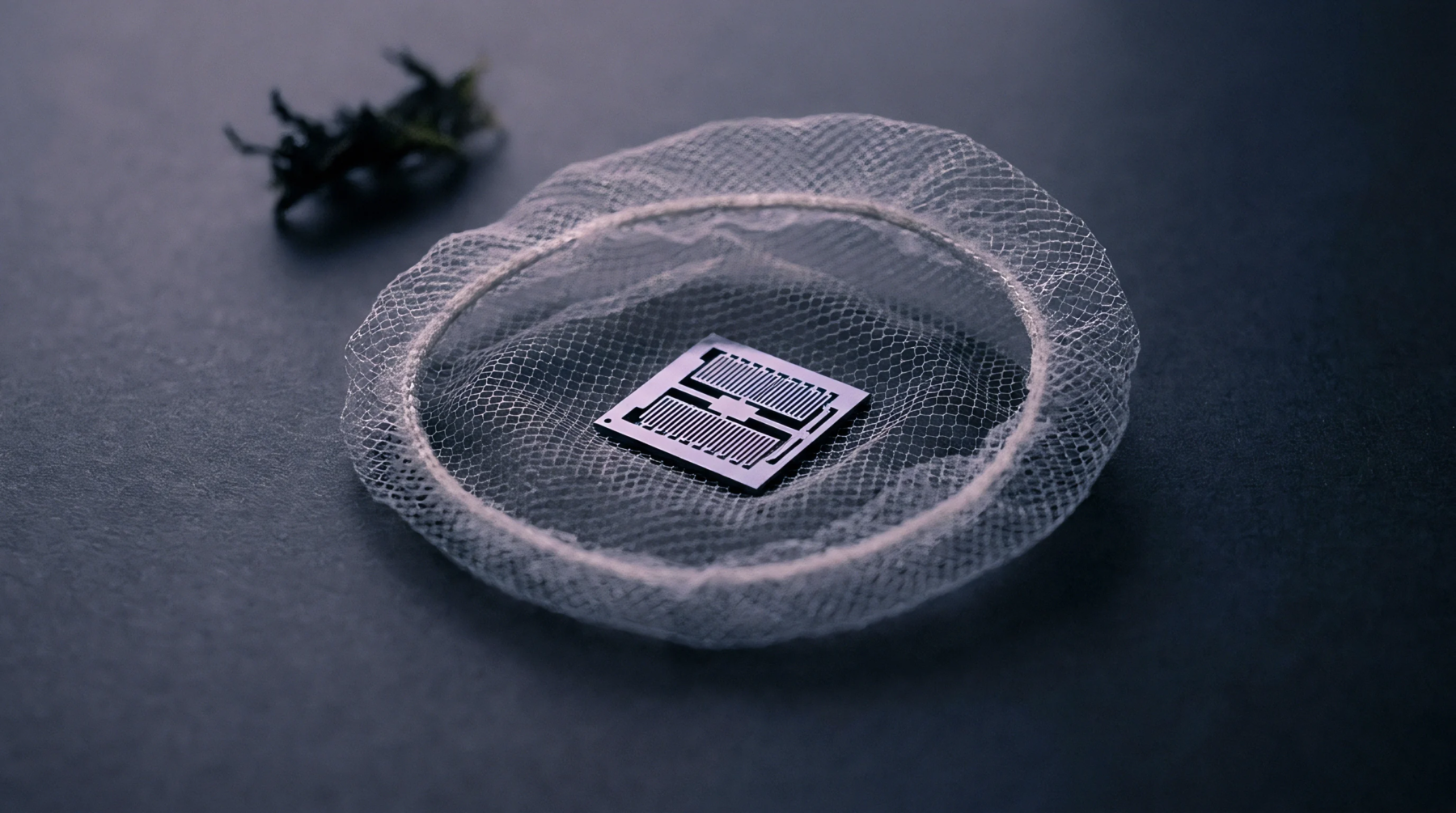
Continuum mechanics formulations describe internal force distributions across orthogonal coordinate planes within solid materials. The shear stress tensor quantifies off-diagonal mechanical stress components acting parallel to cross-sectional surfaces of a sensor body. In-plane and out-of-plane shear components induce localized angular deformations that alter semiconductor resistivity matrices.
Strain gauge rosette configurations map these internal force vectors to reconstruct complete state-of-stress profiles.
Strain Coupling
Multiaxial load cells experience cross-sensitivity when shear forces interact with principal axial loading axes. Mathematical transformation of the shear stress tensor isolates pure shear loads from bending moments during structural sensor calibration. Temperature changes alter substrate shear modulus values, shifting off-diagonal stress values under static mechanical loads.
Micro-electromechanical diaphragm sensors experience shear-induced offset drift when packagings transfer asymmetric assembly torque. Silicon piezoresistors positioned along specific crystallographic directions isolate shear stress components from pure hydrostatic pressure forces. Misalignment of internal sensing elements degrades diagonal element extraction accuracy in multi-axis load transducers.
Calibration Matrix
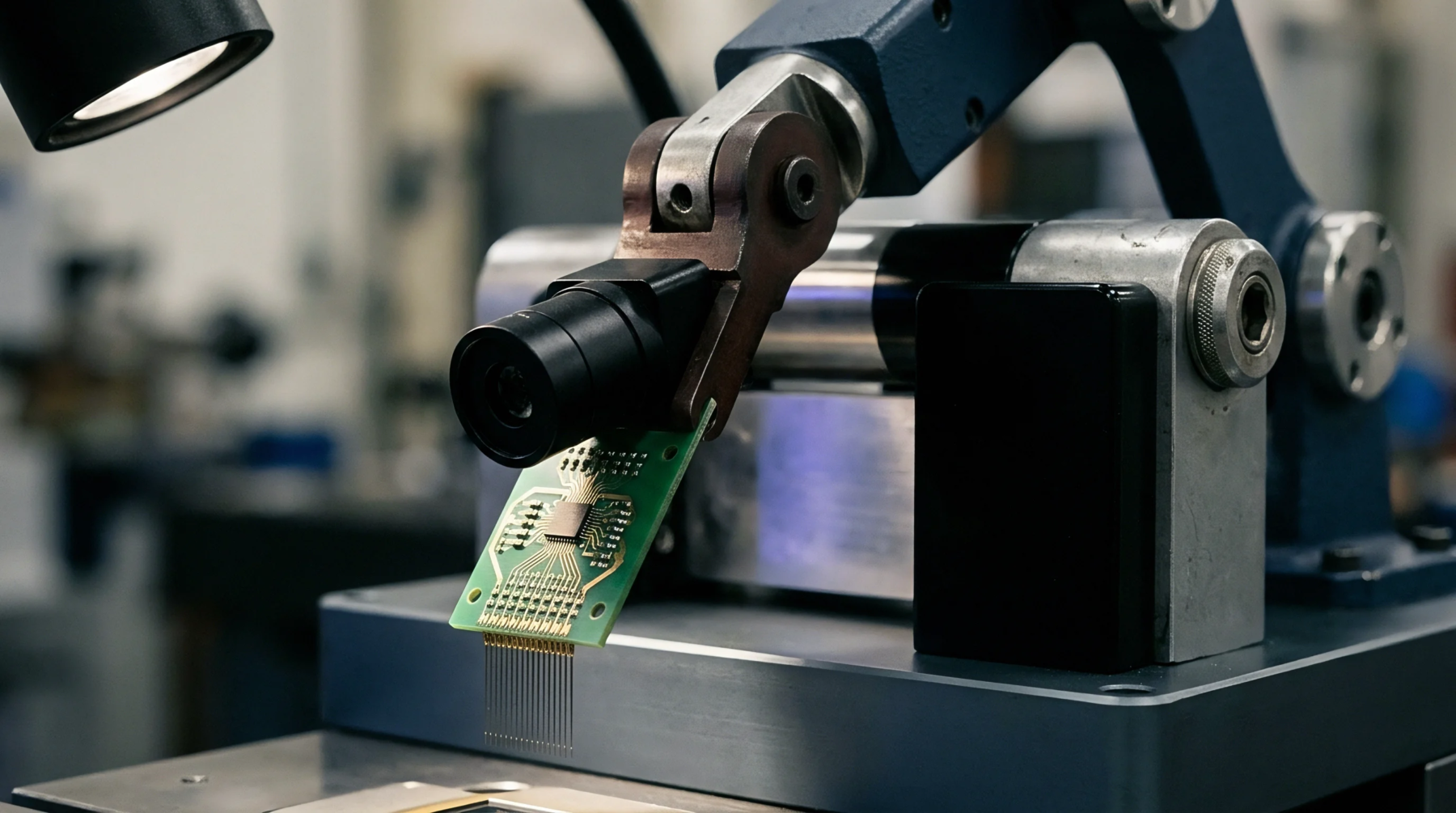
Orthogonal loading rigs apply known orthogonal forces and moments to establish cross-talk transformation coefficients. Verification protocols compare calculated shear stress tensor values against reference load cell readings across full-scale operational ranges.
Multi-Axis Sensing
Finite element models predict stress distributions under complex dynamic boundary conditions. Accurate shear tensor determination ensures cross-axis isolation performance in flight control accelerometers and industrial torque sensors.