Thermal Potential
Generating a direct electric output proportional to a temperature gradient across dissimilar conductors defines the seebeck voltage within thermoelectric measurement assemblies. Dissimilar metals or doped semiconductors develop this electrostatic difference when a thermal boundary layer establishes a persistent temperature drop along the longitudinal axis of the legs. Calibration laboratories verify the accuracy of the generated signal against reference blackbody sources or precision dry block calibrators under strict ambient stabilization.
Contact resistance at the junction interfaces and parasitic lead wire effects introduce measurement errors during signal acquisition. Environmental thermal shunting across the housing degrades the primary gradient, causing an uncompensated drop in output magnitude. Metrologists minimize thermal parasitic offsets by using homogeneous extension wires matched to the specific alloy composition of the sensing elements.
Gradient Calibration
Signal drift emerges from metallurgical degradation within the thermocouple junction during prolonged exposure to extreme operating temperatures. Oxidation and atomic diffusion alter the thermoelectric properties of the metallic legs over time, shifting the output characteristics away from standard reference tables. Traceable calibration procedures quantify this deviation by comparing the measured potential against international temperature scales at fixed thermodynamic points.
Technicians apply polynomial correction curves to the raw data logger output to compensate for nonlinearities in the material response across wide thermal spans. Verification intervals depend on the severity of the operational environment, with high temperature industrial processes demanding monthly audits to maintain compliance with quality management standards.
Junction Compensation
Cold junction reference stabilization prevents ambient temperature fluctuations at the instrument terminals from corrupting the primary measurement chain. Digital acquisition hardware measures the temperature directly at the terminal block using an independent thermistor or resistance temperature detector. Firmware algorithms subtract the calculated parasitic potential generated at the copper wire connection from the total measured voltage.
Uncompensated terminals introduce systematic offset errors that directly distort the calculated temperature value displayed by the monitoring system. Circuit board layout design minimizes thermal gradients across the terminal strip to ensure uniform reference conditions for all connected channels.
Circuit Integrity
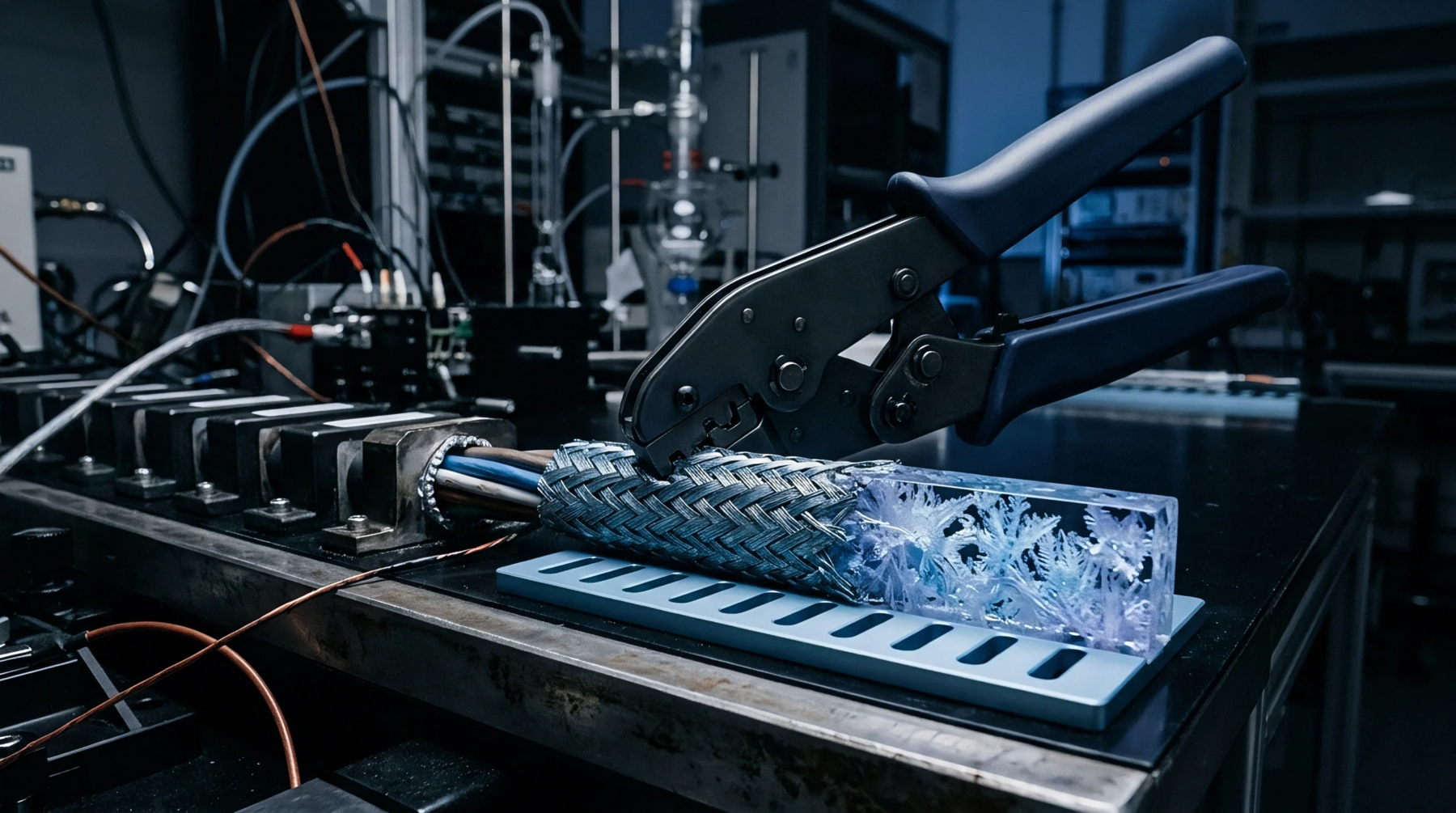
Signal transmission over long distances requires shielded cabling to reject electromagnetic interference generated by nearby heavy power switching equipment. Ground loops induce extraneous voltages that sum directly with the primary thermoelectric signal, saturating the analog to digital converter inputs. Technicians isolate the measurement circuit from earth ground at the sensor tip while maintaining single point grounding at the instrumentation panel to suppress common mode noise.
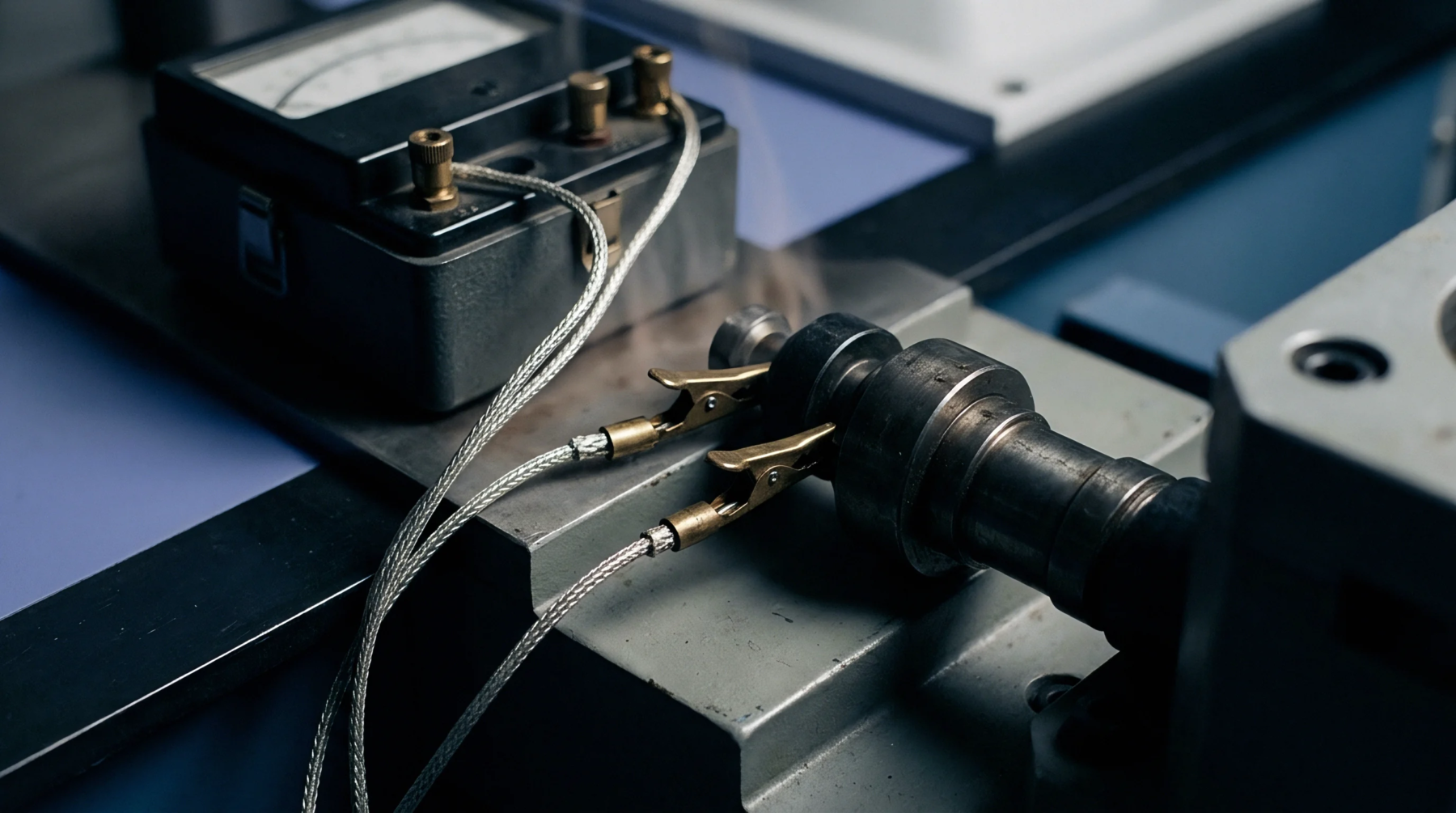
Insulation resistance degradation within the mineral insulated metal sheathed cable creates leakage currents that attenuate the valid signal amplitude before it reaches the signal conditioner. Periodic insulation resistance testing using high voltage megohmmeters verifies the dielectric strength of the compacted magnesium oxide powder separating the conductors from the protective outer sheath.