Substrate Material
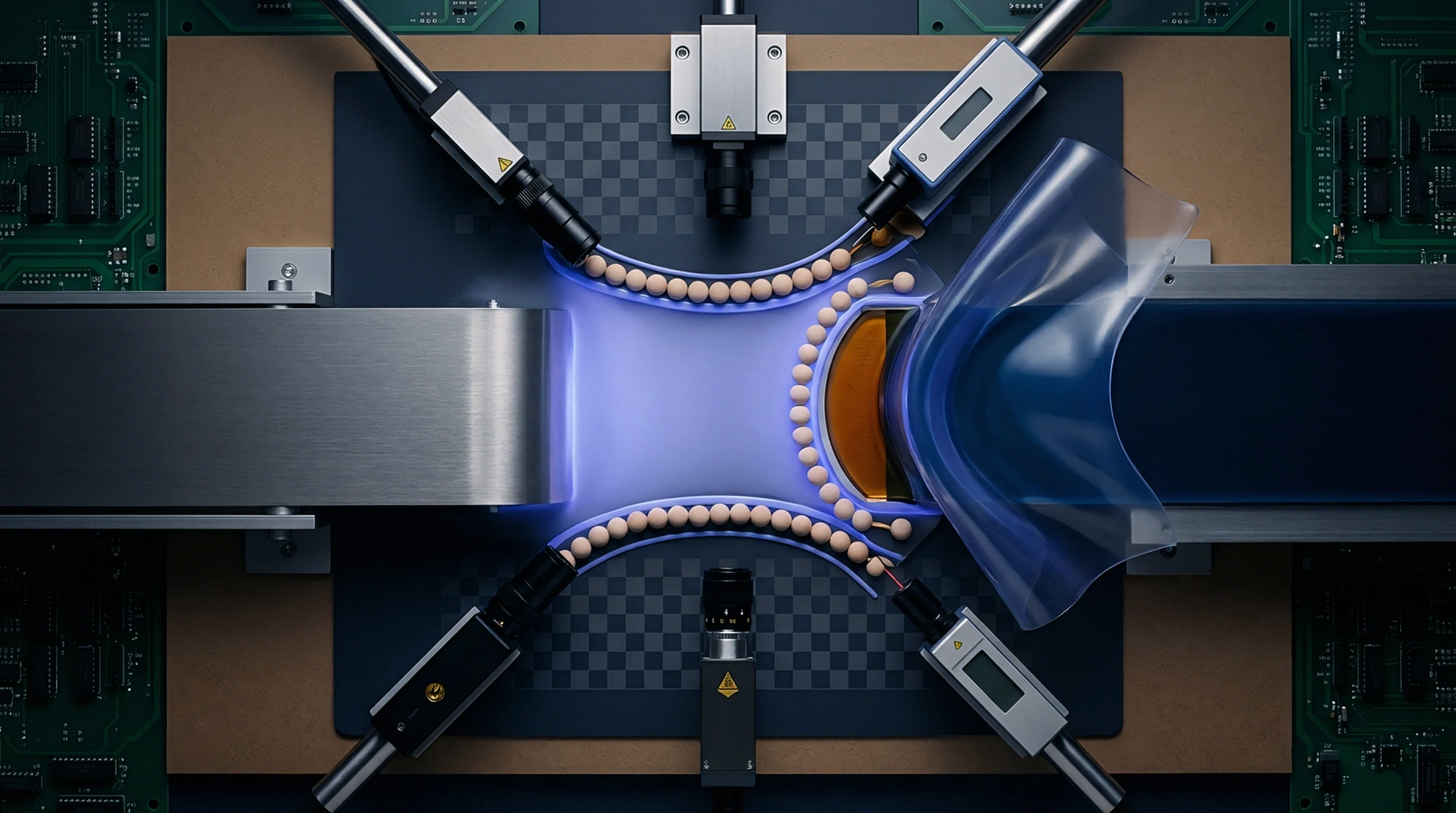
Flexible sensor construction utilizes high-strength polymer films to support conductive grid patterns. A polyimide backing is the non-conductive carrier layer that holds the etched constantan or platinum foil of a strain gauge. This film provides both the mechanical structure and the electrical isolation needed for accurate data collection.
The substrate remains stable across a wide temperature range, ensuring that the sensor does not lose its calibration during thermal cycles.
Environmental Tolerance
Thermal limits of standard plastics are often too low for demanding aerospace or automotive environments. Because the polyimide backing can withstand continuous exposure to high temperatures, it is used where other materials would melt or degrade. The material resists chemical solvents and moisture, preventing dielectric breakdown.
Adhesive Bond
Force transmission from the test specimen to the sensor grid depends entirely on the quality of the glue line. When a strain gauge with a polyimide backing is installed, a thin layer of epoxy or cyanoacrylate adhesive is cured under pressure. This bonding process ensures that any surface deformation is transferred to the foil grid without slipping.
Application Window
Cryogenic applications present a challenge for standard polymer substrates. Liquid nitrogen temperatures can cause the polyimide backing to become brittle and lose its flexibility. Specialized adhesives are required to prevent delamination under these extreme conditions.