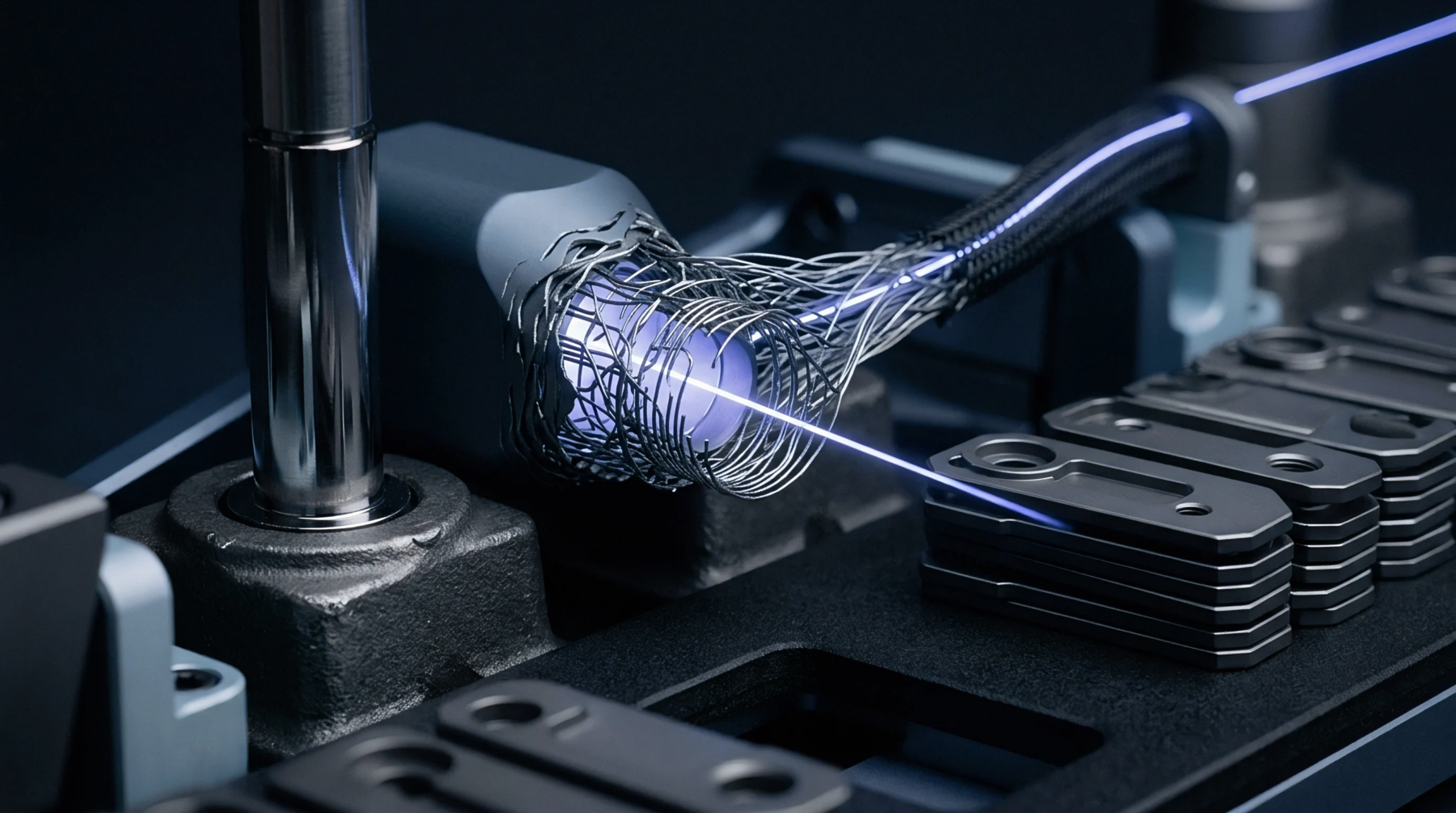
Maintenance Process
Volatile contaminants and trapped air are removed from lubricating or insulating fluids to restore their physical properties. Regular oil degassing prevents the formation of bubbles that cause cavitation in pumps and mechanical failure in bearings. Power transformers rely on this treatment to maintain high dielectric strength in their insulation systems.
Vacuum Mechanism
Fluid passes through a chamber where the ambient pressure is reduced significantly below atmospheric levels. Because the partial pressure of the gas above the liquid is low, the dissolved molecules migrate to the surface and escape. Spraying the liquid through a nozzle increases the surface area to accelerate this transfer.
Quality Standard
Measurement of the residual air content happens after the process to verify compliance with industrial specifications. Moisture removal usually occurs simultaneously with the extraction of gases. This dual action prevents the breakdown of the oil and the corrosion of internal metal parts.
Effective treatment extends the service life of the fluid and the equipment it protects. ASTM and ISO standards define the acceptable levels of gas for different classes of industrial machinery.
System Constraint
High viscosity fluids require more time or higher temperatures to reach the desired purity. Heating the oil reduces the surface tension and increases the diffusion rate.