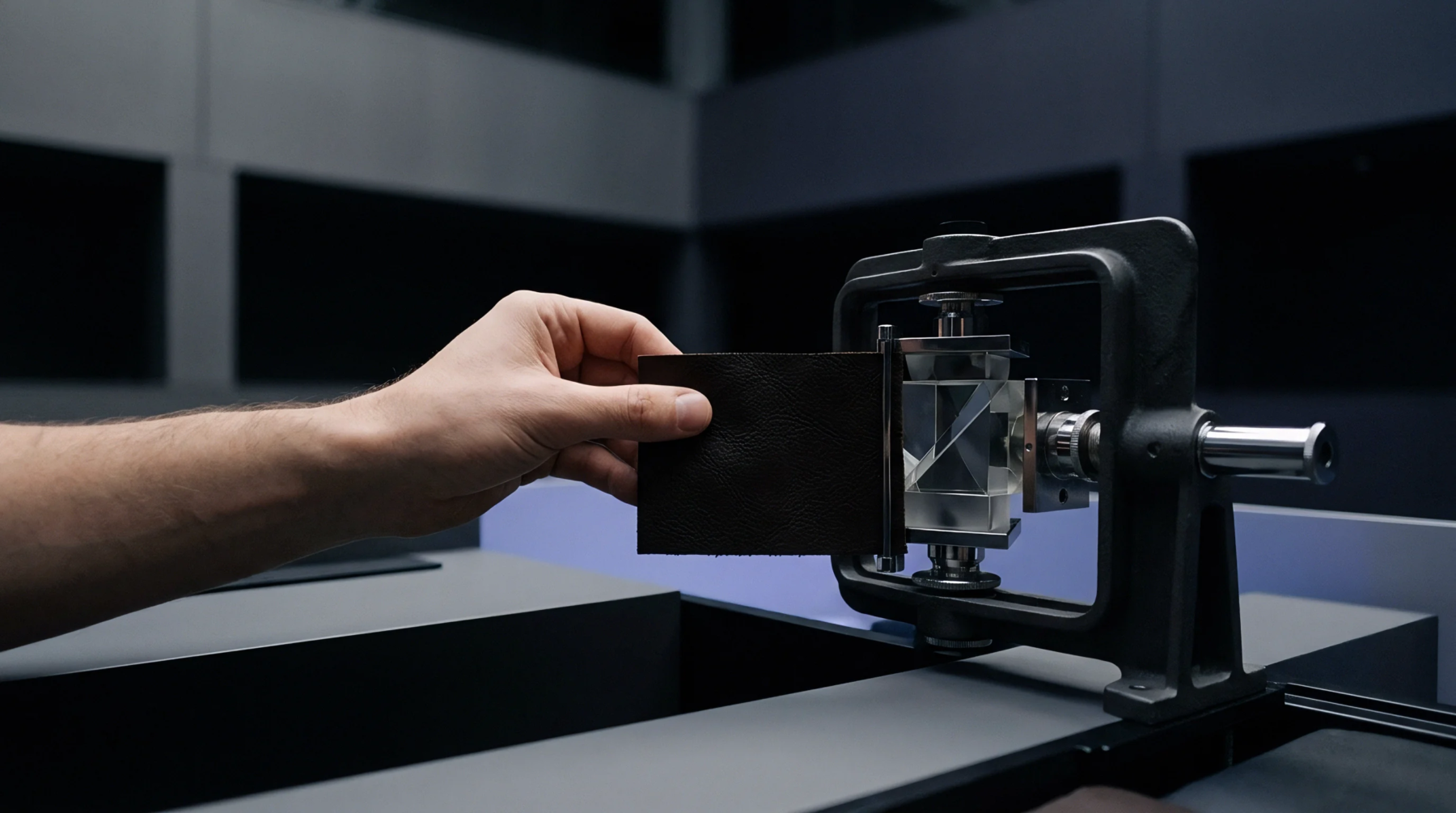
Photometric Chamber
Enclosed reflective chambers engineered to direct infrared radiation from an emitter to a detector establish the defined absorption path length needed for gas concentration measurement. An Ndir optical cavity contains gold plated reflective walls and gas diffusion ports for optical source and detector components. Gas molecules diffuse into the cavity chamber where infrared pulses bounce off inner polished surfaces toward target bandpass filters.
Long optical path lengths inside compact cavity structures increase absorption sensitivity for low concentration gas detection. Structural design isolates the internal optical path from ambient light and dust contamination.
Reflection Degradation
Gold and aluminum wall coatings lose reflectivity when exposed to corrosive industrial gases or condensation. Reduced wall reflectivity lowers total light throughput to the detector, decreasing signal to noise ratios. Protective optical coatings shield reflective surfaces without degrading infrared reflectance.
Pathlength Drift
Thermal expansion alters physical spacing between emitter and detector fixtures within the optical cell. Microscopic changes in cavity length shift the effective optical path, introducing zero drift into concentration calculations. Thermally stable aluminum or ceramic housings limit mechanical deformation across operating temperatures.
Calibration Span
Gas sensor span calibration scales detector output voltages against known target gas concentrations inside the cell. Factory procedures verify pathlength uniformity across production batches before final assembly. Ndir optical cavity designs define measurement sensitivity and baseline stability in optical gas transmitters.