Chamber Architecture
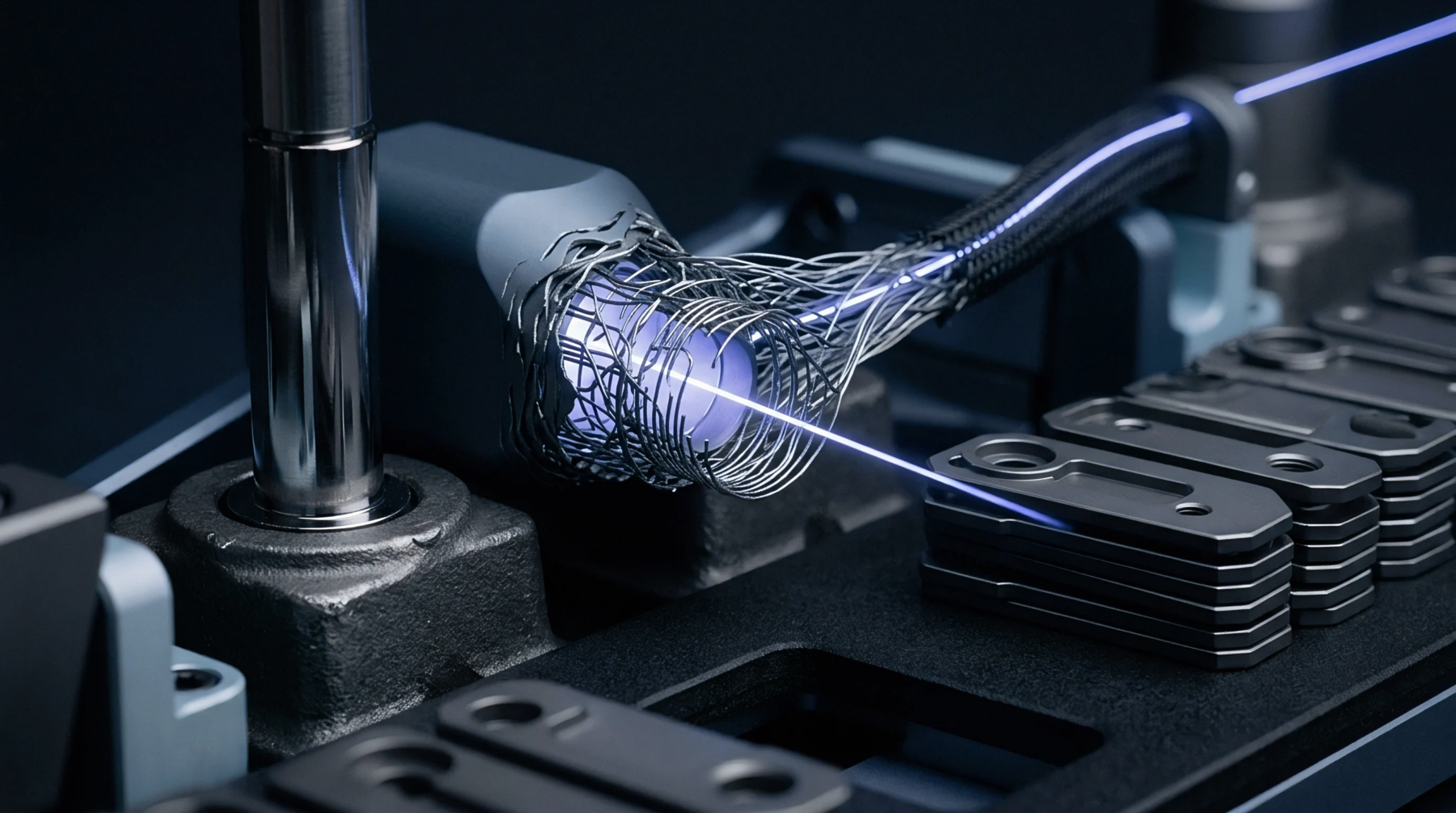
Enclosed space of sub-microliter dimensions houses the sensing element or sample volume in miniaturized transducers. Integrating a micro-volume cavity directly below a sensor diaphragm minimizes the amount of fluid or gas required to achieve a measurable output. This design is common in silicon pressure sensors and gas chromatography detectors, where minimizing dead volume is essential for maintaining system performance.
Response Speed
A small internal volume allows for rapid fluid exchange and reduces the time required for the sensor to reach equilibrium with the process medium. This rapid exchange increases the dynamic response of the sensor, enabling the detection of transient pressure fluctuations or rapid changes in chemical concentration that would be averaged out in larger chambers.
Deflection Behavior
When the diaphragm deflects, the compression of the gas trapped within the cavity can create a pneumatic spring effect that increases the effective stiffness of the sensing element.
Measurement Verification
Metrological characterization of these small structures relies on optical interferometry to measure the internal dimensions and diaphragm deflection with nanometer resolution. During the manufacturing process, a reference pressure is applied to the cavity to verify that the mechanical response matches the simulated design parameters. Any deviation in cavity depth or diaphragm thickness alters the pneumatic spring effect, which is detected during wafer-level testing and used to sort or calibrate the devices before packaging.