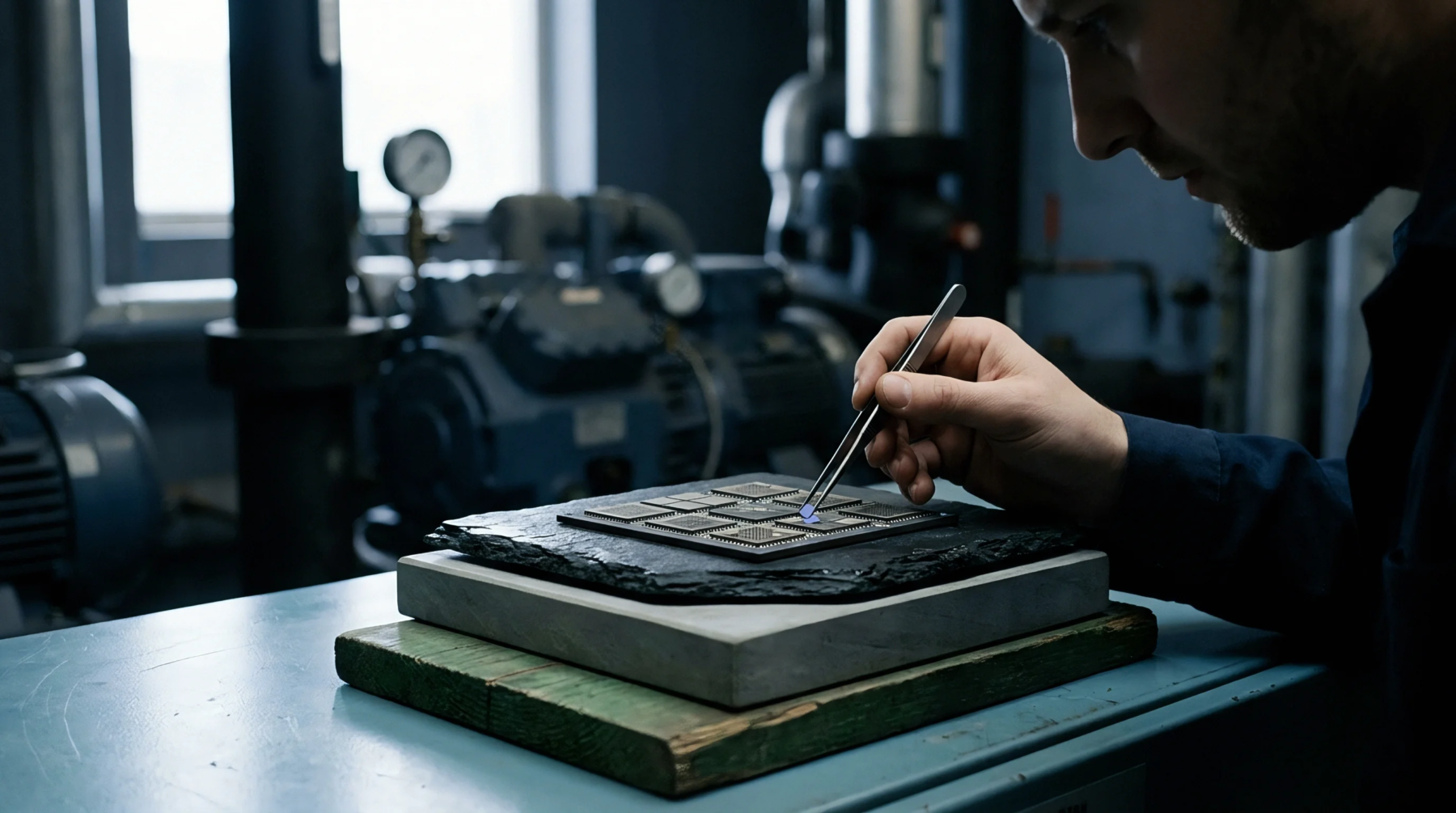
Physical Protection
Hermetic sealing or protective encapsulation guards fragile silicon structures against environmental moisture and mechanical shock. Micro-electromechanical systems packaging isolates these miniature mechanical components from external contaminants while providing the necessary electrical interfaces for signal transmission to external boards. Silicon die integrity requires high thermal conductivity paths to dissipate heat effectively during high-frequency operation.
Structural Integration
Interconnect density dictates the physical footprint of the final assembly. Wire bonding or flip chip mounting connects the active surface of the sensor to the substrate frame. Differential thermal expansion between dissimilar materials causes mechanical strain if coefficients remain unmanaged during temperature cycles.
Calibration Precision
Sensitivity measurements shift when packaging materials exert stress on the underlying silicon membrane or bridge. Validation tests verify that the housing does not induce permanent offsets or baseline drifts during standard operating conditions. High accuracy requirements force designers to select ceramics or polymers with low moisture absorption rates to prevent dielectric constant fluctuations near critical sensing elements.
Reliability Validation
Hermetic integrity testing verifies the long term stability of the seal through helium leak detection. Accelerated life testing regimes expose the completed assembly to extreme temperature gradients to identify fatigue in solder joints or adhesive layers. Stable output signals depend on the ability of the protective layer to prevent oxidation of bond pads.
Reliability hinges on the physical stability of the bond between the sensor and the package base.