Displacement Mechanics
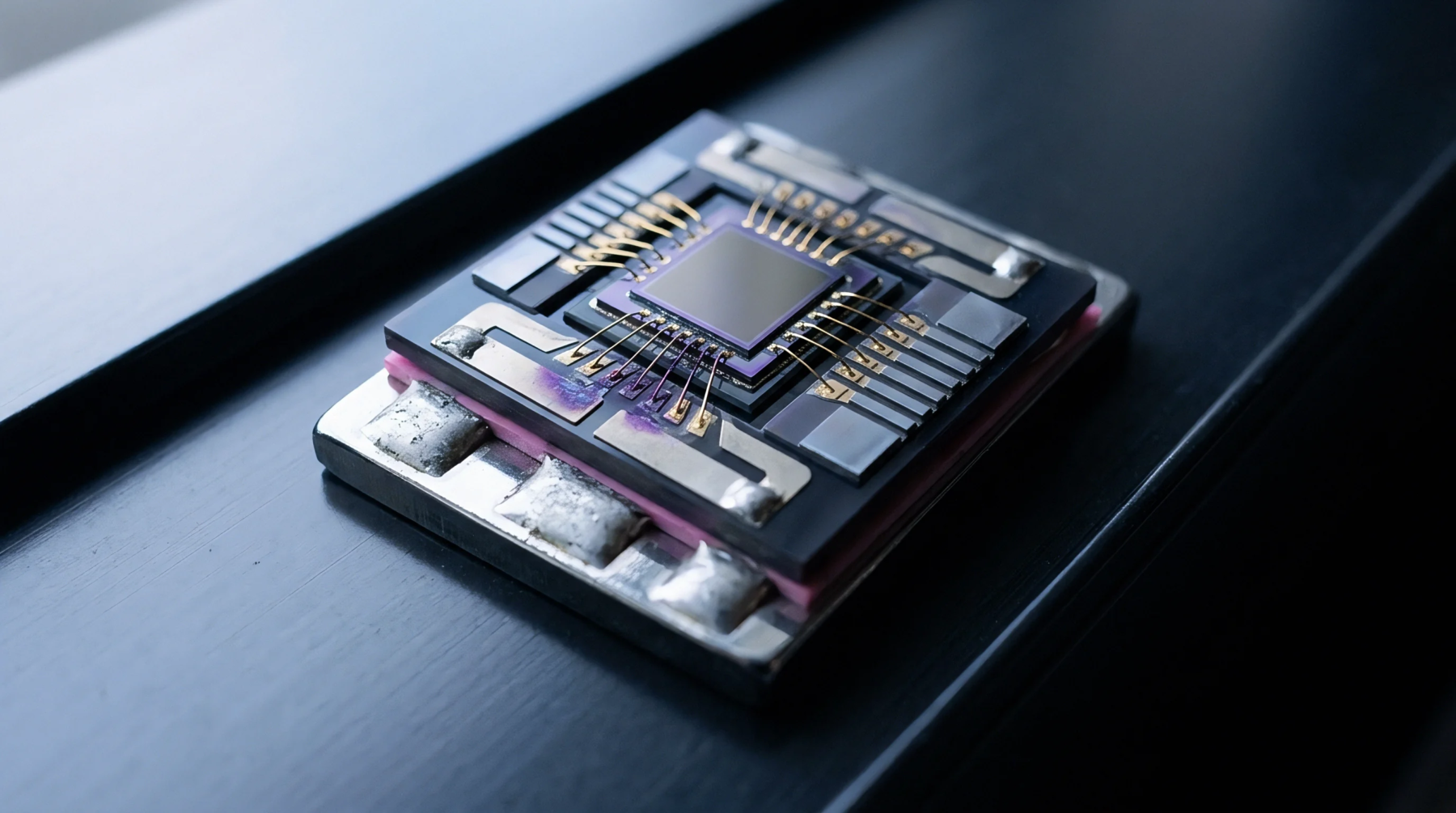
A sensor assembly measures micro displacement slip during continuous structural loading by tracking minute positional shifts along a fixed plane. Strain gauges detect sub-micron movement through changes in electrical resistance caused by physical deformation of a bonded resistive foil. Piezoelectric transducers convert mechanical displacement into a proportional voltage signal, providing high-resolution output for dynamic events.
Thermal expansion of the mounting bracket introduces measurement error unless a compensating reference element stabilizes the bridge circuit.
Calibration Protocol
Factory calibration establishes baseline accuracy by applying known physical offsets using a laser interferometer as the primary standard. Technicians adjust the gain potentiometer until the digital readout matches the reference displacement within an allowed tolerance of zero point five percent. Environmental chambers subject the transducer to cyclical temperature variations during testing to quantify thermal drift coefficients.
Subsequent field recalibration requires a mechanical jig that reproduces the factory mounting geometry without introducing parasitic bending moments.
Signal Conditioning
Analog output passes through a differential amplifier that removes common mode noise picked up over long instrumentation cables. A low-pass filter removes high-frequency electrical interference generated by nearby variable frequency drives. Digitization occurs via a twenty-four-bit analog-to-digital converter that samples the conditioned voltage at ten kilohertz.
Quantization noise remains below the noise floor of the physical sensor element, preserving the integrity of the original measurement.
Operational Drift
Long-term mechanical relaxation of the adhesive bond between the sensor and the structure causes a gradual shift in zero offset over extended deployment periods. Humidity intrusion degrades insulation resistance within the transducer housing, producing erratic signal spikes that mimic genuine displacement events. Periodic zeroing routines remove accumulated static offset errors caused by permanent plastic deformation of the monitored component.
Output voltage stability directly determines the reliability of structural health monitoring systems over multi-year service intervals.